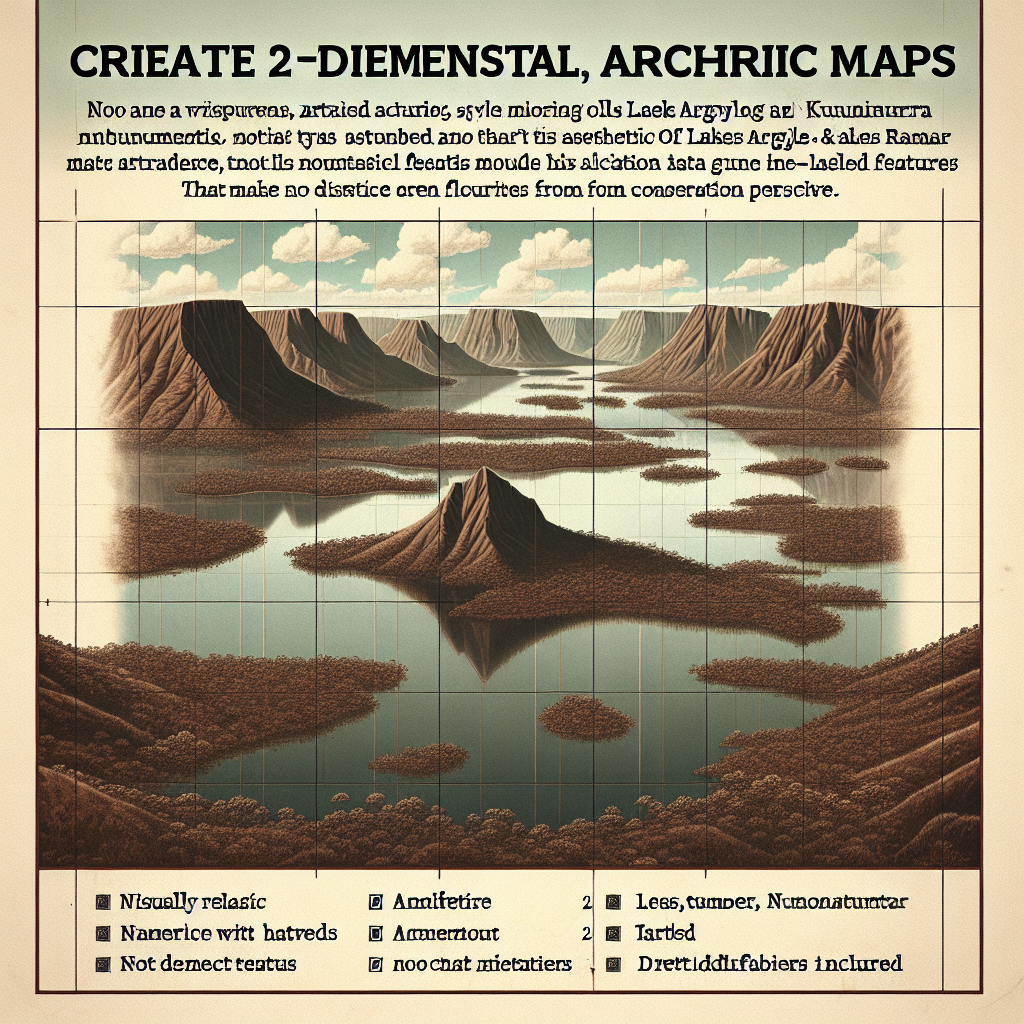

You might think you've seen it all when it comes to nature's wonders, but the Lakes Argyle and Kununurra Ramsar Site in Western Australia might just surprise you. Recognized internationally for ecological significance since June 1990, this sprawling ecosystem near the East Kimberley region serves as a vibrant sanctuary for wildlife, cultural heritage, and those who cherish natural beauty. These lakes came into existence due to the construction of two major dams, creating an oasis that bursts into life as nature intended — wild, diverse, and ever-evolving.
Lakes Argyle and Kununurra have become a safe haven for countless species of plants and animals. If you’re interested in ecosystems that reflect both resilience and harmony with human development, this place tells a beautiful story. The water bodies are massive, with Lake Argyle alone covering approximately 980 square kilometers — a surreal expanse that plays host to thousands of mammals and birds, many of which are endemic or migratory.
The Indigenous Miriwoong people hold a deep connection to these lands, epitomizing the intricate link between traditional custodianship and modern conservation. With much of society still wrestling with historical tensions, acknowledgment and respect for such deep ties is not just restorative but necessary for healing.
Despite its natural splendor and cultural importance, the Ramsar site is not immune to challenges. With climate change impacting rainfall patterns and human activities altering natural habitats, there's a substantial conversation about sustainable development. Yet, every cloud has its silver lining, and ongoing conservation efforts exemplify how diverse voices can unite for a shared cause.
The lakes’ ecological wonder goes hand-in-hand with discussions around responsible tourism. Opening the gates for tourism can spell economic opportunities, but overdevelopment or insufficient management could risk the site's environmental equilibrium. This nuance reflects broader debates on conservation, ownership, and progress. While some see tourism as a principal revenue stream helping fund conservation, others worry about its potential to disrupt the site’s peaceful allure.
Whether you align with prioritizing human economic ventures or safeguarding such pristine ecosystems, the debate is broader than black-and-white distinctions. Looking closer, both sides of the dialogue often hinge on a mutual desire to appreciate and maintain natural marvels such as these.
Humans have always been a curious blend of preservers and destroyers, architects of a fragile but profound balance. While it might be tempting to marvel at these lakes’ eye-catching landscape just from a distance, active participation will better serve their future. Advocacy and inclusion of Aboriginal voices in decision-making are not radical asks but prudent pathways for further action.
As stewards of the environment, we shoulder the responsibility of ensuring the vibrancy of the Lakes Argyle and Kununurra Ramsar Site doesn’t become a mere echo of a forgotten past. Active conservation measures continue to evolve, highlighting how tech and ancient wisdom alike can inform future models of preservation.
The Ramsar site's environmental goliath quietly showcases a juxtaposition between fragility and strength — where water poses both a life-giving force and a contested resource. Here, the dependent flora and fauna, against the backdrop of human history, carve out their narratives in a landscape ever-inviting us to learn from.
Bringing attention to this awe-inspiring locale conveys an obligation that resonates beyond geographic and political confines. As we ponder the possibilities, actions must align with sustaining the brilliance of this invaluable gem, tasked with whispering secrets past and present. We might soon find that ensuring its thriving future demands more than admiration; it requires respect and proactive protection, assertive yet compassionate — reflecting a commitment all generations can champion.