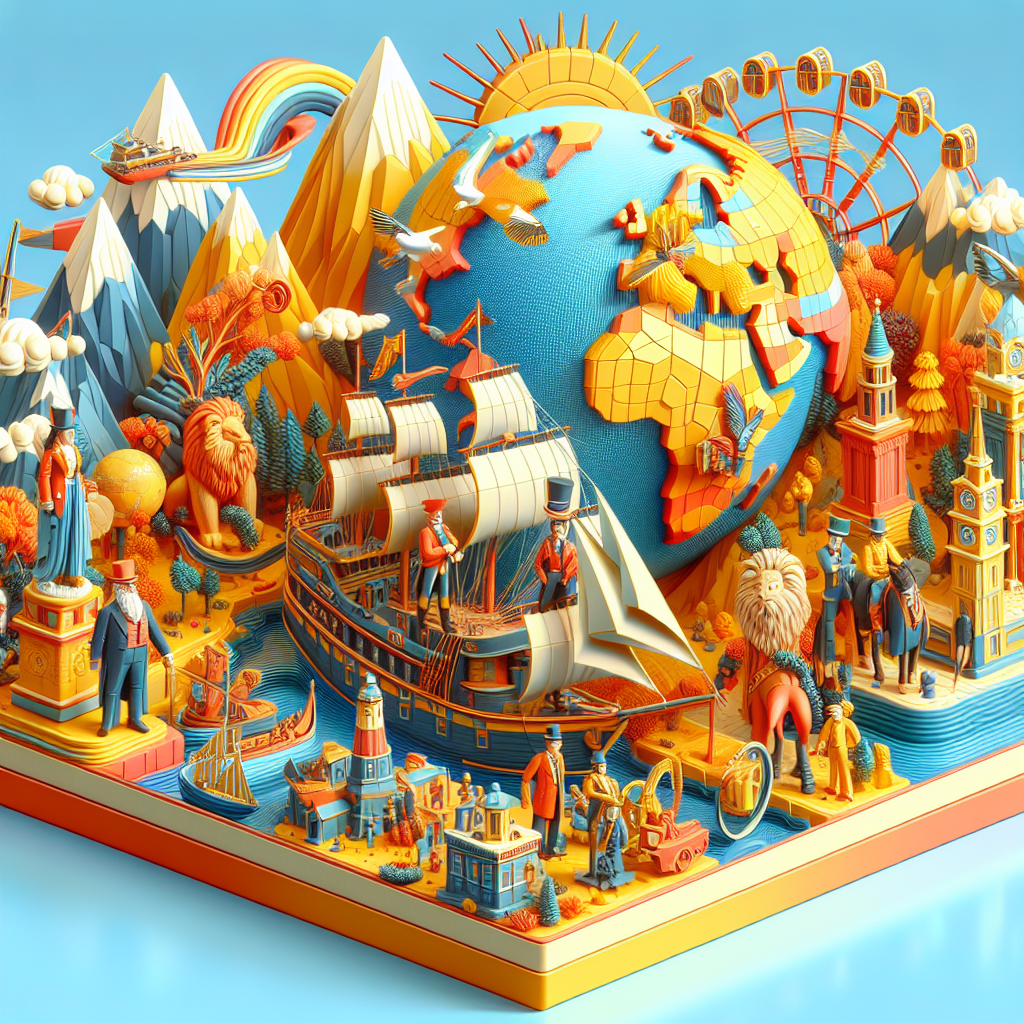

Kalākaua's 1881 World Tour: A Royal Adventure
Imagine a Hawaiian king embarking on a global journey to save his kingdom from the clutches of colonial powers. In 1881, King David Kalākaua of Hawaii set out on a world tour, becoming the first reigning monarch to circumnavigate the globe. His mission was to secure Hawaii's independence and establish international relationships that would benefit his people. This remarkable journey took him to places like Japan, China, India, Egypt, and Europe, where he met with leaders and dignitaries, hoping to forge alliances and promote Hawaiian culture.
Kalākaua's tour was not just a diplomatic mission; it was a bold statement of Hawaii's sovereignty. At a time when Western powers were expanding their empires, Hawaii was at risk of being swallowed up. The king's journey was a strategic move to assert Hawaii's place on the world stage and to seek support from other nations. He believed that by showcasing Hawaii's unique culture and establishing personal relationships with other leaders, he could protect his kingdom from foreign domination.
The king's travels were filled with both triumphs and challenges. In Japan, he was warmly received by Emperor Meiji, and the two leaders discussed potential immigration agreements that would benefit both nations. In China, Kalākaua was fascinated by the rich history and culture, and he sought to strengthen ties with the Chinese government. His visit to India was marked by a deep appreciation for the country's spiritual heritage, and he was inspired by the resilience of its people.
In Europe, Kalākaua met with several monarchs and heads of state, including Queen Victoria of the United Kingdom and Pope Leo XIII. These meetings were crucial in raising awareness about Hawaii's plight and in garnering support for its independence. The king's charm and charisma won him many admirers, and he was able to secure promises of friendship and cooperation from various nations.
However, not everyone was supportive of Kalākaua's efforts. Some critics in Hawaii viewed the tour as an extravagant waste of resources, arguing that the king should focus on domestic issues instead. They were concerned about the growing influence of American and European interests in Hawaii and feared that the king's absence would leave the kingdom vulnerable. Despite these criticisms, Kalākaua remained steadfast in his belief that international diplomacy was essential for Hawaii's survival.
Kalākaua's world tour was a groundbreaking endeavor that highlighted the importance of cultural exchange and diplomacy. It demonstrated that even a small island nation could have a voice on the global stage. The king's journey was a testament to his dedication to his people and his vision for a prosperous and independent Hawaii.
While the tour did not immediately result in the political alliances Kalākaua had hoped for, it laid the groundwork for future diplomatic efforts. It also helped to raise awareness about Hawaii's unique culture and its struggles against colonialism. The king's legacy lives on as a reminder of the power of diplomacy and the importance of standing up for one's beliefs.
Kalākaua's 1881 world tour was more than just a royal adventure; it was a courageous attempt to secure a future for Hawaii in a rapidly changing world. His journey serves as an inspiration for those who believe in the power of diplomacy and cultural exchange to bring about positive change.