
The Ancient Game of Jeu de Mail: A Historical Curiosity
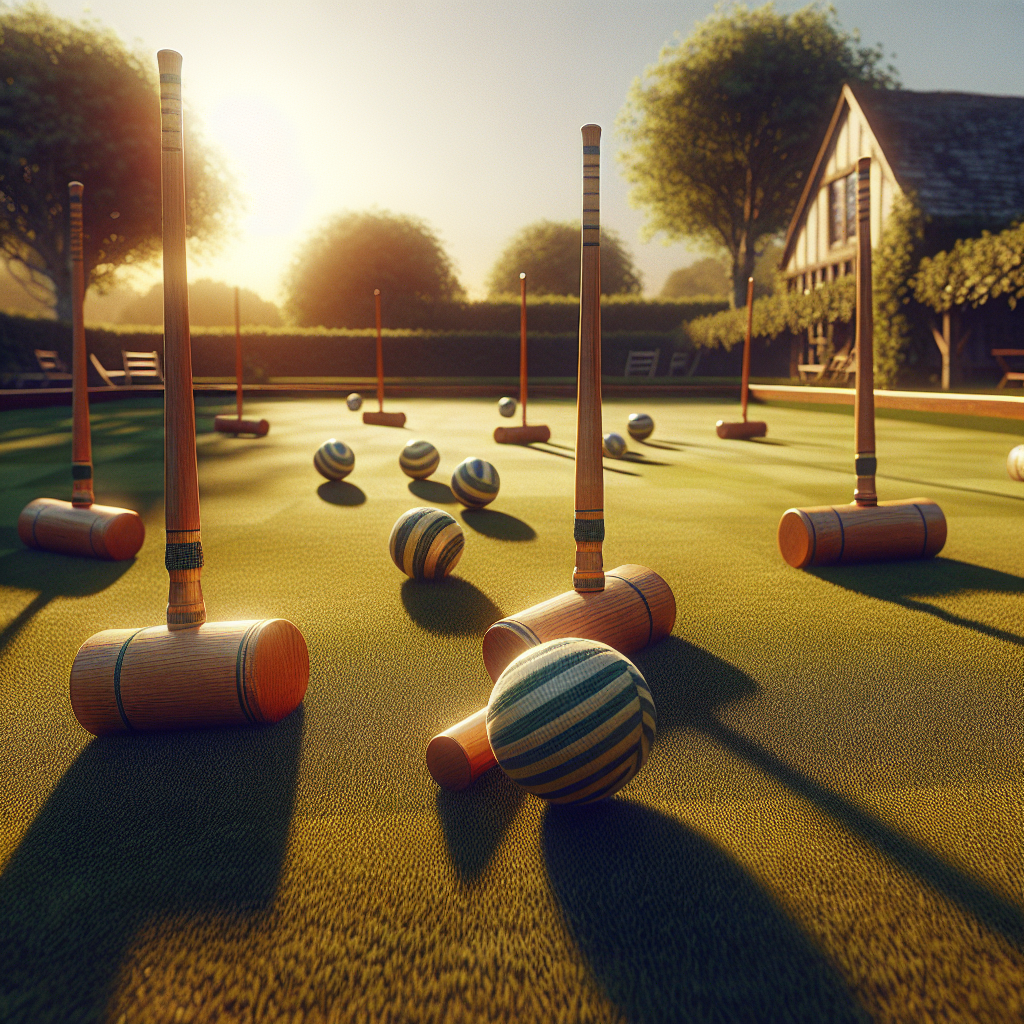
Imagine a game that combines the precision of golf, the strategy of croquet, and the unpredictability of medieval life. This is Jeu de Mail, a sport that was all the rage in Europe from the 15th to the 17th century. Originating in France, this game was played in long alleys or open fields, where players used a mallet to strike a wooden ball through a series of hoops or towards a distant goal. It was a pastime for both the nobility and common folk, offering a rare opportunity for different social classes to mingle. The game was particularly popular in France and Italy, but it also found its way to England, where it influenced the development of modern sports like croquet and golf.
Jeu de Mail was more than just a game; it was a social event. People gathered not only to play but also to watch, socialize, and even gamble on the outcomes. The game required skill, patience, and a keen eye, as players had to navigate the ball through various obstacles. It was a test of both physical and mental prowess, making it a favorite among those who enjoyed a challenge. The game was often played in public spaces, which made it accessible to a wide audience and allowed for a communal experience.
Despite its popularity, Jeu de Mail eventually fell out of favor. The reasons for its decline are varied. Some suggest that the game was too time-consuming, while others believe that the rise of other sports, such as tennis and cricket, overshadowed it. Additionally, the urbanization of Europe meant that there was less open space available for such games. As cities grew, the large alleys and fields required for Jeu de Mail became scarce, leading to its gradual disappearance from the public eye.
However, the legacy of Jeu de Mail lives on. Its influence can be seen in modern sports that require similar skills and strategies. Golf, for instance, shares the concept of striking a ball towards a distant target, while croquet involves navigating a ball through hoops. These games have evolved over time, but they owe a debt to the ancient pastime of Jeu de Mail. The game also serves as a reminder of a time when sports were not just about competition but also about community and social interaction.
Understanding the history of Jeu de Mail offers insight into how sports have evolved and how they reflect the societies in which they are played. It highlights the importance of leisure activities in bringing people together and fostering a sense of community. While the game itself may no longer be played, its spirit lives on in the sports and social gatherings of today.
In a world where technology often isolates us, the communal aspect of Jeu de Mail is something worth remembering. It reminds us of the joy of coming together, of playing not just to win but to connect with others. As we continue to develop new games and sports, perhaps we can take a page from the past and focus on the social and communal aspects that make them truly enjoyable.