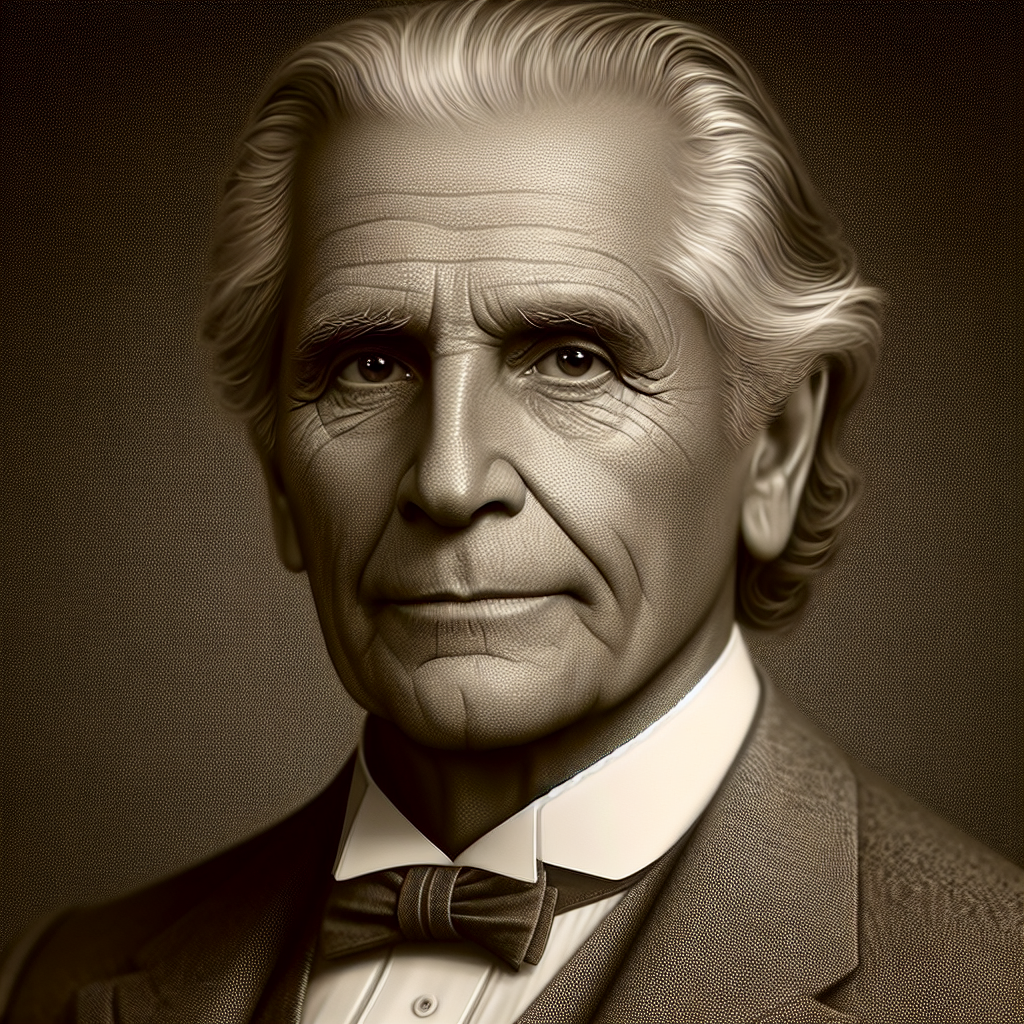

Imagine living in a time when your voice, dreams, and aspirations for your country lay stifled under political constraints and foreign rule. Janko Drašković was a man who relentlessly pursued a vision for Croatia's cultural and political resurrection during the turbulent 19th century. Born in 1770 in Zagreb, the capital of what was then a Habsburg province, he embodied the spirit of a revolutionary thinker. Drašković's contributions, primarily through his political manifesto 'Disertacija,' published in 1832, laid the groundwork for shaping a Croatian national consciousness amid the region's systemic suppression.
Drašković grew up in a period overshadowed by significant European upheavals, as Napoleonic wars reshuffled borders and forged uneasy alliances. His upbringing in a noble yet progressively marginalized family exposed him to the complexities of national identity and the thirst for self-governance. Over the years, the Serbian majority within the Habsburg Monarchy often diluted Croatian cultural and political voices. Yet, the winds of liberalism that swept through Europe inspired Drašković to dream of a unified and autonomous Croatian nation, driving him to become a pivotal figure in the Illyrian movement.
The Illyrian movement, known as a cultural pan-Slavist movement, sought to establish a cohesive identity for the South Slavs under the banner of increased linguistic and cultural unity. Drašković believed that by harnessing cultural pride, political change would naturally follow. His writings played a vital role in shifting the narrative from Croatian grievances to aspirational goals for a sovereign state. His 'Disertacija' was a call to arms, not only against external oppression but also against internal apathy and disunity.
In 'Disertacija,' Drašković bravely proposed a radical restructuring of the Monarchy’s arrangement, advocating for political autonomy and unity amongst the Croatian lands. His ideas included tax reform, administrative independence, and the promotion of the Croatian language. Such propositions weren't merely academic musings but reflections of the prevalent discontent and nationalistic fervor among Croatians who saw a future where their culture flourished unshackled by foreign dominance.
Though Drašković's ideas were disruptive, they did encounter resistance within and outside the Croatian community. Critics from within worried that his stance was too aggressive in its demands, potentially provoking harsh responses from Vienna and alienating non-Croatian communities within the region. Conversely, advocates for broader Habsburg integration saw his separatist ideas as too risky, especially amidst the rising tides of nationalism across Europe.
Despite the opposition, Drašković's endearing charisma and compelling vision inspired many young intellectuals and future leaders. His ability to articulate a shared cultural and political identity helped galvanize the Croatian population. Under his influence, the movement gained traction, acting as a precursor to more decisive political expressions in future decades.
His leadership serves as a reminder that the path to sovereignty and cultural renaissance is often met with skepticism and fear, both internally and externally. Not all of his visions came to fruition during his lifetime, but his ability to unite and motivate people left a lasting impact. As much as the Habsburg authorities sought to retain control, the seeds of national identity had already been sown, leading eventually to Croatia finding its place as a distinct voice in European historical narratives.
Today, when Croatia stands as an independent country within the European Union, it is not merely the picturesque Adriatic coastline or vibrant cities that define its identity. It is the historical tapestry woven by visionaries like Janko Drašković that continues to inspire future generations. His legacy teaches us the importance of cultural pride and political advocacy, uplifting collective identity in the face of adversity. His story resonates across generations and demographics, reminding us of the enduring power of visionary thinking in shaping not just nations, but also inclusive, empathetic societies.