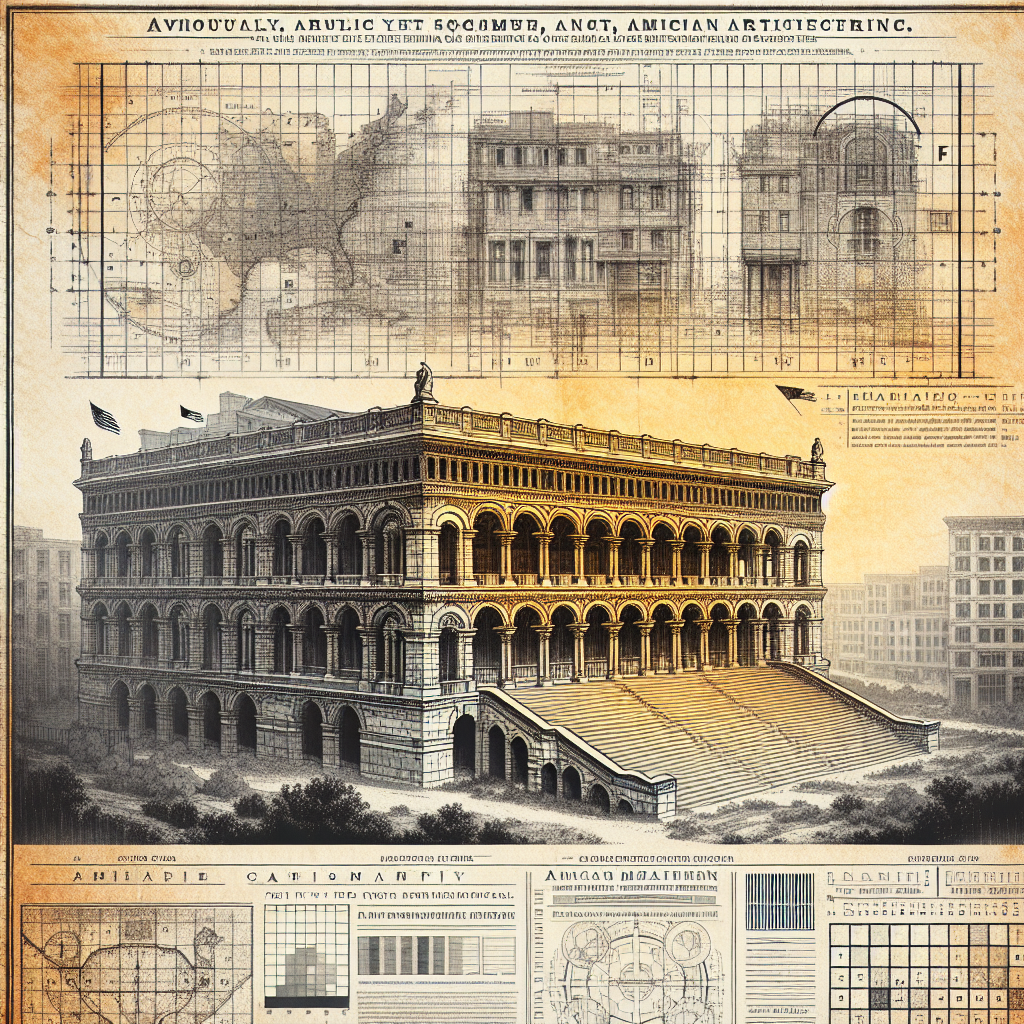

Imagine walking through the bustling streets of Chicago with the ghostly echoes of grand performances and raucous cheers emanating from a location that once stood proud and vibrant. This was the International Amphitheatre, a venue filled with history, politics, and entertainment that made indelible marks on the cultural canvas of the United States. Established in 1934 and situated near the Union Stock Yards in Chicago, it was initially built to host livestock shows. Over the years, it evolved into a pivotal stage for various events that catered to a vast swath of interests and ideologies.
The amphitheatre wasn't just a rudimentary venue for shows; it was a symbol of progression, diversity, and sometimes, controversy. Known for hosting the tumultuous 1968 Democratic National Convention, it became etched in the annals of American politics amid a time of social upheaval and transformation. During this convention, political tensions exploded, highlighting divisions over Vietnam, civil rights, and liberal policies. For some, it represented a platform for breaking societal norms heading towards change. For others, it was a symbol of chaos and social disorder. The amphitheatre thus reflects the broader tapestry of American political and cultural shifts during the mid-20th century.
People flocked to the International Amphitheatre not only for political events but also for entertainment that transcended generational boundaries. It hosted legendary bands and artists such as The Beatles and Elvis Presley, making it a cornerstone for music enthusiasts who craved the infectious energy of live performances. This venue vibrated with a rock n' roll pulse that attracted young crowds eager to watch their idols perform. Through its decades of operation, the amphitheatre was a pivotal part of the tour circuits for numerous artists who would later become icons.
But the allure of the amphitheatre was multifaceted. Intriguingly, it also served as an arena for rodeos, circuses, and sports events, ushering in audiences with contrasting interests. The space adapted to host wrestling matches, professional basketball, and roller derbies, showcasing its versatile capacity to serve as an epicenter of entertainment and sports. Each event brought together diverse communities, proving that despite differing tastes, a shared hunger for performance could unite people across spectrums.
While the amphitheatre is defunct today, its impact continues to be felt by both nostalgia-filled residents and historians intent on preserving its legacy. Its demolition in 1999 to make way for new development reflected not only a loss to local history but also an opportunity for dialogue about urban progress, gentrification, and the erasure of community landmarks. The arguments about economic revitalization versus historical preservation were prevalent then, much like they are today, as cities grapple with retaining their history amidst rapid growth.
From one perspective, the amphitheatre’s closing was seen as unfortunate, a result of modern development eclipsing historical and cultural spaces. The affordable housing and businesses that replaced it were deemed necessary for addressing urban density, yet its disappearance marked a tangible loss for cultural purists and those reminiscing about the legendary performances and personal memories seeded there. Conversely, the new developments were seen by others as a pragmatic step towards addressing the city's evolving needs.
Even so, the International Amphitheatre embodies a story of evolution where art, politics, and society intersect. As Chicago continues to morph into a global metropolis, the amphitheatre remains a subject of fascination for Gen Z and history buffs alike, standing as a testament to the city's ever-changing, yet eternally charismatic, soul. Despite its physical absence, the spirit of the amphitheatre echoes in those who appreciate how it encapsulated an era of vivid cultural, social, and political change.
The International Amphitheatre may no longer exist, but its legacy endures. It reminds us of an energetic past filled with debates, rock music, and stories that have shaped, and continue to shape, urban lifestyles around the world. As cities redefine themselves, perhaps they can carry forward the essence of what the amphitheatre represented: an inclusive stage that welcomed the voices of its time, celebrated diversity of thought, and served as a witness to history itself.