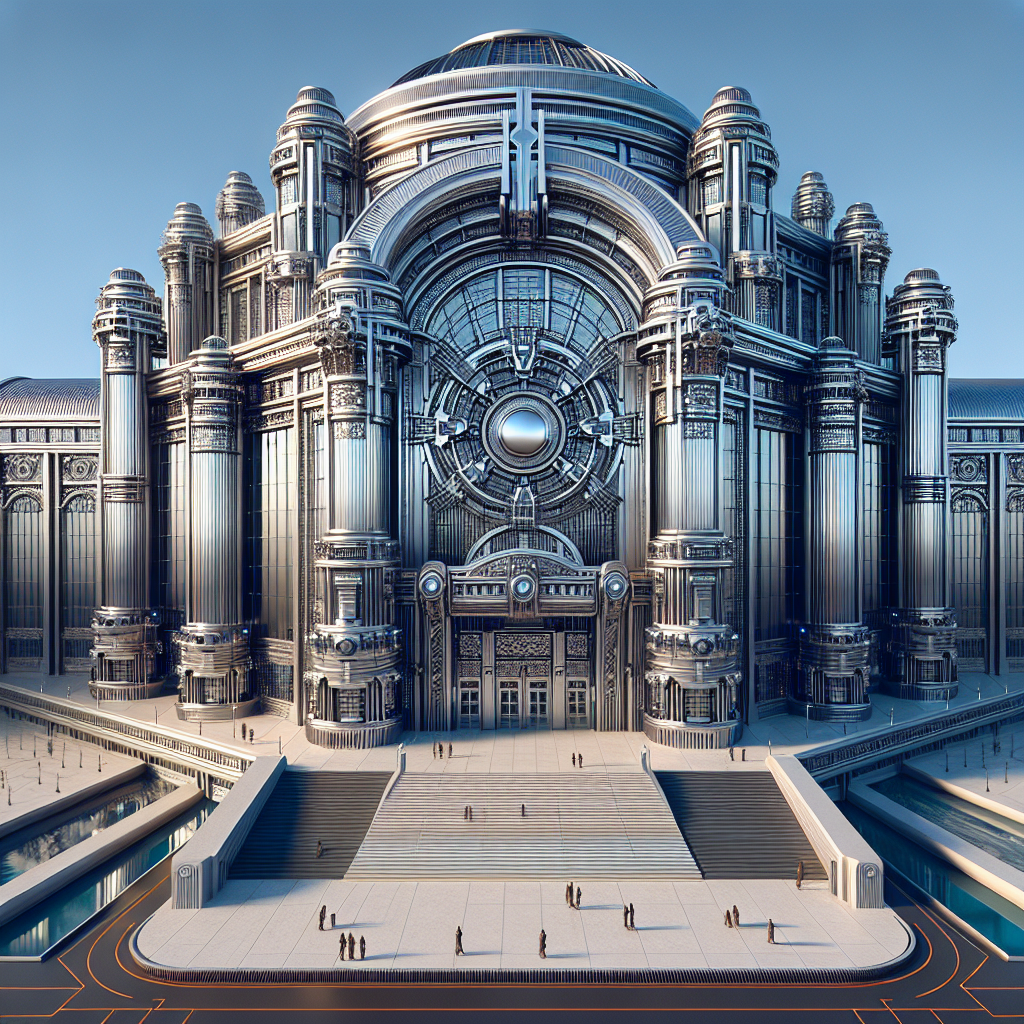

Picture the 19th century in the bustling heart of Boston—a city stirring with innovation, at the convergence of tradition and modernization. During this period, the Industrial Exposition Building emerged as a symbol of a revolutionary era. Constructed in 1881, sited in the hub of Boston’s Back Bay area, it became a hallmark of the city’s industrial prowess and a repository for the cutting-edge advancements of its time. The building's primary purpose was clear: to showcase the might of American industry, bringing together inventors and entrepreneurs, enthusiasts, and the merely curious. It was a physical testament to the nation’s transformative spirit.
The Industrial Exposition Building was awe-inspiringly massive. Its architecture mirrored the grand aspirations of its creators, encapsulating both Gothic and Renaissance revival styles. It was not just the size but the intricacy of the design, with elaborate facades and opulent interiors that drew crowds, creating a venue as much a work of art as the objects it exhibited. The sheer grandeur of the building symbolized a time when America was swelling with pride about its future.
Yet, beyond its impressive façade, the building was more than just a static hall; it was a vibrant hub of activity. Inside, visitors found displays of technological wonders of the age—sewing machines, steam engines, and even early telephones. Each exhibit was a testament to the ingenuity and industriousness that powered the Industrial Revolution. These showcases were not just idle curiosities but innovative creations shaping the fabric of everyday life.
However, like many endeavors of its scale, the Industrial Exposition Building was not without its share of challenges and critics. While many celebrated the building as a beacon of progress, some viewed it as a superficial monument, masking deeper societal issues. They argued that while the building touted industrial success, it was set against a backdrop of social inequality—a glaring gap between the affluent elites who headed the business world and the working classes whose labor underpinned it.
On the other hand, defenders of the building highlighted its role in democratizing knowledge and promoting innovation. They argued that having a centralized space to display and disseminate industrial advancements enabled greater access to the benefits of progress across different strata. In their view, it stood as a forum where the workforce and inventors, both esteemed and emerging, could converse and inspire one another towards new breakthroughs.
Yet, as the turn of the century approached, so did changing tides. Cities evolved, and with them, the focus and infrastructure needs. The once bustling exposition gradually became a relic of the past, eclipsed by new forms of entertainment and education.
By 1934, the Industrial Exposition Building was demolished, with only memories remaining of its once looming stature in Boston’s skyline. Its demolition signified more than just the loss of a physical structure; it marked the close of an era and the fleeting nature of human-made marvels. Today, its story prompts us to consider what parts of our current built environment will become echoes of our age.
For younger generations who place emphasis on sustainability and equality, the tale of the Industrial Exposition Building also poses essential questions. It challenges us to think about how we balance innovation with ethically and equitably addressing the broader social picture. What we choose to build or dismantle reveals much about our values.
In the end, the story of the Industrial Exposition Building serves as a reminder of both the grandeur of human creativity and the ephemeral nature of our achievements. Observing its history allows us to appreciate where we have come from and inspire us to imagine what could be next.