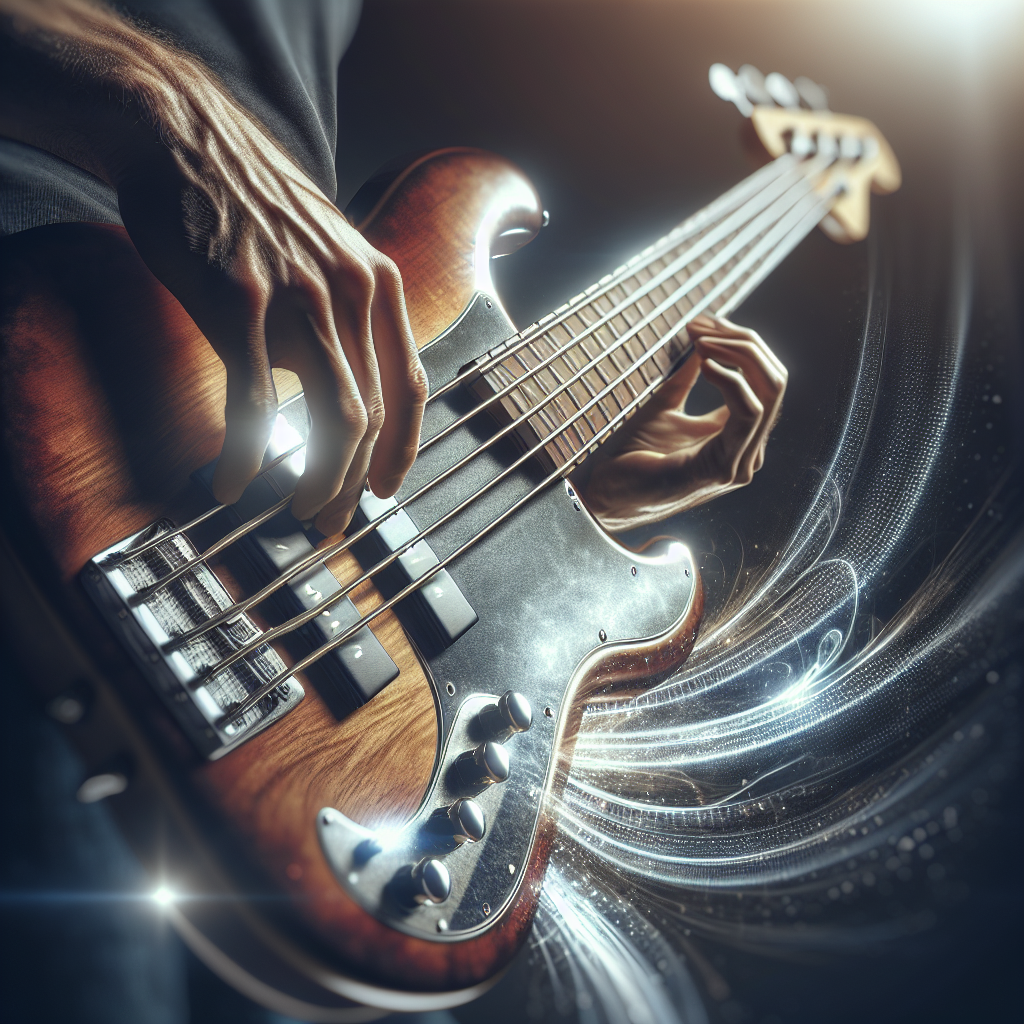

The Power of Loud Bass: A Cultural Phenomenon
Imagine a world where the thumping rhythm of a bass guitar can unite people across generations and cultures. This is the world of loud bass, a musical phenomenon that has been shaking the foundations of music since the 1950s. The bass guitar, an instrument that provides the backbone to many musical genres, has become a symbol of rebellion, creativity, and unity. From the streets of New York to the beaches of California, the sound of a loud bass has been a constant presence in the evolution of music. But why has this instrument, and the volume at which it is played, become so significant?
The bass guitar first gained prominence in the 1950s and 60s, with the rise of rock and roll. Musicians like Paul McCartney of The Beatles and John Entwistle of The Who brought the bass to the forefront, showcasing its potential to drive a song's rhythm and energy. The loud bass became a staple in genres like funk, punk, and hip-hop, each using the instrument to convey different emotions and messages. The bass's deep, resonant sound can evoke feelings of power and intensity, making it a favorite among musicians and listeners alike.
For many, playing the bass loud is an act of self-expression. It allows musicians to break free from the constraints of traditional music and explore new sounds and styles. The loud bass can be a form of protest, a way to challenge societal norms and push boundaries. It can also be a way to connect with others, as the vibrations of a loud bass can be felt as much as heard, creating a shared experience among listeners. This sense of connection is especially important in today's world, where people often feel isolated and disconnected.
However, not everyone is a fan of loud bass. Critics argue that it can be disruptive and even harmful, causing noise pollution and hearing damage. Some people find the sound overwhelming and prefer music with a softer, more melodic tone. It's important to acknowledge these concerns and find a balance between enjoying the power of loud bass and respecting others' preferences. Musicians and venues can take steps to minimize the negative impact of loud bass, such as using soundproofing and providing ear protection for concertgoers.
Despite these challenges, the appeal of loud bass remains strong. It continues to be a driving force in music, inspiring new generations of musicians and fans. The bass guitar's ability to adapt to different genres and styles ensures its place in the future of music. As technology advances, musicians have more tools than ever to experiment with the sound of the bass, pushing the boundaries of what is possible.
The cultural significance of loud bass cannot be overstated. It represents a fusion of art, technology, and human emotion, bringing people together in a shared appreciation of music. Whether you're a musician or a listener, the power of loud bass is undeniable. It has the ability to move us, both physically and emotionally, and to create a sense of unity in a world that often feels divided. So, the next time you hear the thumping rhythm of a bass guitar, take a moment to appreciate the cultural phenomenon it represents.