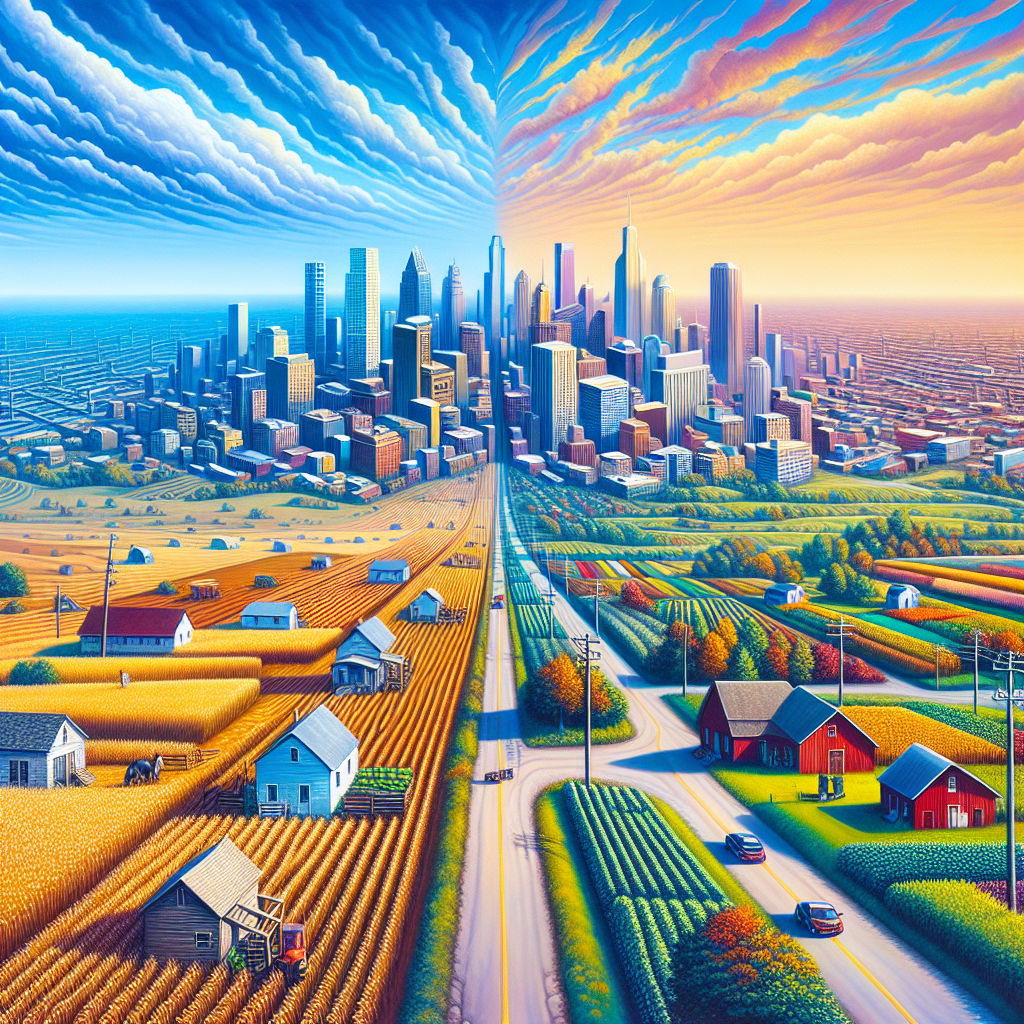

I'm Just a Country Boy: The Rural-Urban Divide in Modern America
Picture this: a young man in a cowboy hat, boots caked with mud, standing in the middle of a sprawling field, gazing at the horizon. This image might conjure up the quintessential "country boy," a symbol of rural America. But who is this country boy, and what does he represent in today's society? In the United States, the rural-urban divide has become a significant topic of discussion, especially in the political arena. This divide is not just about geography; it's about culture, values, and the way of life. The "country boy" often embodies the rural perspective, which can sometimes clash with urban viewpoints. This clash has been particularly evident in recent years, as political and social issues have highlighted the differences between these two worlds.
The rural-urban divide is not a new phenomenon. Historically, rural areas have been associated with agriculture, open spaces, and a slower pace of life, while urban areas are seen as centers of industry, innovation, and diversity. However, the gap between these two has widened in recent decades, fueled by economic changes, technological advancements, and shifting demographics. Rural areas have faced challenges such as declining populations, limited access to healthcare and education, and economic stagnation. Meanwhile, cities have become hubs of opportunity, attracting young people with promises of jobs, culture, and connectivity.
Politically, this divide has manifested in voting patterns and policy preferences. Rural areas tend to lean conservative, valuing tradition, self-reliance, and skepticism of government intervention. Urban areas, on the other hand, often support progressive policies, emphasizing diversity, social justice, and environmental sustainability. This polarization has been evident in recent elections, where rural voters have played a crucial role in shaping outcomes. The 2016 and 2020 presidential elections, for example, highlighted the stark contrast between rural and urban voting trends.
It's essential to understand that the rural-urban divide is not just about politics. It's about identity and belonging. For many in rural areas, their way of life is deeply tied to their sense of self. The land, the community, and the traditions are integral to who they are. This connection can sometimes lead to resistance to change, especially when it feels imposed by outside forces. Urban dwellers, on the other hand, might view rural areas as resistant to progress or out of touch with modern realities. This misunderstanding can breed resentment on both sides.
Empathy and dialogue are crucial in bridging this divide. It's important to recognize that both rural and urban areas have unique strengths and challenges. Rural communities often have strong social ties, a deep connection to nature, and a rich cultural heritage. Urban areas offer diversity, innovation, and economic opportunities. By acknowledging these differences and finding common ground, we can work towards solutions that benefit everyone.
One way to bridge the gap is through policy that addresses the needs of both rural and urban communities. This could include investing in rural infrastructure, such as broadband internet, to connect these areas to the digital economy. It could also mean supporting urban initiatives that promote sustainability and inclusivity. By finding ways to support each other, we can create a more cohesive society.
The rural-urban divide is a complex issue with no easy answers. However, by understanding the perspectives of both the "country boy" and the city dweller, we can begin to build bridges. It's about finding common values and working together towards a future that respects and includes everyone, regardless of where they call home.