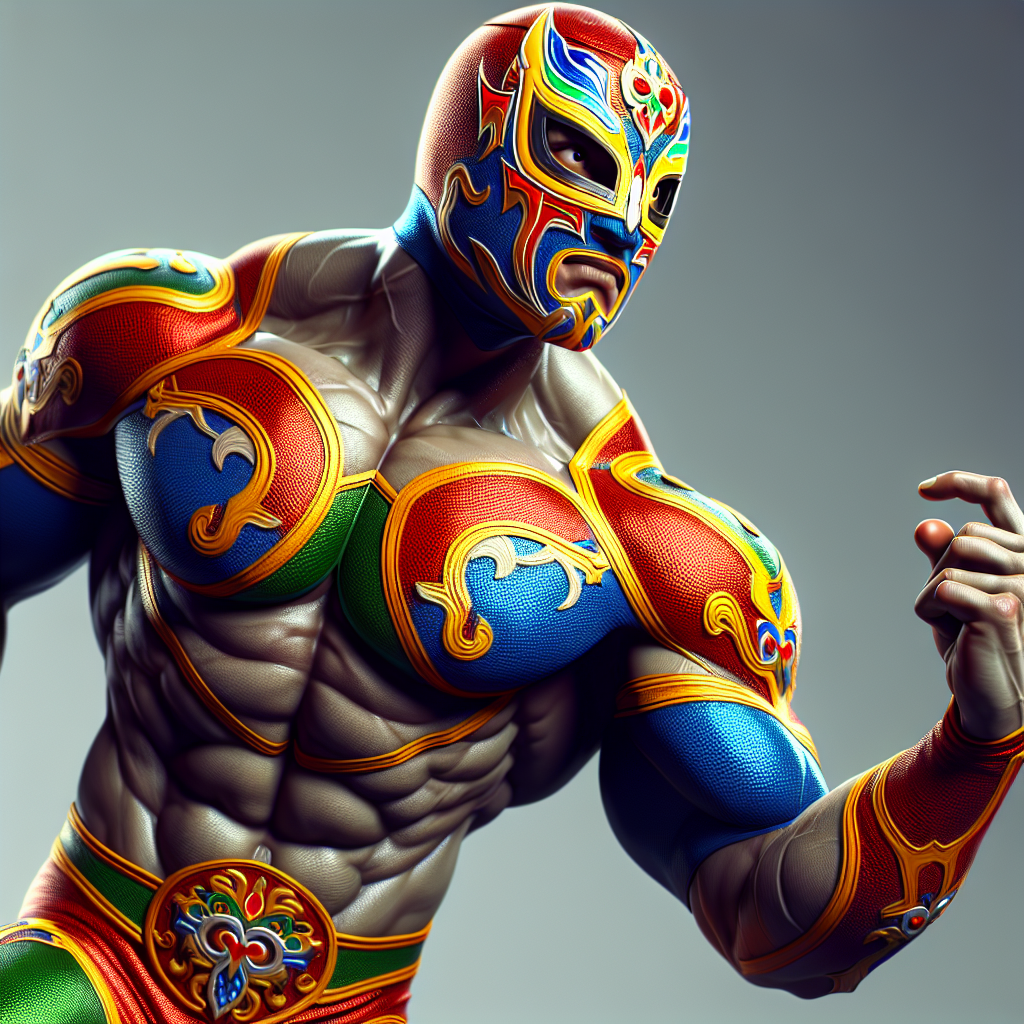

The Legacy of Huracán Ramírez: A Lucha Libre Legend
In the vibrant world of lucha libre, few names resonate as powerfully as Huracán Ramírez. This iconic figure, whose real name was Daniel García Arteaga, became a symbol of Mexican wrestling's colorful and dramatic flair. Emerging in the 1950s, Huracán Ramírez captivated audiences with his high-flying moves and charismatic presence. He performed primarily in Mexico, where lucha libre is not just a sport but a cultural phenomenon. The character of Huracán Ramírez was initially created for a 1952 film, but García Arteaga brought him to life in the ring, embodying the spirit of a true luchador. His legacy endures because he represented the underdog, a hero who fought against the odds, resonating with fans who saw their struggles reflected in his battles.
Lucha libre, with its unique blend of athleticism and theatricality, has always been more than just entertainment in Mexico. It is a cultural staple, a form of expression that reflects the country's social dynamics. Huracán Ramírez, with his distinctive blue and white mask, became a beloved figure in this world. His matches were not just about physical prowess but also about storytelling. Each bout was a narrative of good versus evil, with Huracán often playing the role of the noble hero. His signature move, the "Huracánrana," a headscissors takedown, became a staple in wrestling, influencing generations of wrestlers worldwide.
The character of Huracán Ramírez was initially portrayed by Eduardo Bonada in the film "Huracán Ramírez," but it was García Arteaga who took the character to new heights in the wrestling ring. This transition from screen to ring was not just a career move but a cultural moment. It blurred the lines between fiction and reality, allowing fans to engage with their hero in a tangible way. García Arteaga's dedication to the character was evident in his performances, which were marked by a combination of technical skill and showmanship.
While Huracán Ramírez was a hero to many, it's important to acknowledge the broader context of lucha libre. The sport has often been criticized for its portrayal of stereotypes and its sometimes violent nature. Critics argue that it can perpetuate negative images and reinforce harmful narratives. However, supporters of lucha libre see it as a form of escapism, a way for people to experience catharsis through the battles of their favorite luchadores. Huracán Ramírez, with his positive image and heroic persona, offered a counter-narrative to these criticisms, showing that lucha libre could also be a force for good.
The impact of Huracán Ramírez extends beyond the wrestling ring. He became a cultural icon, inspiring music, art, and even fashion. His mask, a symbol of mystery and identity, has been adopted by fans and artists alike. It represents not just the character but the idea of lucha libre as a space where anyone can be a hero. This democratizing aspect of lucha libre is part of its enduring appeal, allowing people from all walks of life to see themselves in the stories told in the ring.
Huracán Ramírez's influence is still felt today, as new generations of wrestlers continue to draw inspiration from his legacy. His story is a reminder of the power of sports and entertainment to transcend boundaries and bring people together. In a world that often feels divided, the story of Huracán Ramírez offers a glimpse of unity, where the lines between reality and fantasy blur, and where heroes can emerge from the most unexpected places.