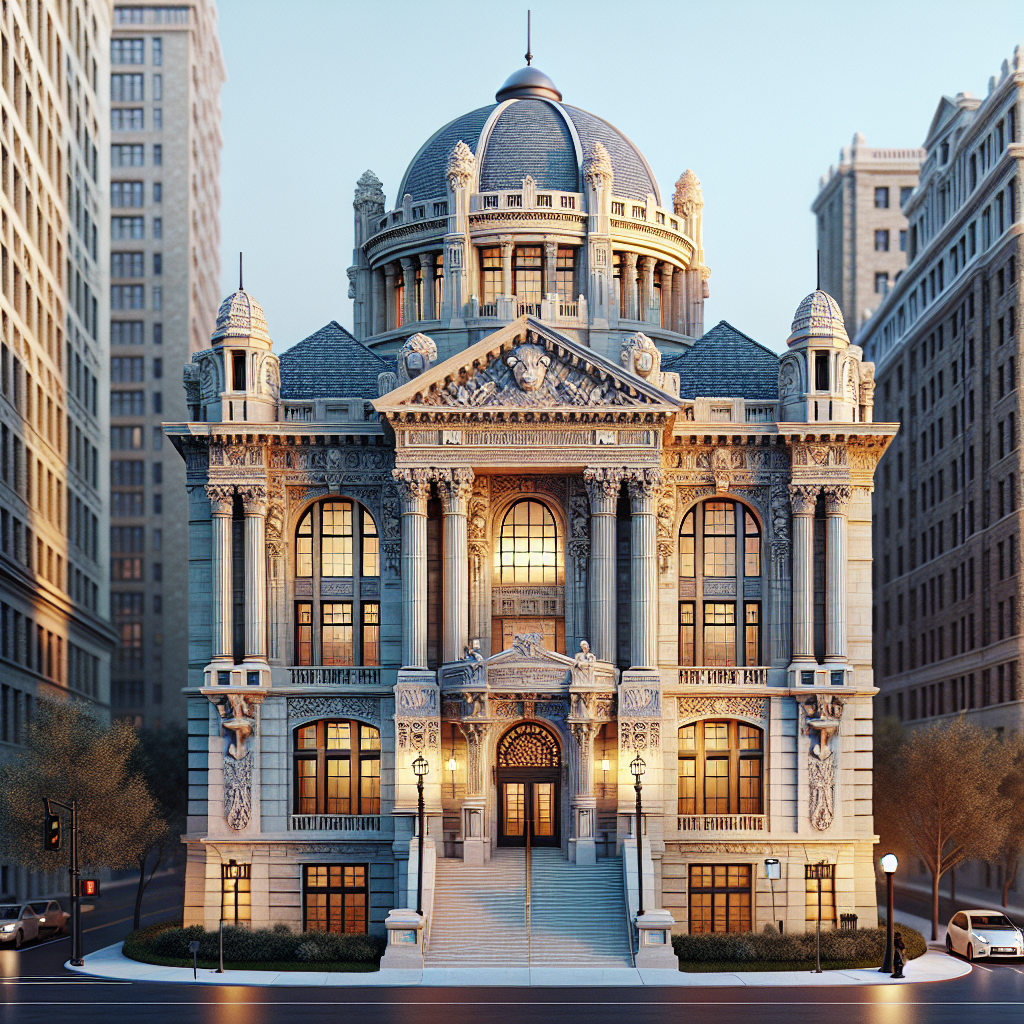

Nestled in the scenic surroundings of York County, South Carolina, Hightower Hall has a charisma that could charm a stone gargoyle. This historic estate, originally built in 1855 by John Bratton Jr., is not just an architectural gem that captures the antebellum South's essence; it's also a cultural touchstone. Located in the sprawling Brattonsville Historic District, Hightower Hall serves as a physical reminder of a labor-intensive past—a past that encompassed both architectural elegance and the complexities of antebellum society, including slavery. Why should you care about a mansion in the middle of South Carolina? Because places like Hightower Hall link us to our history, for better or worse, and provoke conversations that are important for younger generations engaging in today's society.
The architecture of Hightower Hall is striking, resembling the Italianate style that was popular in America during the mid-19th century. With its tall, narrow windows and imposing facades, the estate looks as if it was lifted straight out of a European catalog. It might seem strange to find such high-minded architecture in the American South, but these eclectic architectural choices reflected the ambitions of planters like Bratton who wanted to project power and sophistication. Such architectural bravado continues to captivate those who visit, sparking questions about how tastes in design convey social standing and influence. Even for those who might initially overlook architecture as a ponderous field, there's something captivating about seeing how societal values are physically constructed.
Visiting Hightower Hall, you might find yourself standing in awe at the craftsmanship of a bygone era. Yet, it is crucial to remember the labor dynamics that allowed such luxurious estates to flourish. The estate was a product of slave labor, echoing a tragic legacy that complicates its beauty. This isn't merely a 'both sides' argument but rather an acknowledgment of a multifaceted truth. The elegance of Hightower Hall can't be separated from the human cost at which it was built, making it a location of both aesthetic admiration and painful recollection.
As much as we critique or celebrate such historical landmarks, they also play a dynamic role in modern society. Imagine the potential of Hightower Hall, not just as a museum piece frozen in time, but as a living part of the community. It is an educational venue where school tours take place, enlightening young minds about the intertwined stories of architecture, agriculture, and social justice. It is also a site for community gatherings and even weddings, making it a versatile space that continues to serve, albeit in different ways than originally intended. The adaptation of historic venues into functional spaces in contemporary society brings satisfaction in seeing old structures renewed for modern times.
Whenever you dive into history, there's always the risk of romanticizing or, conversely, demonizing the past. Standing at the center of Hightower Hall, it's powerful to think about transformative cultural shifts. In today's America, steeped in conversations about inclusivity and historical reckoning, places like these allow younger generations to grapple with the country's complex past. No longer can we afford to isolate history as something that happened 'back then'. It's alive, visible in buildings like Hightower Hall, and integral to our ongoing journey toward equality and justice.
Some argue that maintaining such estates can be seen as a glorification of an oppressive past. It's a fair point, and the conversation about whether to preserve, renovate, or dismantle historical structures is ongoing. However, dismantling can erase memory just as much as immortalizing history can preserve injustice. The work often lies in recontextualizing these sites, aiming to educate rather than glorify. Hightower Hall, like many historical structures, should stand as a testament to the resiliency of people who lived through trying times, be they African slaves, poor farmers, or women who fought for rights in a male-dominated world.
To a Gen Z reader, Hightower Hall represents a tapestry of conflicting narratives. The architectural beauty is undeniable, but it's also a relic that carries the weight of social injustices. It becomes an invitation to engage critically with history, challenging comforting myths in favor of something more nuanced. If you're wondering how to approach such complexity, maybe think of it like an engaging historical novel that keeps you turning the pages. It’s imperfect and sometimes enraging, but ultimately rewarding as it unveils layers you didn't know existed.
Engaging with places like Hightower Hall offers real-world lessons in empathy, history, and critical thinking. They remind us that the stories we read about resistance, power dynamics, and change, don’t just live in textbooks but within the very walls of these imposing edifices. Next time you ponder the relevance of a seemingly obscure historical site, consider that it's a catalyst for dialogue—a setting where past and present meet to shape a collective future.