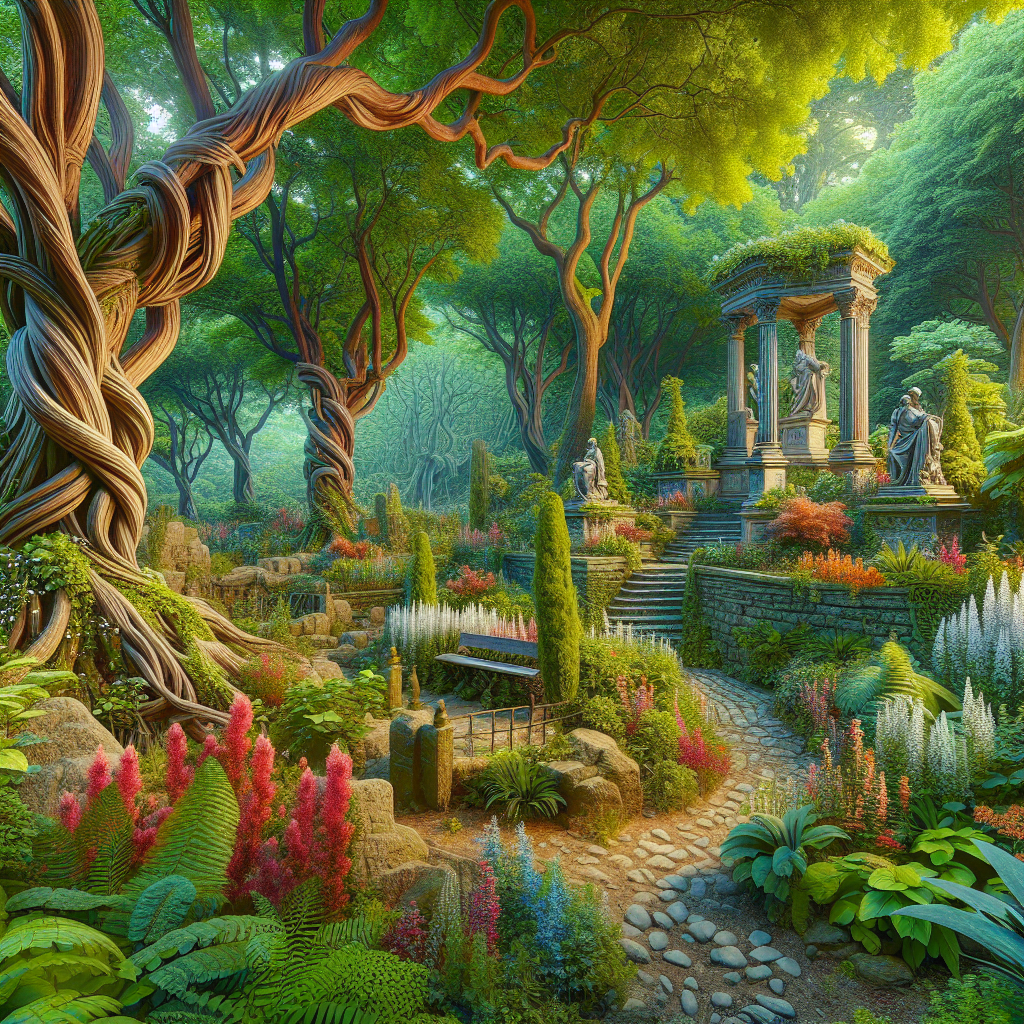

The Enchanting Hevsel Gardens: A Tale of Nature and History
Imagine a place where history and nature intertwine so seamlessly that it feels like stepping into a living painting. The Hevsel Gardens, located in the ancient city of Diyarbakır in southeastern Turkey, offer just that. These gardens have been a vital part of the region's landscape for over 8,000 years, serving as a lush green belt between the city and the Tigris River. The Hevsel Gardens are not just a testament to the ingenuity of ancient agricultural practices but also a symbol of the harmonious relationship between humans and nature.
The Hevsel Gardens have been recognized as a UNESCO World Heritage Site since 2015, highlighting their global significance. This recognition is not just for their beauty but also for their historical importance. The gardens have been a source of sustenance and inspiration for countless generations, providing food, water, and a sense of peace to the people of Diyarbakır. The gardens are a living example of how humans can cultivate the land while preserving its natural beauty.
The gardens are home to a diverse range of flora and fauna, making them a haven for nature lovers and researchers alike. The rich soil and favorable climate have allowed a variety of plants to thrive, from fruit trees to vegetables and herbs. This biodiversity is crucial for maintaining the ecological balance of the region and provides a unique opportunity for scientific study.
However, the Hevsel Gardens are not just about nature. They are deeply intertwined with the cultural and historical fabric of Diyarbakır. The city itself is one of the oldest continuously inhabited places in the world, with a history that dates back to the Hittites, Assyrians, and Romans. The gardens have witnessed the rise and fall of empires, serving as a silent witness to the passage of time.
Despite their historical and ecological significance, the Hevsel Gardens face numerous challenges. Urbanization, pollution, and climate change threaten their existence. The expansion of Diyarbakır has put pressure on the gardens, leading to concerns about their preservation. Efforts are being made to protect this precious site, but it requires a collective effort from local authorities, environmentalists, and the global community.
There are those who argue that development is necessary for the progress of the region. They believe that urban expansion can bring economic benefits and improve living standards. However, it is essential to find a balance between development and conservation. The Hevsel Gardens are not just a local treasure; they are a part of our shared human heritage. Preserving them is crucial for future generations to understand and appreciate the delicate relationship between humans and nature.
The Hevsel Gardens serve as a reminder of the importance of sustainable practices. They show us that it is possible to live in harmony with nature, even in a rapidly changing world. By protecting these gardens, we are not only preserving a piece of history but also ensuring a sustainable future for the region and the planet.
In a world where natural spaces are increasingly under threat, the Hevsel Gardens stand as a beacon of hope. They remind us of the beauty and resilience of nature and the importance of preserving it for future generations. As we continue to face environmental challenges, the story of the Hevsel Gardens serves as an inspiration for us all to work towards a more sustainable and harmonious world.