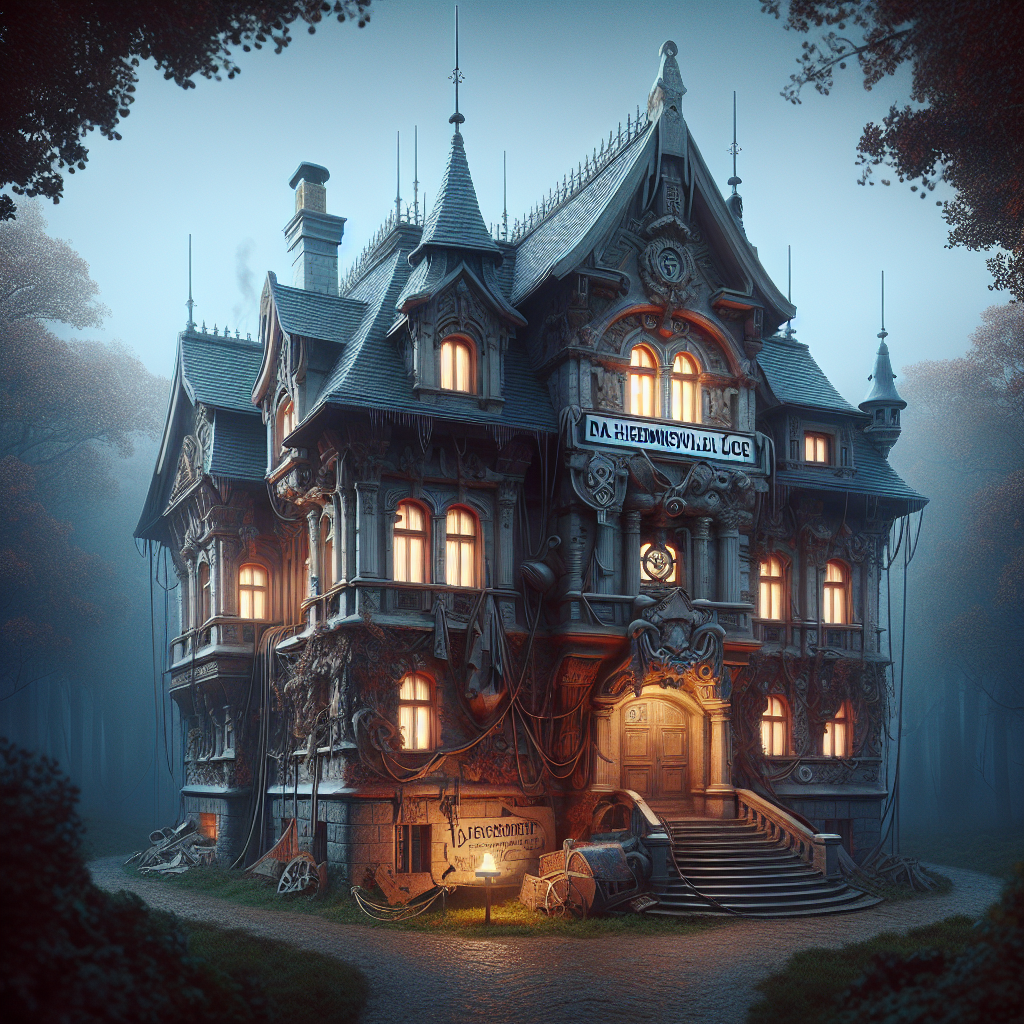

When it comes to music that rolls like an avalanche, rattles your eardrums, and dances provocatively in the fringes of avant-garde, Einstürzende Neubauten’s "Haus der Lüge" tops the list. Released in 1989, amidst a whirlwind political climate, this groundbreaking album by the German industrial rock band was nothing short of a response to their world. It echoed the crumbling facades of Eastern European politics, notably during the final throes of the Berlin Wall, and greeted the tumbling structures with a sonorous recklessness. Here, in West Berlin, a city humming with the psychic tension of division and change, this musical project was not just an album, but a bold statement wrapped in clanging metal and wailing vocals.
"Haus der Lüge" (translated as "House of Lies") creates a sonic architecture that feels as if it’s perpetually under construction. Its political undertones reflect the band’s yearning for raw truth amidst perceived societal hypocrisies. Neubauten, led by the enigmatic Blixa Bargeld, crafts its compositions using whatever detritus they can find, turning discarded materials into instruments of rebellion. It's a soundscape that’s abrasive, yet poetic, juxtaposing noisy experimentalism with moments of tense melodicism.
The album opens with explosive intensity. The tracks themselves are chapters of disillusionment and discovery, fusing noise with rhythms that seem to mimic the heartbeats of dissent. There’s an element of danger in its unpredictability, a sense of confrontation that might seem chaotic yet possesses method in its madness. One could call it an industrial symphony, where the orchestra is made up of sledgehammers and chains, creating melodies of resistance.
It's crucial to understand the cultural and historical tapestry "Haus der Lüge" is woven into. The late 1980s were pivotal for Germany, with East and West Berlin serving as polar stages of political discourse. The Cold War’s influence was palpable, and Neubauten’s music was anything but impartial. It was an aggressive protest against oppression, a fiery denunciation of the so-called 'norms'—while also acknowledging the human penchant for constructing and believing in 'houses of lies'.
The album is not only a product of its time but an introspection that transcends its era. It's an exploration into how societies construct grand narratives and how those narratives sometimes falter. There's rawness, yes, but also a sophistication in how they foresee the unraveling of these constructions. As an artist, Neubauten isn't just tearing down walls but offering a path beyond the rubble—albeit one that asks more questions than it provides answers.
The overwhelming use of non-traditional instruments stands as a metaphor in "Haus der Lüge". The clangor of metal echoes the mechanistic rigidity of the industrial age, which Neubauten seemed eager to critique. It’s a reflection on modernity, touching on environmental issues, human exploitation of resources, and the ever-pressing quest for authenticity amidst artifice—a theme alarmingly relevant to the contemporary discourse.
For listeners from Gen Z, caught in the wounds of climate change dialogs, technological surveillance, and socio-political upheavals, the album resonates deeply. It’s an album that invites you to witness discomfort, understanding that true comfort only comes after shaking the status quo. While the industrial genre might feel foreign to some, the thematic resolve of "Haus der Lüge" echoes the present's urgency to confront facades and dismantle unjust systems.
While appreciating "Haus der Lüge", it’s equally crucial to understand opposing viewpoints. Critics argue the abrasive style could alienate mainstream audiences. The layered sounds might feel impenetrable, demanding more than a passive listen — a challenge for those preferring clarity. There's a debate around whether its abstract nature truly communicates any political agenda or simply revels in chaos. Such criticism paves the way for dialogue concerning the efficacy of confronting authority through art and whether abstraction can drive change.
The album's tactile nature means it is not universally accessible. It compels, disturbs, and provokes—all intentional, yet not always welcome. Such is the paradox of avant-garde art: it flies over the heads of some while simultaneously touching others deeply with its haunting presence.
In the end, "Haus der Lüge" prescribes no easy solutions but through its clamor and discord, it provides space for reflection. The dissonance calls on us to challenge what we accept blindly, encouraging inquiry over convenience. It’s an invitation to engage actively and redefine what's possible when art refuses to conform.