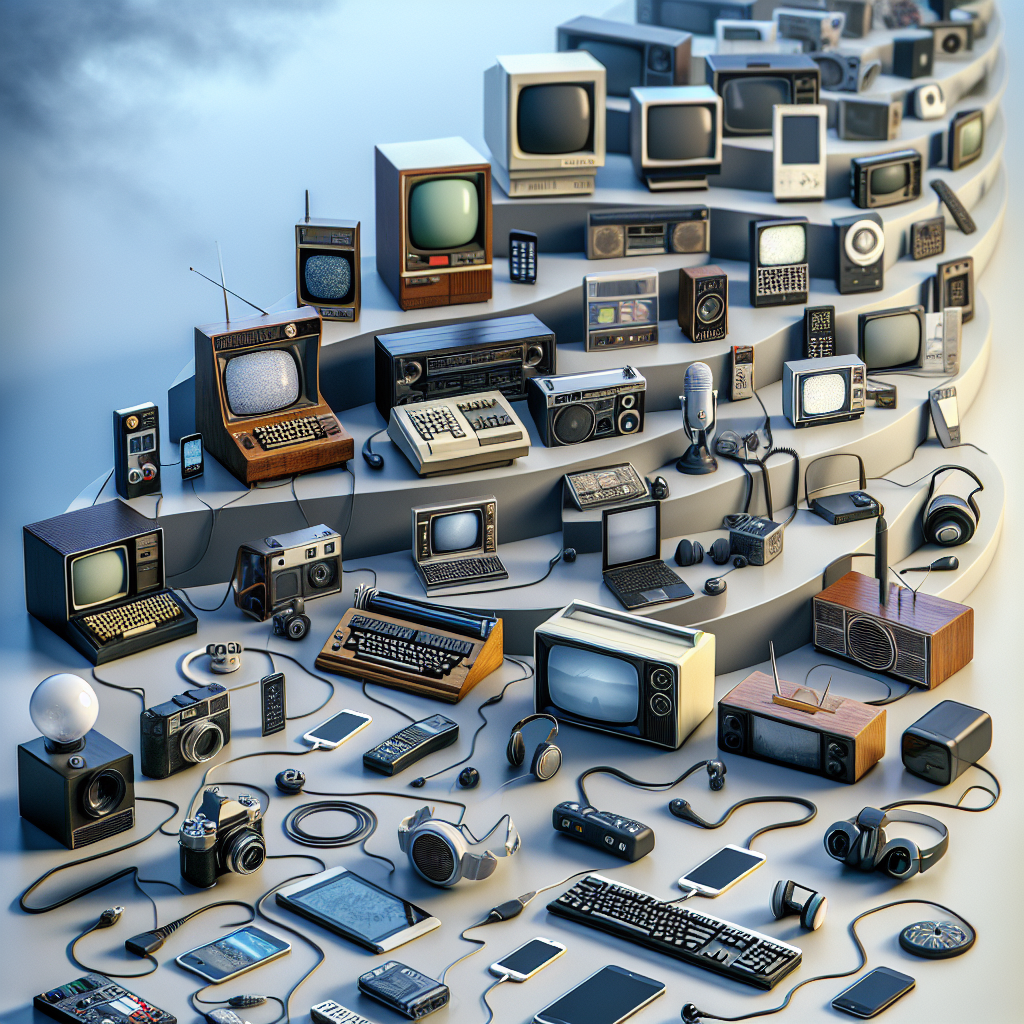

Fifty years might sound like an eternity to someone just starting out in life, yet here I am, a cultural traveler through half a hundred years, sharing the bizarre mix of change and consistency that defines this timeline. It's significant not only because of what half a century encapsulates but for the vast transformations witnessed globally over the last five decades. In an era where technology and political landscapes shape our daily lives, understanding these evolved contexts is as necessary as breathing fresh air.
In the '70s, bell-bottoms swayed with disco beats blaring from burgeoning audio tech. The social fabric began to shift towards inclusivity, although slowly, with movements for gender equality and racial justice taking root. Meanwhile, Cold War tensions simmered beneath political ceremonies as the world danced on a delicate balance between peace and hostility.
Fast forward to the '80s, when shoulder pads defined style, and economic reform echoed through cities. This period witnessed innovative technology's birth pains with the world economy on a rollercoaster. The bipartisan political landscape was vibrant with debates on welfare systems and international relations. While Western culture flourished, many nations fought against oppressive regimes, sowing the seeds of future revolutions.
The '90s burst with cultural revolutions and technological awakenings. Grunge reigned in music, and globalization started to reconfigure interactions. Economic shifts began laying the groundwork for diverse economies; however, wealth gaps widened. Political systems started reflecting growing pains of evolving societies – from Europe to Asia, governments were redefining themselves in making promises of democracy and prosperity.
As the calendar flipped into the new millennium, the world teetered at the edge of unprecedented change. The internet, once a novelty, was transforming lifestyles and workplaces, accelerating globalization at speeds unimaginable in previous eras. Political and economic institutions reeled with adapting to increasing demands for transparency and responsiveness. Activism became more widespread and accessible, thanks to digital platforms.
Into the 2010s, high-speed internet became ubiquitous, altering the way people interacted and engaged with the world. Movements such as 'Me Too' and 'Black Lives Matter' showcased progress while exposing societal rifts. Economically, the lingering effects of the 2008 financial crisis called for reevaluations of capitalism and inequality. Institutions struggled between maintaining stability and addressing progressive demands. Climate change became a rallying cry, urging for better policies globally.
As we stand here in 2023, the echoes of these decades resonate stronger than ever. In this era, characterized by formidable challenges like digitization and climate change, the political, social, and economic legacies of the past fifty years guide our steps. Digital natives from Gen Z grapple with issues different yet similar to their predecessors: battling misinformation, fighting for sustainability, and craving authenticity amidst all the noise.
It’s essential to acknowledge that perspectives vary widely over such a significant time span. While some hail technological revolutions as the harbinger of empowerment and change, others voice concerns over privacy, mental health, and the influence of tech giants. Politically, the spectrum ranges from revolutionary fervor to a cautious desire for incremental change. Herein lies the beauty of history and its lessons: the opportunity for dialogue and understanding across generations.
Ultimately, reflecting on half a century isn't about nostalgia or mere recollections of the past. It's a collective memory that teaches us to adapt, to empathize with opposing views, and to move forward with informed optimism. Strides in equality or technology should not overshadow persistent systemic issues that need addressing. It’s crucial that we seize this moment to lead purposeful transformations that echo the better parts of this half-century dialogue.
Looking back at fifty years of moments strung together like a beaded necklace, it's clear each decade held its own battles and victories. Whether it was the music that broke boundaries or political movements that altered power dynamics, these narratives not only define our past but also shape our dreams for the future.