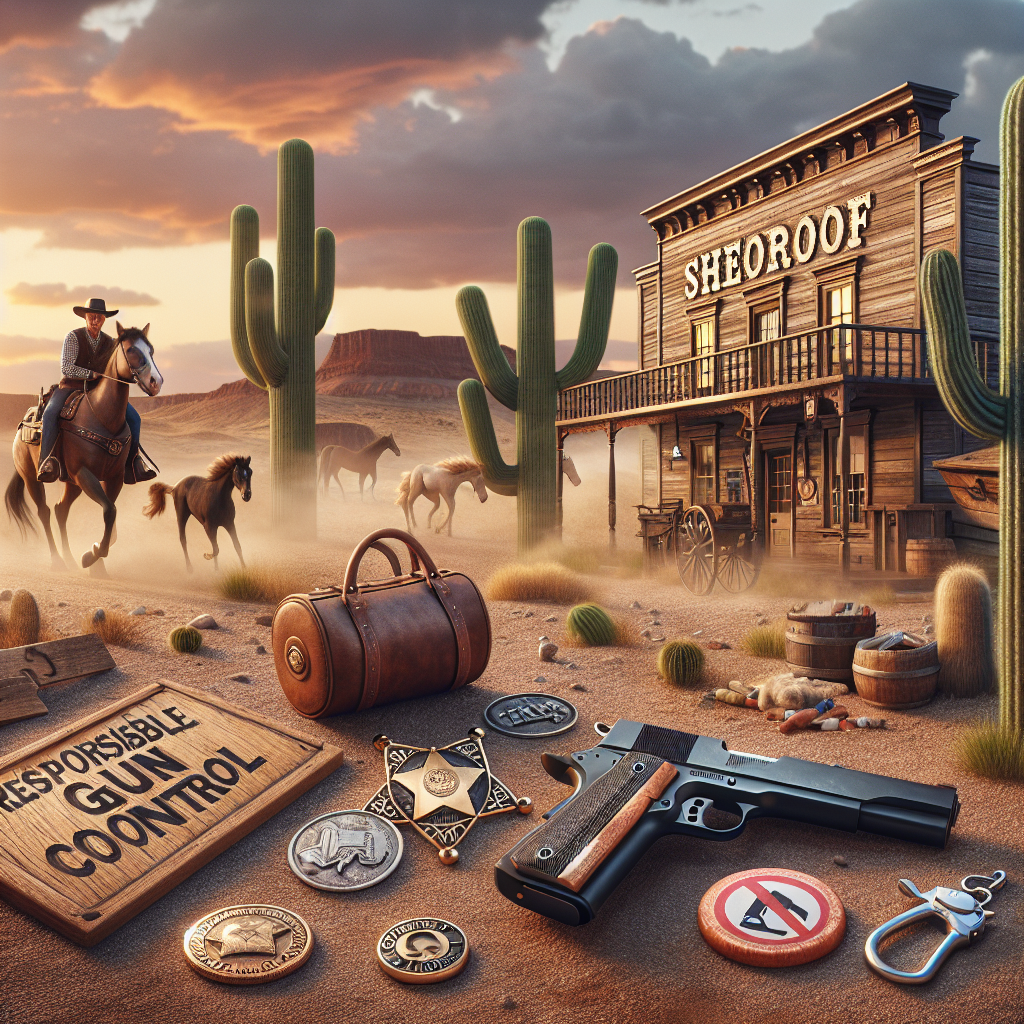

Dare I say, there's something inherently dramatic about gunfighters that captures the imagination in the same way a blockbuster superhero does. Gunfighters, those individuals either romanticized or vilified in history, emerged prominently in the American Old West during the late 19th century. Often depicted in films and stories as lone rangers living by their code, they were both real people and fictional archetypes who found themselves at the heart of law enforcement or criminality in chaotic and lawless lands such as the towns of Tombstone or Deadwood. Unpacking the myth and the reality of gunfighters can tell us a lot about past societies, but also offers interesting reflections on current cultural attitudes toward violence and justice.
The gunfighter's allure was cemented in stories of heroic duels or daring rescues from bandits, painted emphatically by pop culture as saviors or rebels. Yet, the truth often oscillated in shades of gray. Many gunfighters were multifaceted individuals—sometimes protectors, sometimes outlaws, and at times both. Figures like Wyatt Earp, Doc Holliday, and Jesse James typify this murky territory of hero and villain, their lives complicated by the socio-political realities of their times. These individuals often faced the same struggle that underscored much of society: the battle between moral righteousness and survival in a world where law was rudimentary and often enforced at the barrel of a gun.
The fascination with gunfighters has endured into the modern-day, though now it's more likely to be reflected in film, television, video games, and literature than reality. Movies glorify their exquisite skill and dusty old leather boots, while conveniently ignoring much of the hardship and brutality of their actual living conditions. As youngsters, many of us grew up watching Westerns from select directors who perpetuated and mythologized the lone cowboy archetype. Quentin Tarantino, for instance, has tapped into this rich trove, mutating the gunfighter into a more nuanced commentary on modern-day societal issues.
A deep dive into why modern audiences continue to find this era fascinating could point fingers at our enduring thirst for rebellion against rigid control. Gunfighters symbolize a quest for freedom, charting one's path against all odds. They represent raw individualism, an ideal that resonates even today as technology makes everything hyper-connected yet hyper-surveilled. The idea is empowering yet problematic. It glorifies an easy escape from rules while ignoring the collateral damage that such rebellion can bring. These are aspects that increasingly challenge our perceptions of heroes versus anti-heroes.
None of this is to say that gunfighters should be erased from historical review. Far from it. Dialogue and narratives should not only respect those individuals' complexity but also endeavor to understand both the good and the bad shapes of their historical backdrop. Such critical reflections can foster an understanding of society's current debates about issues like gun control and individual freedom. These topics are incredibly divisive, evoking passionate responses from both sides of the political aisle. While some see the gunfighter image as one of independence and protection, others fear that this archetype glamorizes violence in a harmful way.
Let's not forget that the context during which gunfighters thrived was vastly different. It involved territories with little governance and few law enforcers. Today, some of these areas still struggle with precarity and injustice, albeit in modern forms like economic downturns or political upheavals. Society remains entangled in debates around autonomy, law enforcement, and violence just as it was back then, only now the stakes feel even more significant in a densely populated, interconnected world.
Acknowledging the opposing view, one could argue that the admiration for gunfighters is no more than a nostalgic clinging to a past era of perceived simplicity—the idea that a man and his gun could live lawlessly because the world demanded it from him. Advocates often point out that a gun itself was never the problem; the issue lied in how it was used or abused, just as it is today in discussions surrounding gun rights and regulations. However, there should also be recognition that a society where violent retribution seems like independence is a dangerously romanticized view.
To give gunfighters a seat at the table today is not merely to praise or condemn but to learn and adapt. It creates space for everyone to explore narratives and question why they persist. Can the age-old fascination with lone fighters on dusty roads offer insights into better stories, or do they need to be rewritten entirely? As Gen Z increasingly influences the cultural landscape, these questions form part of the sensitive and dynamic conversations about what justice, freedom, and safety should look like.
Gunfighters, in both their legendary and factual aspects, therefore prompt more than just reminiscence; they invoke a way of questioning current norms and inviting change. They remind us of a frontier spirit often lost amid bureaucracy, yet they caution against overly simplistic solutions to deeply-rooted problems.
Ultimately, reflecting on the gunfighter helps us scrutinize not just past myths but asks us to scrutinize our modern selves, the myths we live by, and how those influence our actions today.