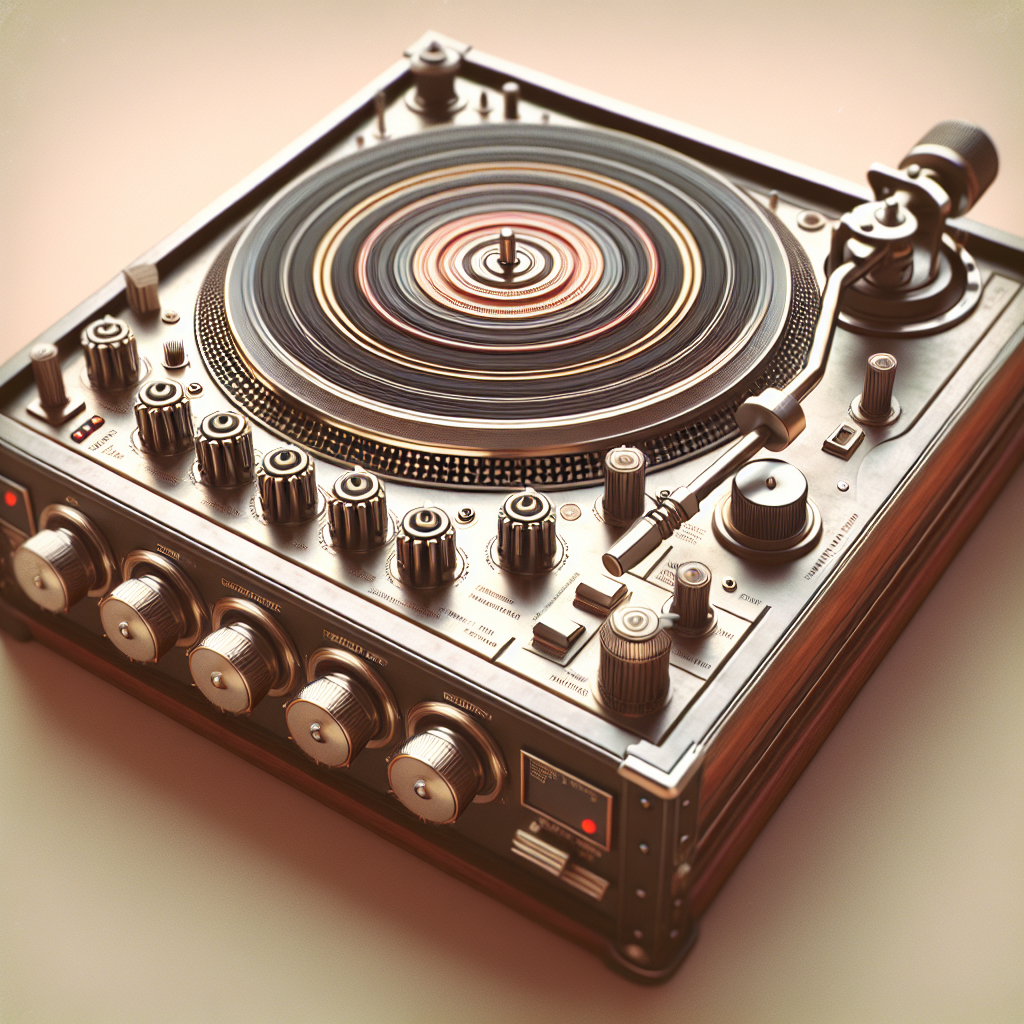

Imagine walking into a room where the energy hits you like a wave, the music is pouring from the turntables into every corner, and each beat feels like a heartbeat. This is the exhilarating world of a Great DJ, a phenomenon that has captivated audiences worldwide. In the early 1970s, DJ Kool Herc, in the Bronx, New York, began looping sections of music to extend their length and by doing so, laid down the foundations of what would become hip-hop DJing. DJs like Herc transformed turntables into instruments, forging a new culture around music. In today's fast-paced world, where technology has blended with soundscapes, DJs have expanded beyond the realm of clubs, blasting out resonant vibes at concerts, festivals, and even digital spaces.
Being a DJ requires more than just playing songs. It's an act of storytelling, creating a narrative through music. A great DJ understands their audience intimately, picking up on the nuances of the crowd, and choosing tracks that will resonate emotionally and physically. The best DJs possess a remarkable ability to read a room, often likened to a sixth sense, blending science, statistics, and genuine human intuition. They understand both the power of nostalgia and the thrill of new sounds.
But being great at this craft is not just about technical skills or having a vast library of tracks. It’s also about adaptability. DJs have to navigate the preferences of different audiences across the globe. In Berlin, the techno scene may call for darker, more industrial sounds, whereas in Lagos, Afrobeats and local pop sounds get the crowd moving. This adaptability was further tested during the pandemic when DJs took to platforms like Twitch and Zoom, adapting their live sets to fit digital rooms.
Furthermore, being a DJ is inherently a space of resistance and change. Many DJs use their platform to introduce new artists, advocate for social justice, and bring communities together through music. They often push boundaries, weaving political statements into their sets or using their voice to champion movements that matter to them. This could be reflected in the diverse selection of music they choose, often having artists from underrepresented communities or music that speaks to larger societal issues.
Yet, not everyone agrees on the role of DJs. Critics argue that DJs merely press play and ride the waves of others' creations, suggesting their artistry is minimal compared to musicians who write and perform their own music. While it’s true that DJs rely on the works of others, they do much more than just play music. There is an art to blending tracks seamlessly, to crafting a mood and guiding the energy of a room with precision and creativity.
Furthermore, DJs have been a driving force in the evolution of music production. They pioneer new technology, whether it’s experimenting with sampling techniques or championing software that reshapes how music is made and experienced. DJs like Skrillex or Diplo have shifted musical paradigms, influencing elements of pop music with their distinctive sounds. In doing so, they bridge the gap between mainstream chart toppers and underground beats, making music accessible to a wider audience.
While acknowledging these different perspectives, it remains clear that the essence of being a great DJ lies in their ability to connect with people. Through music, they evoke emotions, memories, and experiences that are universally human. This role as a cultural connector is vital, especially in an increasingly fragmented world.
Moreover, achieving success as a DJ involves massive dedication, endless practice, and continuous adaptation to emerging trends, technologies, and musical preferences. It’s about finding a balance between personal expression and audience engagement, which is neither simple nor straightforward.
In essence, the story of a Great DJ is one of evolution and adaptability, of pushing boundaries and connecting worlds through the universal language of music. They are not merely humans behind the decks; they are visionaries, culture creators, and storytellers whose influence extends far beyond the music they play. For Gen Z and beyond, looking up to DJs offers a blueprint for creativity, innovation, and unity in diversity, influencing how music shapes our world in unexpected, vibrant ways.