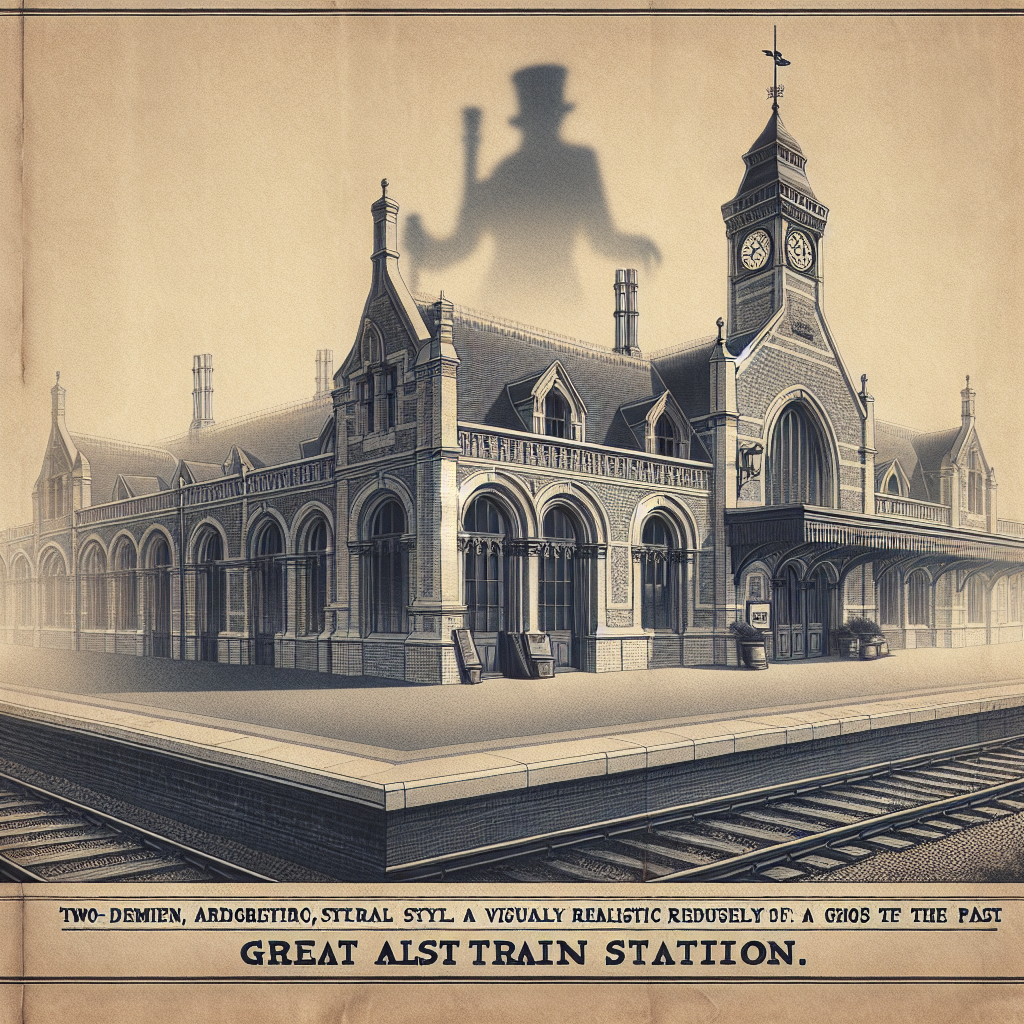

If you've ever dreamed of a journey back in time and imagined the forgotten whistle of an old steam train, Great Alne railway station might just be your hidden gem. Nestled in the charming heart of Warwickshire, England, this station was a product of Victorian optimism and an emblem of an age when rail was king. Built in 1876, Great Alne served the communities with hopes of boosting the economy and connecting folks to broader horizons. Closure came in 1951 with the line officially shutting down, a reflection of shifting societal priorities and the rise of automobile culture.
The Great Alne station stands as a silent testimony to an era when steam ruled the rails. It's where the humdrum of daily life met the potential of new adventures. Imagine, if you will, passengers eagerly awaiting their trains, clutching paper tickets as they hurried along the platform. Who were they? What dreams did they chase? There’s something poetic about a station serving as the hub of stories, journeys, and emotional goodbyes.
People today may wonder: why did it close? The station, like many others during the mid-20th century, fell to the axe of economic pragmatism and the advent of automobiles. The allure of private car ownership and a developing road network often made rail travel seem obsolete. The community, which had once thrived in connectivity, faced an abrupt shift. It’s easy to imagine the bittersweet transition as train tracks grew quieter and the hustle migrated to the highways.
Opponents to the closure argued passionately about the cultural and emotional void such decisions would leave behind. There was a sense of rebellion against the loss of a lifestyle, against the disconnection of communities. Those in favor of the closures had strong economic arguments – railways cost money, upkeep was expensive, and societal needs were changing. Yet, it’s undeniable that something significant was lost.
Such stories of railways are often told with nostalgia, a yearning for a past untouched by the anxiety of our modern age. They speak to us of simpler times: when travel was an adventure in itself, not merely a necessity. The memories of Great Alne station evoke this feeling. It reminds us of the value in history, in keeping these connections alive. You might not be able to catch a train from Great Alne today, but you can imagine what it was like.
Despite its closure, the railway’s legacy endures. There are remnants still visible, a haunting piquancy of what used to be. Enthusiasts and historians often comb these sites, piecing together the stories they once told. These whispers of the past challenge us to ponder: how do we balance progress with preservation?
Today's younger generations, faced with climatic challenges and environmental discussions, may wonder if such stations hold a potential future beyond nostalgia. Could reimagining old rail networks support sustainable transport goals? The exploration of alternative energy and transport methods bid our gaze back to the tracks we’ve long left behind. Could Great Alne represent what modern society yearns to reclaim?
As we visit sites like Great Alne, or merely think upon them, there lies an opportunity to question our assumptions. The enduring structures, though weathered, present a narrative of endurance and adaptability. Railways may be symbols of a bygone era, but they also inspire conversation in how we design the future. In a time where climate change presses on us to reconsider transportation methods, perhaps these old stations have more to teach us than we realize.
The echo of trains at Great Alne might have faded, but they linger in the societal consciousness. They remind us to cherish human connectivity beyond wires and digital screens. They provide inspiration for how we might shape our transit horizons. So while Great Alne stands as a relic, it also beckons us to ponder: what stories will our generation leave behind?
Every so often, these stations make us pause, protectors of memories, adventures untraveled, and desires unfulfilled. Even as they reside in silence, they pose questions urgently needing answers, urging us to comprehend the past and mold something more sustainable for the future.