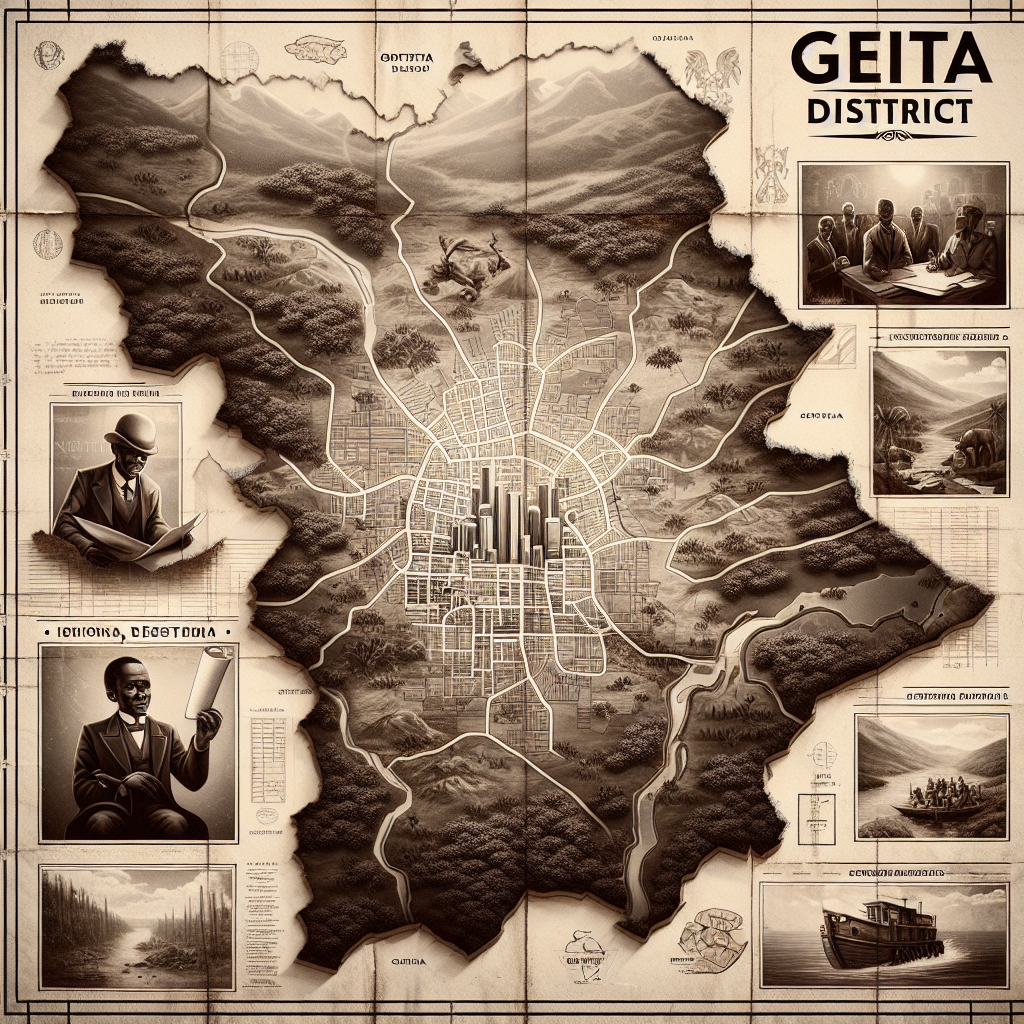

Geita District is like a vibrant tapestry that weaves together culture, naturally stunning landscapes, and socio-political dynamics that's hard not to admire. Nestled in northwestern Tanzania, Geita has been an area of interest since its establishment in the late 20th century. The district became a notable administrative region when Geita Region was formed in 2012, marking a unique chapter in Tanzanian governance.
Sitting on the edge of Lake Victoria, Africa's largest lake, Geita is not just a visual feast with its scenic backdrop, but it is also a hotbed of activity. The mineral-rich lands have attracted artisanal miners for generations, but the rise in industrial mining—especially gold mining—has transformed its economic landscape. Thanks to companies like AngloGold Ashanti, gold mining has become central to Geita's story, driving both opportunity and controversy.
Economically, Geita is booming from mining. It has awarded the district with increased revenue, boosting its infrastructure and services to a level that resonates beyond its borders. Educational institutions have seen improvements, and more roads have been paved, connecting previously isolated communities. The thriving gold industry gives an economic injection that many other Tanzanian districts could only dream of. Job creation in mining and its related sectors has offered hope to locals, previously plagued by limited opportunities.
Swipe to another angle, and the Geita story isn't so polished. The industrial progress has its thorns—environmental concerns are rising as ecosystems face the consequences of widespread mining. Land degradation and water pollution have stirred protests among environmentalists and communities who live near mining sites. The irony of wealth extraction leaving land poorer lends a complex face to happiness in Geita. Here, progress is weighed against the health of the community and future generations.
From a cultural lens, Geita is an intriguing blend. Various ethnic groups coexist here, bringing richness in tradition, language, and cuisine. This mix, however, does not always brew harmony. Tensions can arise from resource distribution, given how local and national interests often clash, particularly when it concerns extractive industries. Modern-day politics in Geita often echoes this tension between benefiting from globalized industries and safeguarding local communities' rights and traditions.
Generation Z in Geita, like elsewhere, has a front-row seat to this unfolding drama. They are digitally savvy and globally connected, critically examining issues around them. With access to information and platforms to share their voices, they hold power to make meaningful change. Empowered by millennials' trailblazing, Gen Z challenges environmental mishaps and calls for inclusivity in economic gains.
As much as Geita’s gold woes form part of its complex story, the district is not just about gold. Agriculture remains a steadfast contributor to its economy, feeding thousands and anchoring communities. Maize, coffee, and various other crops tint the lands with green and brown hues. Farming here isn't just a livelihood—it's a testament to their resilience and adaptability in the wake of global challenges like climate change.
The healthcare scene in Geita has witnessed growth, although gaps remain. The wealth from mining has improved facilities but not evenly across the board. Rural areas often lag behind, grappling with a shortage of medical professionals and outdated infrastructure. Health campaigns have intensified, tackling malaria and HIV/AIDS among other challenges, reflecting a strong communal resolve.
Education paints a nuanced picture of aspiration and adversity. Children from Geita grow up in classrooms where dreams are shaped by chalk and hope. The reinvestment of mining revenue into schools presents bright prospects, yet disparities persist—especially in rural settings dicey with overcrowded classrooms and underqualified teachers.
Across the district, young voices are rising, powered by newfound expressions in social networks and viral videos. From climate activism to cultural discourse, Geita’s youth are emerging as critical players, fermenting change and connectivity in an otherwise divided region.
While it's easy to see the dichotomy in Geita’s past and present, it's inspiring to imagine its potential future—a future where sustainable development is not just a buzzword but a lived reality. This will require balancing economic growth with environmental integrity, ensuring equitable access to education, and fostering community-centered governance.
What makes Geita charismatic isn't just its issues but its possibilities. It's a place of contradictions, yet also of charisma and potential. Like many places in the world, Geita District is learning to balance on the tightrope of tradition and modernity, seeking harmony and meaning in a rapidly changing world.