
The Curious Case of Folly House
Imagine a house that seems to defy logic and reason, a place where the walls whisper secrets of the past. Folly House, located in the quaint town of Whitby, England, is just that—a peculiar architectural marvel that has captured the imagination of many. Built in the late 18th century by the eccentric Sir Charles Folly, this house stands as a testament to his whimsical nature and love for the bizarre. Sir Charles, a wealthy landowner, constructed the house as a retreat from the mundanity of everyday life, infusing it with oddities and curiosities that continue to intrigue visitors to this day.
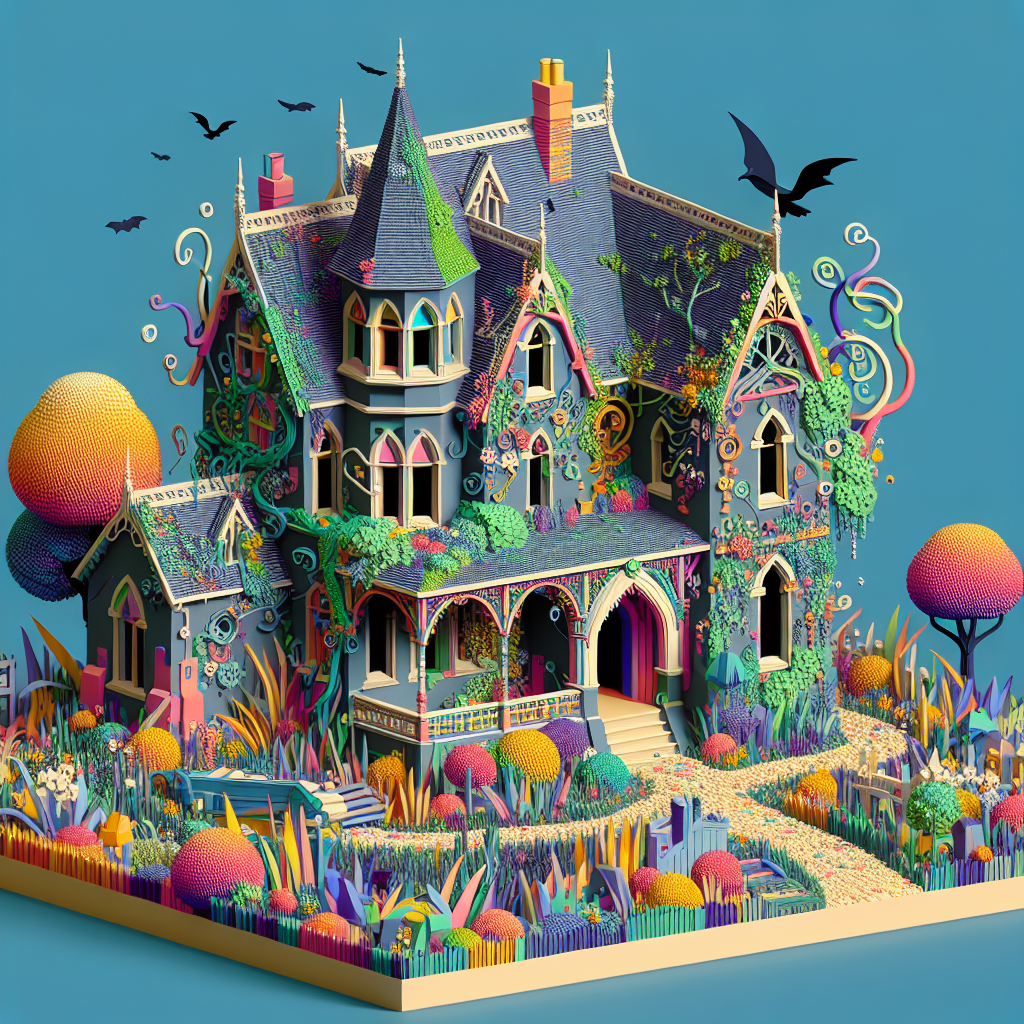
Folly House is not your typical residence. Its design is a hodgepodge of architectural styles, with Gothic turrets, Roman columns, and even a touch of Egyptian flair. The interior is equally eclectic, featuring secret passageways, hidden rooms, and a library filled with rare and unusual books. Sir Charles was known for his love of the unusual, and he spared no expense in creating a home that reflected his unique personality. The house has become a local legend, drawing tourists and historians alike who are eager to explore its mysteries.
The allure of Folly House lies not only in its architecture but also in the stories that surround it. Some say the house is haunted by the ghost of Sir Charles himself, who roams the halls in search of his lost treasures. Others believe that the house holds the key to a hidden fortune, left behind by its enigmatic creator. These tales have only added to the house's mystique, making it a popular subject for ghost hunters and treasure seekers.
Despite its charm, Folly House has not been without controversy. Some locals view it as an eyesore, a gaudy monument to one man's vanity. They argue that the house is a blight on the landscape, detracting from the natural beauty of the surrounding countryside. Others, however, see it as a valuable piece of cultural heritage, a reminder of a time when creativity and individuality were celebrated. This debate has sparked discussions about the preservation of historical sites and the importance of maintaining a balance between progress and tradition.
The story of Folly House is a fascinating one, filled with intrigue and mystery. It serves as a reminder of the power of imagination and the enduring appeal of the unknown. Whether you view it as a masterpiece or a monstrosity, there is no denying that Folly House has left an indelible mark on the town of Whitby and the people who visit it. It challenges us to think about the ways in which we define beauty and value, and to consider the role that history plays in shaping our present and future.
In a world that often prioritizes conformity and practicality, Folly House stands as a beacon of creativity and eccentricity. It invites us to embrace the unusual and to celebrate the diversity of human expression. As we continue to grapple with questions of identity and belonging, perhaps we can learn something from Sir Charles and his whimsical creation. After all, it is the follies of the past that often inspire the innovations of the future.