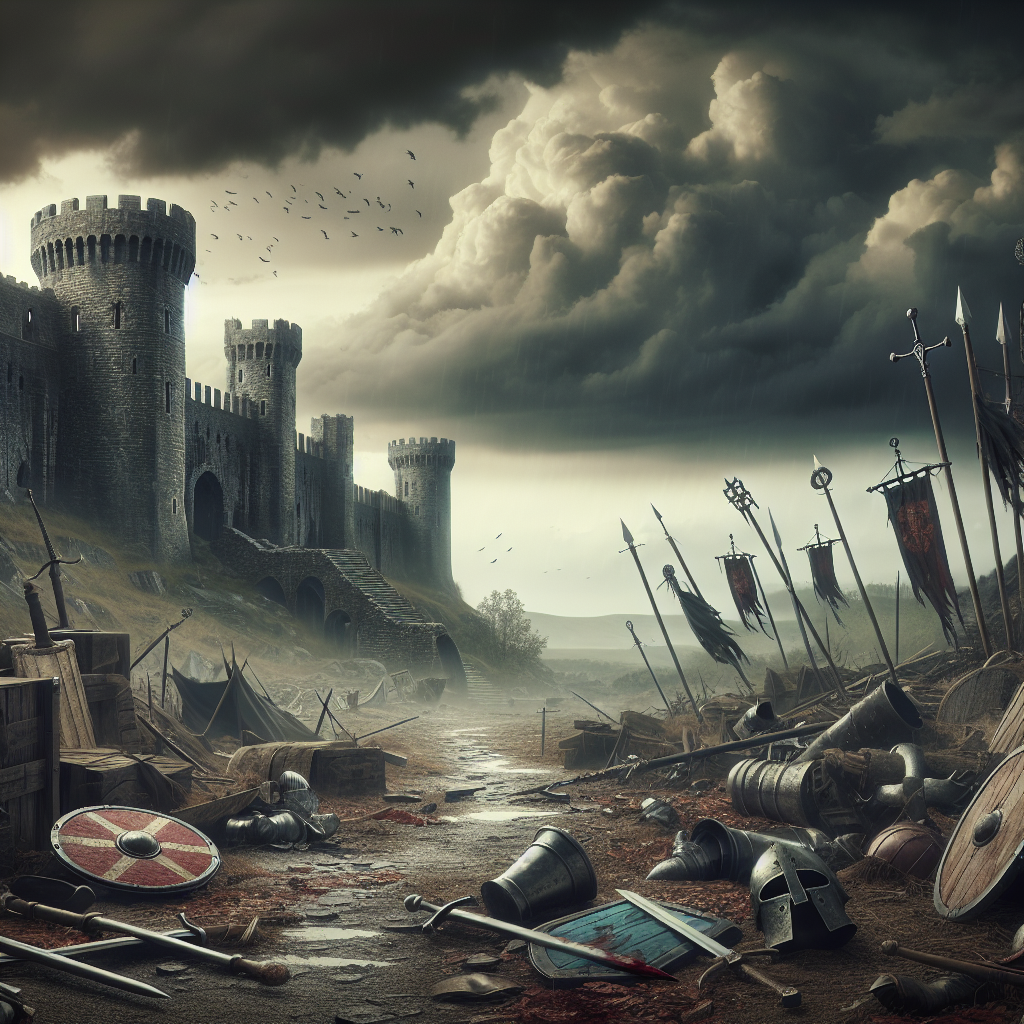

Flesh and Blood: A Medieval Tale of Chaos and Carnage
In the wild and tumultuous world of 1985 cinema, "Flesh and Blood" emerged as a gritty, medieval epic that left audiences both captivated and appalled. Directed by Paul Verhoeven, known for his penchant for provocative storytelling, the film is set in 16th-century Europe, a time rife with war, betrayal, and moral ambiguity. The story follows a band of mercenaries led by the charismatic yet ruthless Martin, played by Rutger Hauer, as they navigate a landscape of shifting allegiances and brutal survival. The film was shot in Spain, utilizing its rugged landscapes to enhance the gritty realism of the narrative. Verhoeven's choice to depict the era with unflinching brutality was a deliberate attempt to challenge the romanticized view of medieval times, making audiences question the nature of heroism and villainy.
"Flesh and Blood" is not your typical medieval adventure. It eschews the chivalric ideals often associated with the genre, opting instead for a raw and unvarnished portrayal of human nature. The film's characters are complex and morally ambiguous, reflecting the chaotic world they inhabit. Martin, the leader of the mercenaries, is both a hero and a villain, driven by a code of loyalty to his men but also by a ruthless desire for power and revenge. His relationship with Agnes, played by Jennifer Jason Leigh, adds another layer of complexity, as she navigates her own survival in a world dominated by men.
The film's depiction of violence and sexuality is unrelenting, a hallmark of Verhoeven's style. This approach sparked controversy upon its release, with some critics praising its boldness and others condemning it as gratuitous. However, this rawness serves a purpose, forcing viewers to confront the harsh realities of the time period. The film does not shy away from the brutality of war, the exploitation of women, or the fickle nature of loyalty, making it a challenging but thought-provoking watch.
While "Flesh and Blood" may not have achieved mainstream success, it has garnered a cult following over the years. Its unflinching portrayal of medieval life, combined with strong performances and a compelling narrative, has cemented its place as a unique entry in the genre. The film's exploration of themes such as power, betrayal, and survival resonates with audiences, offering a stark reminder of the darker aspects of human nature.
Critics and audiences alike have debated the film's merits, with some appreciating its historical authenticity and others finding its bleakness off-putting. However, this division is part of what makes "Flesh and Blood" enduringly fascinating. It challenges viewers to question their perceptions of history and morality, blurring the lines between right and wrong.
For those who appreciate films that push boundaries and provoke thought, "Flesh and Blood" is a must-watch. It offers a visceral experience that lingers long after the credits roll, inviting reflection on the complexities of human behavior and the timeless struggle for power and survival. In a world where stories of knights and castles often come with a sheen of nobility, Verhoeven's film stands out as a stark reminder of the chaos and carnage that lie beneath the surface.