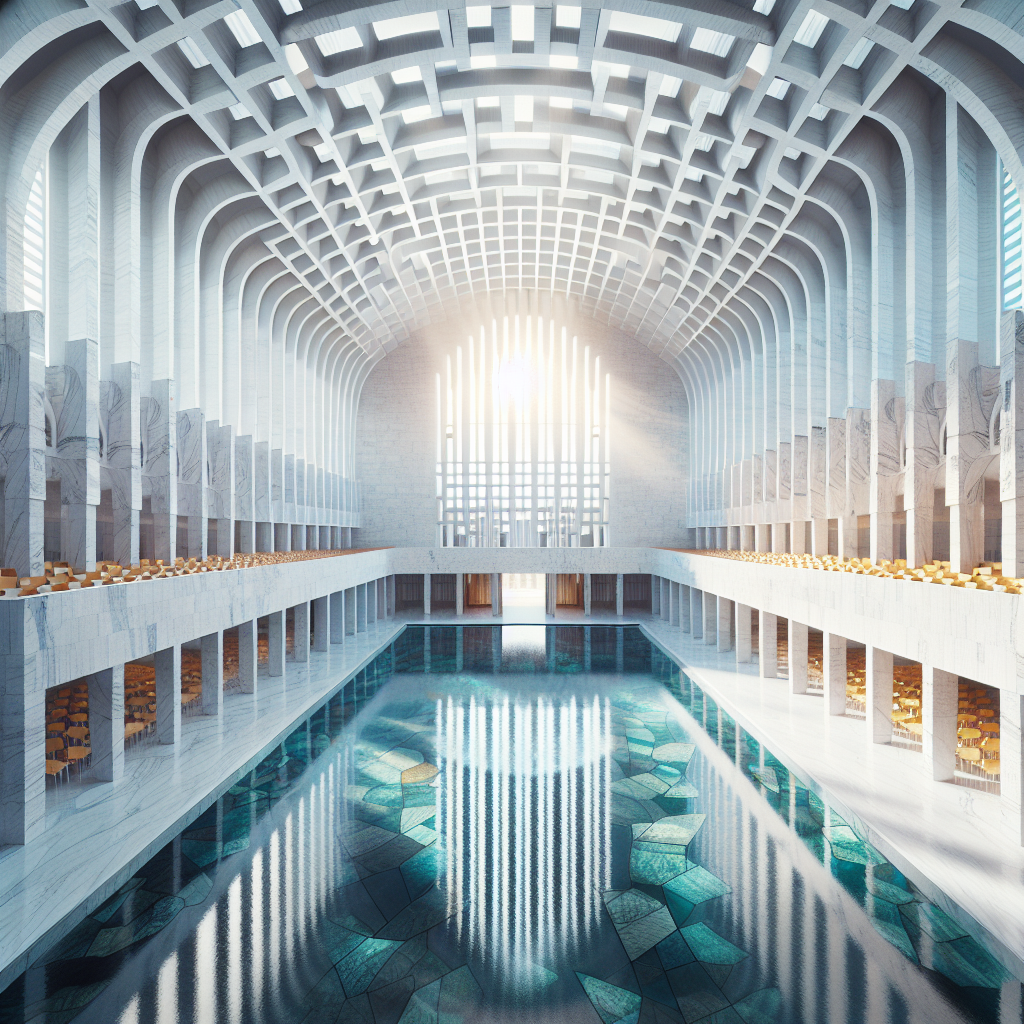

Finlandia Hall: A Symphony of Architecture and History
Imagine a building that sings a symphony of history and modernity, and you'll find yourself standing before Finlandia Hall. Designed by the renowned Finnish architect Alvar Aalto, this architectural masterpiece was completed in 1971. Located in the heart of Helsinki, Finland, Finlandia Hall serves as a concert hall and a congress center, hosting a variety of events from international conferences to classical music concerts. The hall is a testament to Aalto's vision of combining functionality with aesthetic beauty, and it stands as a symbol of Finnish culture and innovation.
Finlandia Hall is not just a building; it's a piece of art. Aalto's design incorporates natural materials and organic forms, reflecting the Finnish landscape. The use of white Carrara marble on the exterior gives it a striking appearance, while the interior is adorned with warm wood and soft lighting, creating an inviting atmosphere. The hall's acoustics are world-renowned, making it a favorite venue for musicians and performers. Aalto's attention to detail is evident in every corner, from the custom-designed furniture to the unique light fixtures.
The hall has played a significant role in Finland's cultural and political life. It has hosted numerous international summits, including the Conference on Security and Cooperation in Europe in 1975, which was a pivotal moment during the Cold War. This event brought together leaders from both sides of the Iron Curtain, highlighting Finland's role as a neutral ground for diplomacy. Finlandia Hall has also been a stage for countless cultural events, showcasing Finnish talent and fostering international cultural exchange.
However, Finlandia Hall is not without its challenges. Over the years, the building has faced issues with its marble façade, which has required extensive renovations. Critics argue that the maintenance costs are too high and question the sustainability of using such materials in a harsh Nordic climate. Despite these concerns, many believe that preserving Aalto's original design is crucial for maintaining the hall's historical and cultural significance.
The debate over Finlandia Hall's future reflects a broader conversation about the preservation of architectural heritage versus the need for modernization. Some advocate for a complete overhaul to improve energy efficiency and reduce maintenance costs, while others emphasize the importance of preserving Aalto's vision. This tension between tradition and progress is a common theme in discussions about historic buildings worldwide.
For the younger generation, Finlandia Hall represents more than just a concert venue or a conference center. It embodies the spirit of innovation and creativity that defines Finnish culture. As Gen Z navigates a rapidly changing world, the hall serves as a reminder of the importance of balancing tradition with modernity. It encourages us to appreciate the beauty of our past while embracing the possibilities of the future.
In a world where architectural trends come and go, Finlandia Hall stands as a timeless icon. Its blend of form and function continues to inspire architects and artists alike. Whether you're attending a concert, participating in a conference, or simply admiring its design, Finlandia Hall offers a unique experience that resonates with people of all ages. As we look to the future, the hall remains a symbol of Finland's commitment to culture, diplomacy, and innovation.