
Imagine a world where ancient traditions light our path, echoing through centuries with a joy unmatched. The Exsultet stands as a beacon in the Christian faith, a hymn joyfully sung during the Easter Vigil, celebrating the resurrection of Christ. Rooted deep in the tapestry of history, its origins trace back to the early Church. It is typically sung on Holy Saturday night in churches worldwide, from grand cathedrals to humble chapels, when believers gather to rekindle the hope and light that Easter symbolizes. The Exsultet isn’t just an ordinary hymn; it marks a crescendo in the most solemn liturgical celebration of the year. But why does this ancient chant resonate so deeply with both traditionalists and those curious about its historical grip on modern culture?
The Exsultet, or "Easter Proclamation," emerges as a compelling blend of history, faith, and musical beauty. Traditionally performed by a deacon or priest, its Latin verses kindle the Easter candle's flame, representing Christ as the world's light. The Exsultet is said to have been crafted in its current form between the 5th and 7th centuries, a time where the Church was solidifying many of its rituals and prayers. Its expressive lyrics and elaborate structure provide profound theological insights, echoing themes of redemption, hope, and transformation.
For a generation searching for authenticity, the Exsultet’s longevity and its message might strike a chord. As much as it is a religious chant, its poetic style and ancient call for hope can transcend religious boundaries. Some might find an unlikely resemblance between the Exsultet and modern hymns or songs that seek to uplift and unite communities.
Let's talk about accessibility. Language and tradition can form barriers. Critiques often arise around the Church’s adherence to Latin in rituals like the Exsultet, especially in an age striving for inclusivity. The Latin text, although historically significant, isn’t universally understood, which sometimes makes the Exsultet feel distant. Many contemporary practitioners express a longing for translations or versions that match today’s languages and tones while retaining its essence. It's a delicate balance between preserving the sacredness of tradition and meeting the spiritual needs of a diverse, modern congregation.
While some argue that retaining the Latin underscores a sense of unity and timelessness within a global church, others push for modern languages that resonate more with the current demographic. This push and pull reflect larger dynamics within many traditional institutions grappling with change. Traditions, like the Exsultet, need to somehow keep their historic glow while also shining brightly for a new generation. It’s not always an easy tune to carry harmoniously.
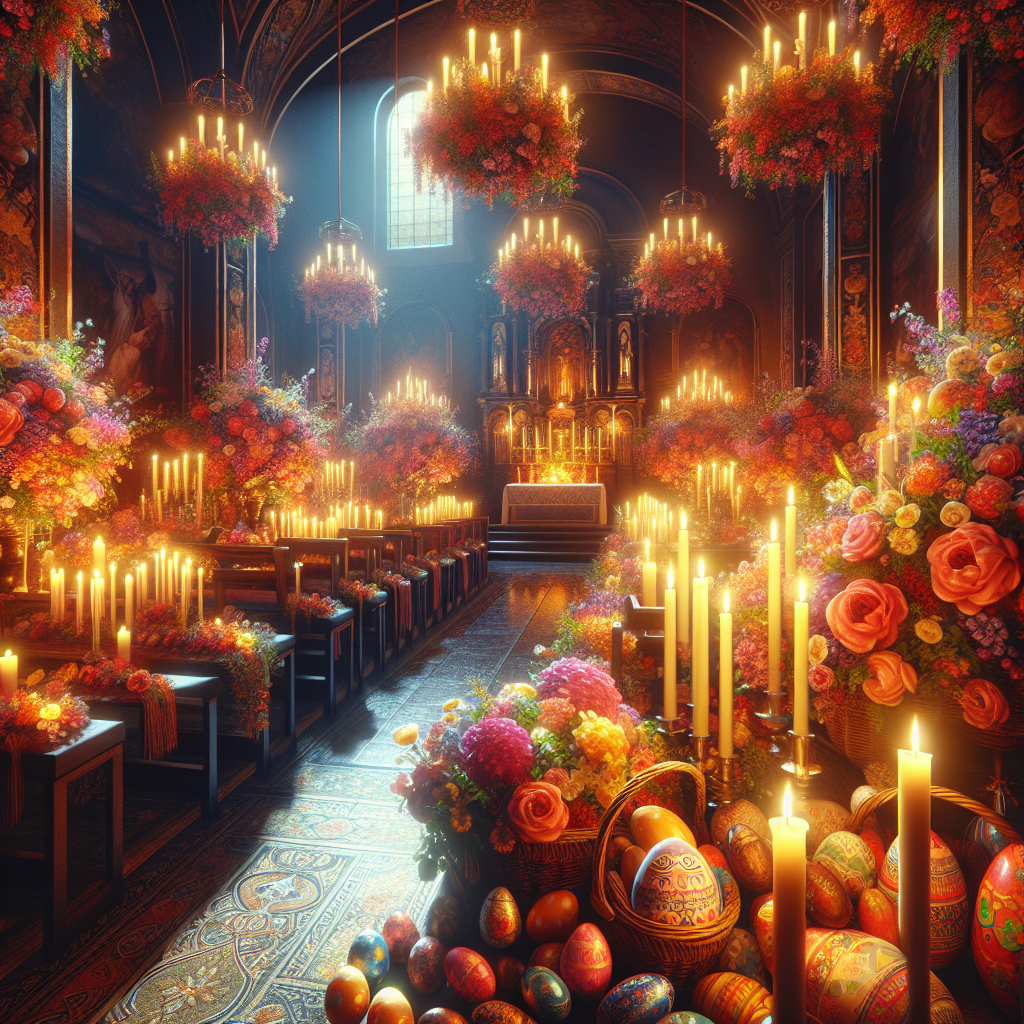
Beyond the notes and the words, the Exsultet’s setting is enchanting. Picture a church filled with flickering candlelight during an Easter Vigil, each flame illuminating the gathered congregation’s faces as echoes of the chant fill the air. This scene, repeated in countless churches, casts a unifying glow that binds attendees to a shared heritage and shared hope. Even those attending for reasons beyond just spiritual obligation can’t deny the ritual’s captivating beauty.
The Exsultet also has its footnotes woven within a political tapestry. Many faith communities debate the role of ritual in addressing societal issues. Can liturgical traditions like the Exsultet evolve to reflect pressing social concerns, or do they remain sacred relics untouched by contemporary issues? Some believe that these traditions must not only echo faith but also humanity, addressing themes such as climate change, social justice, and peace, especially since many churches aim to be safe havens amid societal chaos.
It stirs thought on what the Exsultet might symbolize in today’s world. Could it be a call to action as much as a call to prayer? Should it spur us to illuminate our times' challenges as it does Easter night? The potential for this symbolism is significant, offering a bridge between tradition and modernity.
Whether you're spiritually inclined or simply intrigued by the rich histories that shape global cultures, the Exsultet is a fascinating piece of liturgical music history. It ties the communal with the divine, tradition with transformation, and ancient solemness with the joy of what’s to come. As you approach these themes, remember that no piece of history exists in a vacuum; each part of the Exsultet echoes with centuries of struggle, celebration, and contemplation.
While questions remain on how much the Exsultet should adapt versus how much it should remain the same, its continued use speaks to a resilience that parallels many of today’s societal debates. Like the flame it kindles, the Exsultet burns with tradition yet flickers towards the possibilities of tomorrow. At its heart, it challenges us to think of light in both literal and metaphorical ways, perhaps inspiring even those who have never stepped foot in a church to consider its timeless message.