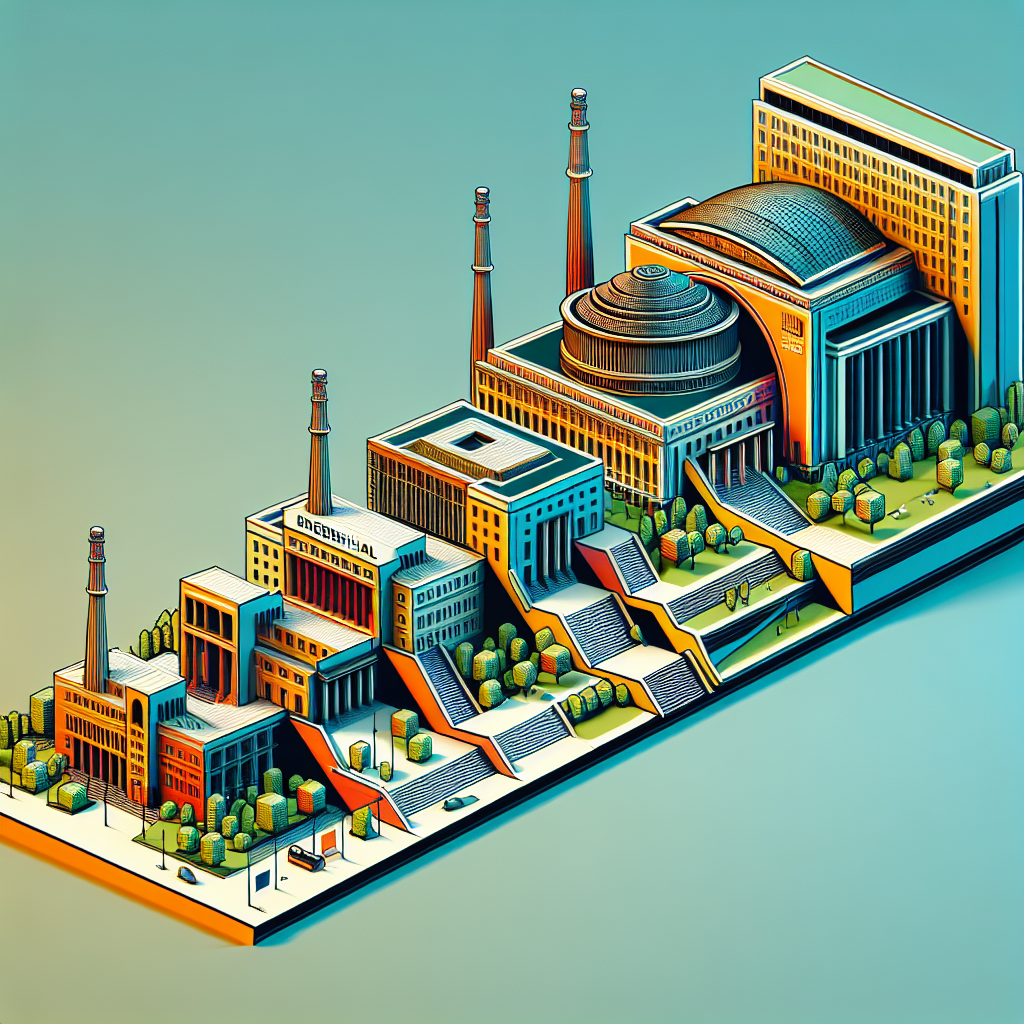

The Rise and Fall of Energiehal: A Cultural Icon
Imagine a place where the echoes of rock music, the cheers of sports fans, and the laughter of friends all blend into one unforgettable symphony. That was Energiehal, a legendary venue located in Rotterdam, Netherlands. Built in 1950, this multipurpose hall became a cultural icon, hosting everything from concerts and sports events to trade shows and exhibitions. For decades, it was a hub of activity and a beloved gathering spot for locals and visitors alike. However, in 1999, the Energiehal was demolished, leaving behind memories and a legacy that still resonates with those who experienced its magic.
Energiehal was more than just a building; it was a symbol of post-war optimism and a testament to Rotterdam's resilience. After the devastation of World War II, the city was in desperate need of spaces that could bring people together and foster a sense of community. Energiehal fulfilled that need, quickly becoming a popular venue for a wide range of events. It was a place where people from all walks of life could come together to celebrate, compete, and connect.
The venue's versatility was one of its greatest strengths. It hosted legendary concerts by bands like Nirvana and Metallica, drawing music lovers from across the country. It was also a key location for sporting events, including basketball games and indoor soccer matches. Trade shows and exhibitions found a home there as well, showcasing everything from the latest technology to local crafts. Energiehal was a place where culture, sports, and commerce intersected, creating a vibrant tapestry of experiences.
Despite its popularity, Energiehal faced challenges as the years went by. The building's aging infrastructure struggled to keep up with modern demands, and newer, more advanced venues began to emerge. The decision to demolish Energiehal in 1999 was met with mixed emotions. Many mourned the loss of a beloved cultural landmark, while others recognized the need for progress and modernization. The site where Energiehal once stood is now part of the Ahoy Rotterdam complex, a state-of-the-art venue that continues to host major events.
The story of Energiehal is a reminder of the ever-changing nature of cities and the spaces within them. While it's natural to feel nostalgic for the past, it's also important to embrace change and look forward to the future. The memories created at Energiehal live on in the hearts of those who experienced its magic, and its legacy continues to inspire new generations.
For those who never had the chance to visit Energiehal, its story serves as a testament to the power of community and the importance of spaces that bring people together. In a world that often feels divided, places like Energiehal remind us of the joy and connection that can be found in shared experiences. As we move forward, it's crucial to create and preserve spaces that foster these connections, ensuring that the spirit of Energiehal lives on in new and exciting ways.