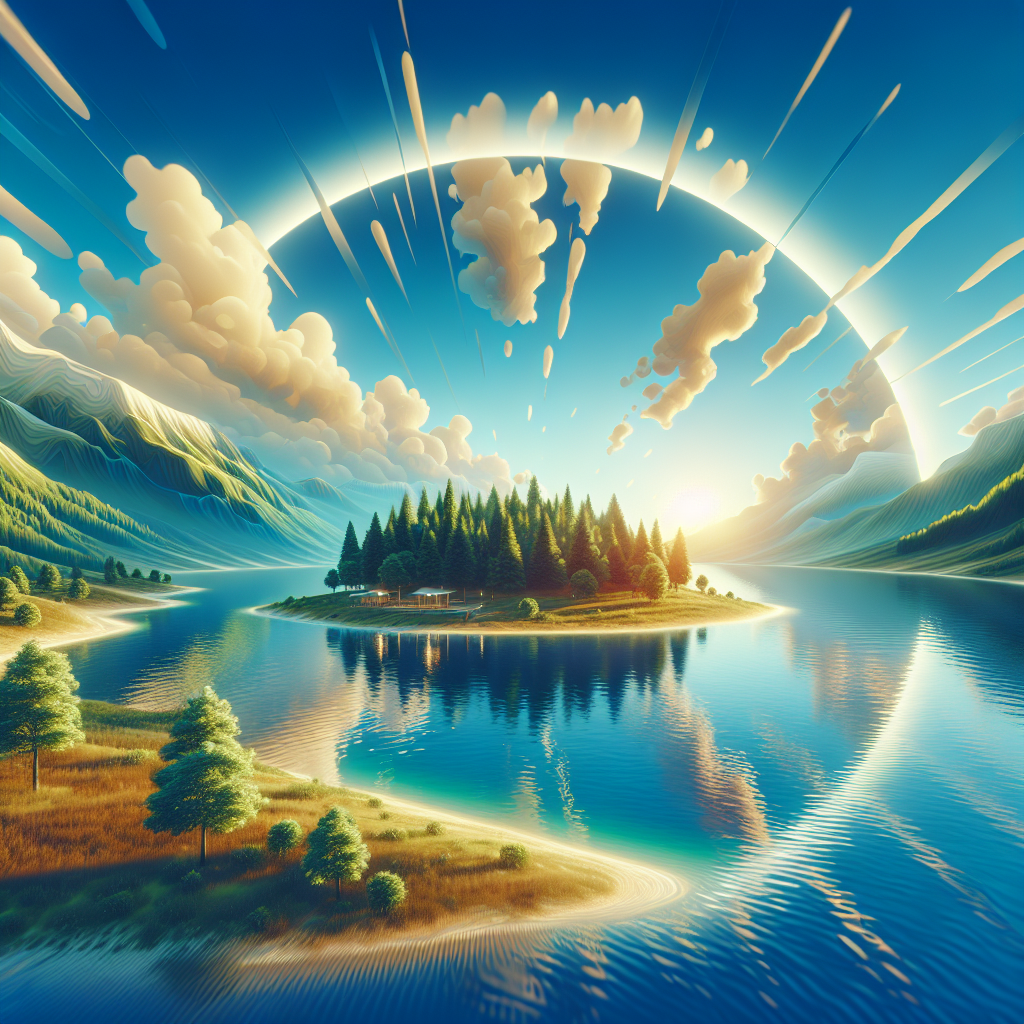

When a reservoir becomes the backdrop for a decades-spanning tale of history and nature, it's hard not to get hooked. Elektrėnai Reservoir, constructed in the 1960s in Lithuania, serves not only its main role to cool the Elektrėnai Power Plant, but it’s also a unique blend of culture, history, and ecological curiosity. It's nestled near the town of Elektrėnai, and the reservoir's existence dates back to Soviet-era ambition and strategy.
For Lithuania, the creation of the Elektrėnai Reservoir was a statement of energy independence during a time when political tension danced through Eastern Europe. Who wouldn’t be intrigued by its origins, part of a larger narrative during an epoch drenched in Cold War intensity? Occupying a commanding position within the region, it was originally designed to support the thermal power plant, popping up as an artificial lake where once only land existed. The power plant stands as a progressive relic, representing industrial advancement while also catalyzing the growth of what was then a brand-new settlement—Elektrėnai.
Today, Elektrėnai may not strike many as a hubbub of eco-tourism, but the reservoir owns its fair share of scenic beauty and recreational invitation. The allure is simple but effective: clean water, a little wildlife, and panoramic views. Young locals and tourists enjoy gathering along the water’s edge. There’s a harmony in leisure that appeals remarkably to Gen Z, who value not just the experience but also the story behind the landscapes they tread.
Still, the reservoir runs deeper than its surface. It was a venture that submerged land and reshaped lifestyles, echoing an ongoing inner conflict for some residents who lived through its creation. Older generations who remember the submerged areas from their youth express mixed emotions—empathy and nostalgia tinged with the loss of their former landscapes and the displaced communities.
On warmer days, the reservoir becomes a lively aquatic stage. Sailboats breeze across the water. Anglers find peace in their quiet pursuit of fish, contributing to an atmosphere of calm only occasionally broken by the cries of distant birds echoing overhead. Yet, the reservoir isn't just about gentle recreation. It’s also about lessons in contrast, balancing the industrial hum with nature's own symphony. It's as if time occasionally stands still, allowing a rare moment to appreciate history and progress entwined in a dance as old as the tug-and-pull of human ambition.
Environmentalists take a particular interest in Elektrėnai Reservoir, raising valid concerns about the impact of human-made structures on ecosystems. There's an ongoing dialogue about habitat disruptions and water quality, challenging the romance of the reservoir with the realities of ecological caution. This narrative isn't exclusive to Elektrėnai—it’s a common thread in any modern discussion of artificial lakes and reservoirs.
Beyond its environmental facets, Elektrėnai Reservoir stands as a monument of engineering and perseverance. Power needs and sustainability often find themselves at opposing ends of a debate, yet there's potential for creative solutions that could integrate green technologies with existing infrastructures like Elektrėnai's power plant system.
As discussions about renewable energy and climate change gain more attention, places like the Elektrėnai Reservoir help to highlight the delicate balance between human needs and environmental responsibility. The reservoir inadvertently educates attendants on the importance of sustainable energy practices, conservation efforts, and the role each individual plays in their successful execution.
Older generations might view the reservoir through the lens of memory and heritage, younger ones see it through ecology and recreation. The Elektrėnai Reservoir, in its quiet way, becomes a bridge between not just generations, but perspectives. It stands firm as a reminder of Lithuania's tenacity and the global narrative of finding harmony between man-made ambition and Mother Nature.
The Elektrėnai Reservoir continues to offer a cultural crossroads, where nature, history, and human invention meet. It invites reflection on both present ideals and past realities, calling on all who visit to appreciate the delicate threads that have woven its story—and to consider what happens in the next chapter.