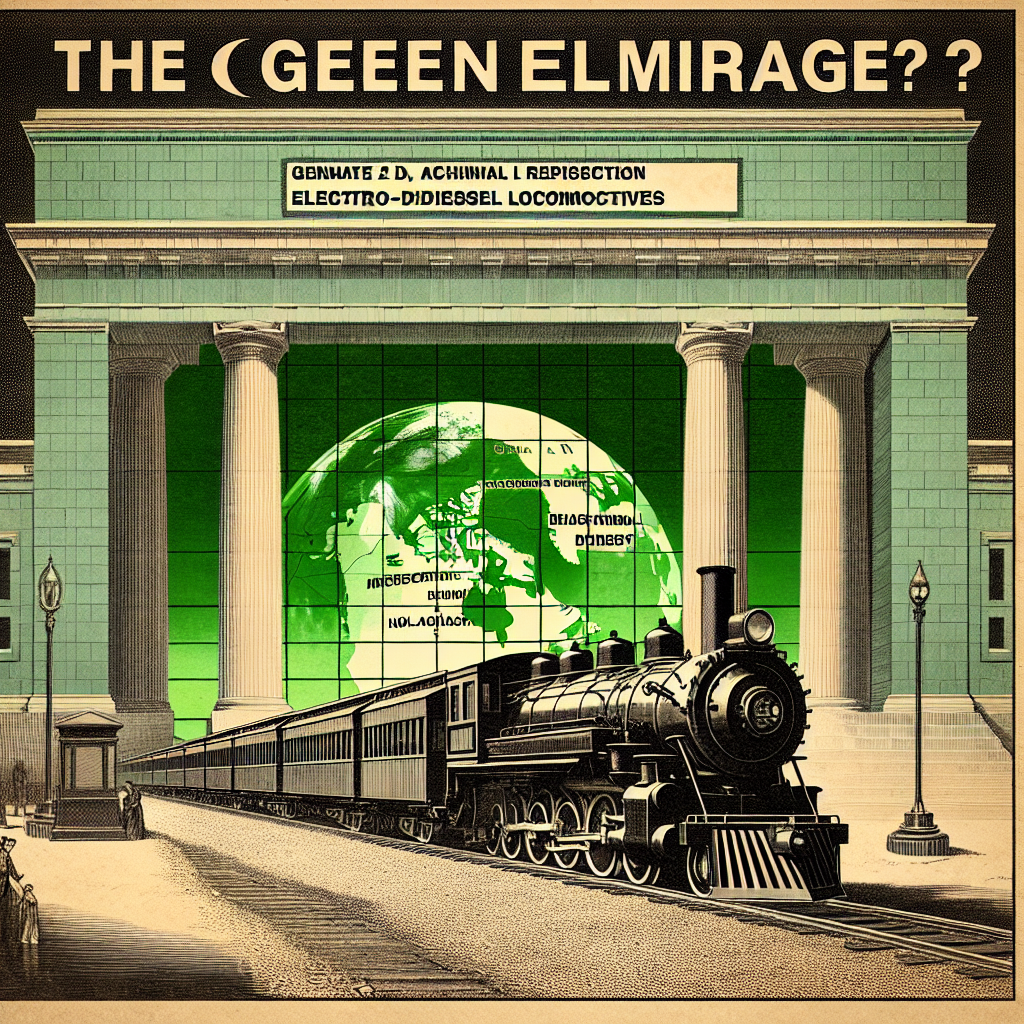

Imagine a Frankenstein on tracks, except it's not scary—it's exhilarating! Within the world of trains, the electro-diesel locomotive is the hybrid wonder that has made its mark by blending the best of two different power sources. Conceived as an efficient solution to the global challenge of balancing energy needs with environmental concerns, this locomotive can switch between electric power and diesel engine. The electro-diesel plays a vital role wherever rail routes intertwine through electrified and non-electrified paths, seamlessly bridging the gap in places like Europe where rail networks vary vastly in infrastructure. A product of the mid-20th century, its debut was a step towards the greener and more flexible rail transport many countries sought.
It's easier to understand what's going on under the hood if we take a closer look at the basic principle. The electro-diesel locomotive is designed to operate on electrified tracks by utilizing a pantograph to draw from overhead lines where available. On sections of the track without wiring, it switches to a diesel engine, preventing the need to switch out or add extra locomotives. This dual-mode locomotive was born from the necessity of dealing with incomplete electrification and has become an essential player for many national rail services.
The technological magic here lies in the locomotive’s ability to swap between its two mighty hearts. One minute it's a gliding electric giant, poised to save on diesel, which can relieve stress on fuel reserves and reduce emissions. The next minute, it transforms into a diesel-run beast that keeps freight moving through the less modernized parts of the rail network. This ability to pivot is pretty impressive, as it keeps improving operational efficiency and compatibility.
Beyond this practicality and efficiency, electro-diesel locomotives embody a forward-thinking philosophy that resonates with the values of contemporary society. They represent a shift towards flexibility in energy use, combining traditional methods with green practices. Rail companies have adopted these locomotives widely, driving them through cities where urbanization demands cleaner air and reduced noise pollution—caused primarily by diesel-only engines.
Now, some might argue that any investment in diesel technology could be seen as a step backward in the fight against climate change, especially with the world leaning towards full electrification or hydrogen fuel cells. The concern isn't baseless. More modern technologies appear on the horizon, often promising to be cleaner and more efficient. Fully electric rails should, in theory, be everyone's ultimate goal. But until such investments materialize universally across sprawling networks, the electro-diesel remains practical, serving as a necessary bridge.
There's still the reality of economics. Building new infrastructures to accommodate a fully electric line is financially daunting and time-consuming. At times, the sheer physicality of reworking older tracks can be harmful to communities due to the disruption caused. Here, the electro-diesel holds its ground as a beacon for smart utilization of existing resources. It empowers rail systems to invest rationally in stages, avoiding hasty overhauls with skyrocketing price tags.
And let's not ignore their global appeal. From the bustling tracks of Europe to the expansive railroads of North America, electro-diesels are in action. Bets have been placed on them for over half a century, proving they can adapt to evolving rail environments. The British Rail Class 73, for example, has been a stalwart presence on the UK tracks, adapting through several iterations to meet contemporary emissions standards and energy efficiencies.
While examining their global impact, it's essential to touch on the job market they support. The continued use and development of electro-diesel locomotives provide ample opportunities in terms of engineering, manufacturing, and maintenance careers, crucial for communities built around rail industries. This aspect of rail life is frequently overlooked, though it's a reminder of how transportation intersects with human opportunity and sustains livelihoods directly.
By holding space for technological evolution alongside sustainable practices, electro-diesel locomotives can be seen as a compromise between what is ideal and what is feasible. They invite a discussion about rail transport's future—a dialogue involving cleaner, more efficient technology that's both economically viable and environmentally conscious.
To synthesize radically differing philosophies about transport and energy, the electro-diesel represents a tactile step forward, whispering pragmatism over idealism in the great energy debate. As the dialogue continues about what the future of rail transport should look like, this hybrid's story echoes the importance of transition technologies in enabling sustainable development, moving us towards a future where efficient and green can harmoniously coexist.