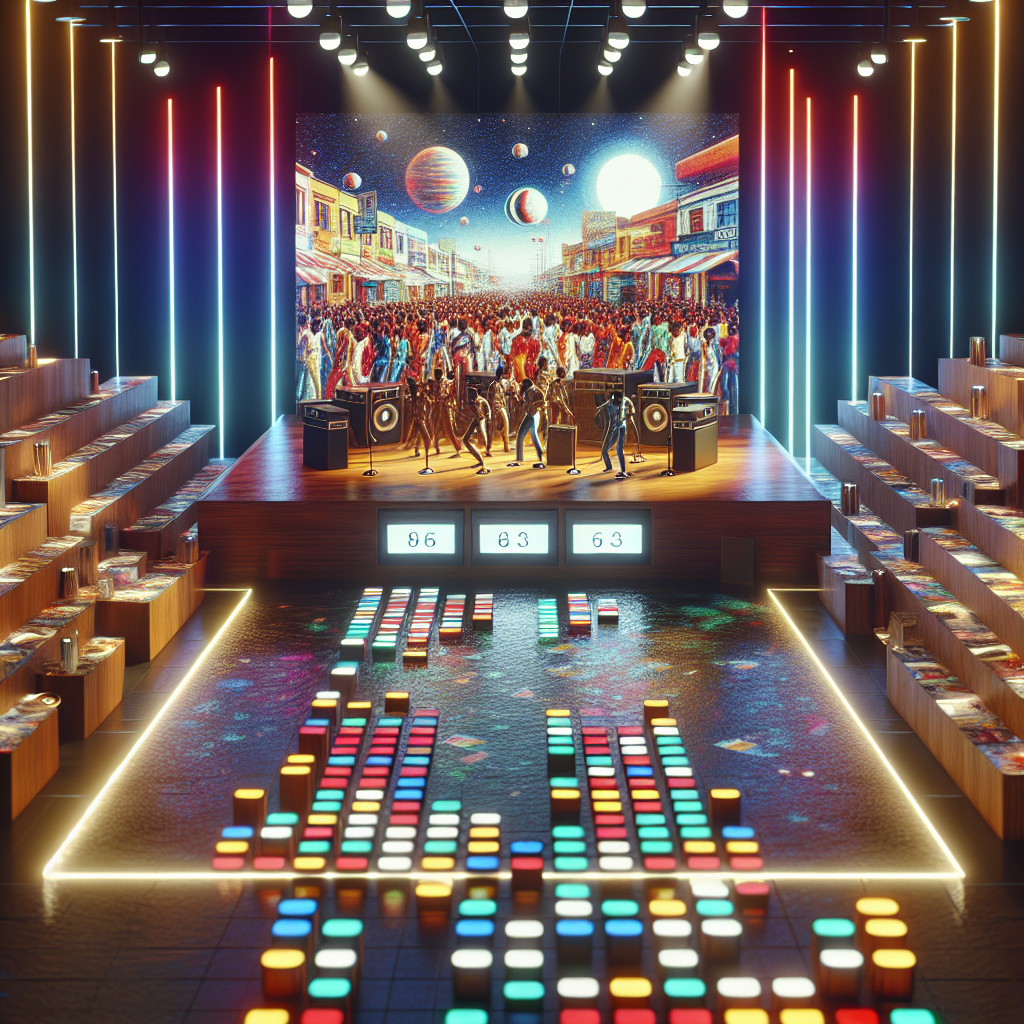

If time travel were possible, the 1980s Lagos music scene would effortlessly lure any modern-day music enthusiast. Picture this: the Nigerian metropolis bustling, an eclectic mix of boogie, pop, and disco reverberating through its pulsating streets, echoing within nightclubs and open-air bars, captivating everyone who came within earshot. This was a period of cultural fusion, political discourse, and vibrant creativity rising from the heart of Africa. It was a time when the global exchange of music was bustling, and Nigeria was not merely receiving but was actively contributing to the global groove.
This magic was encapsulated in the compilation album "Doing It In Lagos: Boogie, Pop & Disco in 1980s Nigeria." The anthology shines a light on an era that boldly embraced the rhythmic beats and electronic mixes that defined an entire genre. But this was more than just a musical explosion. It was a movement, a collective heartbeat of a generation embracing changes, both socio-political and cultural. The 1980s were challenging, with Nigeria grappling with shifts in political power and economic instability. Despite these challenges, Lagos became a cultural hub bustling with creativity and innovation.
This period, often referred to as the ‘Golden Age’ of music in Nigeria, saw musicians infuse global sounds with local rhythms, creating a unique, eclectic style. Musicians like Dizzy K, Christy Essien-Igbokwe, and many others mastered this mix, propelling Nigerian music into a new era. Such artists were inspired not only by Western influences but were also deeply rooted in their heritage. This blend produced sounds that were both catchy and profound, evoking pleasure on the dance floor while surfacing deeper narratives of identity and resistance.
Interestingly, the dialectical relationship between the appropriation of Western music styles and maintaining indigenous musical roots was symptomatic of the larger socio-political themes of the decade. The 1980s pinned Nigeria’s creative industry against a backdrop of military rule, economic failures, and a thirst for modernization. And yet, musicians boldly stepped into the limelight, creating a soundtrack that captured both the struggles and soaring aspirations of the time. Their work didn’t merely entertain; it articulated a complex dialogue about cultural identity and post-colonial consciousness.
The resurgence of this era’s music today underscores its enduring relevance. Modern artists often sample and are inspired by sounds from this golden era, acknowledging the impactful legacy left by these boogie and disco tracks. Listening to these tunes transports us back to a time when the air was thick with both hope and hardship, and every beat told a deeper story.
‘Doing It In Lagos’ doesn’t just offer sonic experiences; it provides a narrative journey. The album’s resilience speaks to Gen Zer's love for nostalgia, as they are particularly attuned to cultural retrospection, diving into decades before their birth to grasp pieces of history. Whether seeking dancefloor hits or revolutionary anthems, this compilation is a time capsule, preserving sounds that shaped a nation’s cultural landscape.
Admittedly, some may argue that the commercialization of music from this period undermines its authenticity and dilutes its revolutionary energy. There’s a legitimate concern that reviving these tracks predominantly for dance rather than discourse might strip away their original context. While it is essential to acknowledge this perspective, there’s beauty in the music’s ability to both entertain and educate, to serve contemporary realities while honoring the ideological struggles encapsulated therein.
In exploring this compilation, one realizes how the 1980s music genre laid the groundwork for many modern sounds gleefully enjoyed today. The dazzling energy and inventiveness of that period taught us crucial lessons about perseverance, global unity through music, and the fearless pursuit of creative expression amidst turmoil. It was a period of evolutionary change that reverberates into today’s music scene, providing a reference point for cultural innovation and excellence.
The legacy of 1980s Lagos resonates because it is a multifaceted narrative of resilience, artistic brilliance, and a commitment to cultural preservation. As modern-day global citizens, there is much we can glean from artists who championed individuality and creativity, even amidst socio-political adversity. It’s a reminder that the arts will always find a way to transcend barriers, create dialogues, and ignite movements.