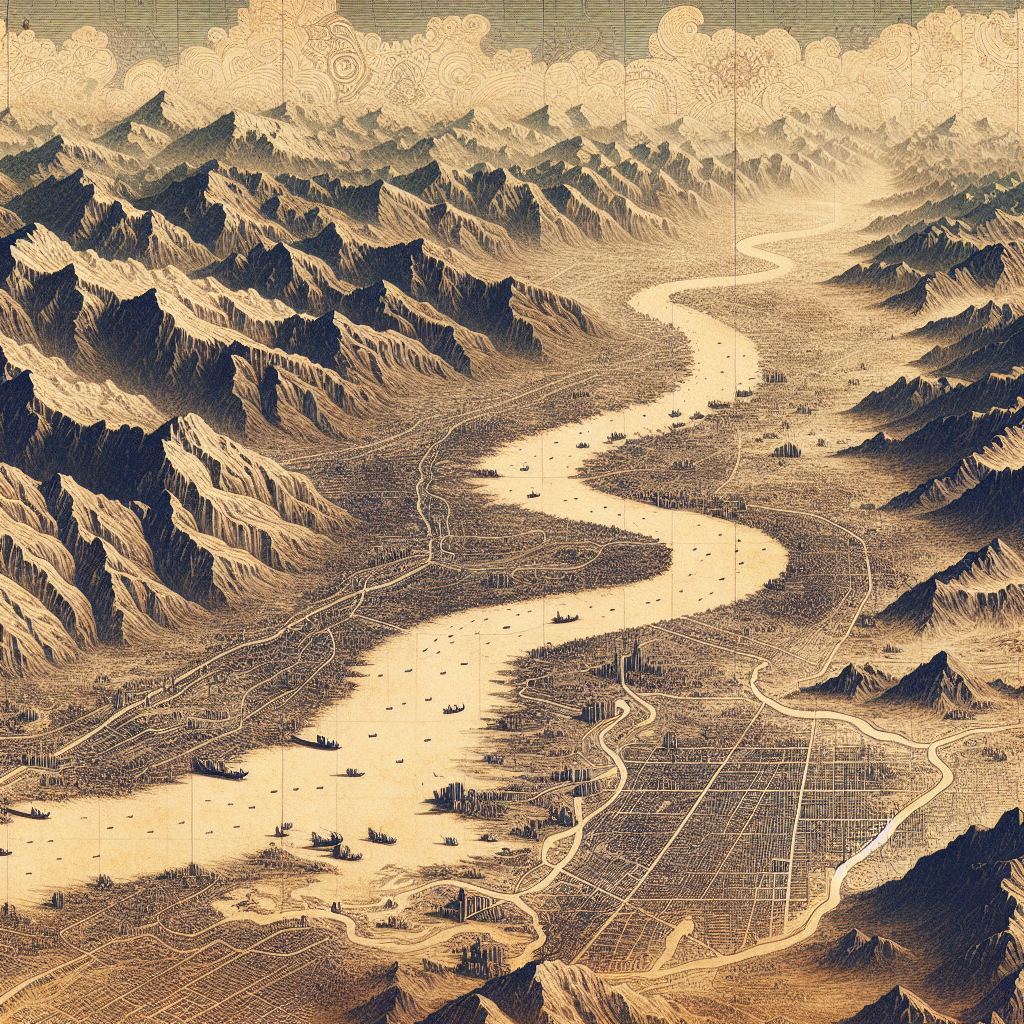

Once upon a time, if rivers could tell tales, the Dikhow River would certainly have some fascinating stories to share. Flowing quietly through the northeastern state of Assam in India, the Dikhow River is a lesser-known water body that winds through serene landscapes and vibrant cultures. Originating from the heady heights of the Naga Hills, this river makes its contribution to the lifeblood of Assam by joining the Brahmaputra Basin, eventually emptying into the mighty Brahmaputra River. The Dikhow flows predominantly through the districts of Sivasagar and parts of Nagaland, creating enchanting scenes of reflection and life along its shores.
For many in Assam, the Dikhow is not just a river but a crucial part of everyday life. It nurtures communities, nourishes agriculture, and is fundamentally intertwined with the cultural ethos of the area. Its banks have seen age-old traditions pass from generation to generation, with local festivals adding a burst of color to the surrounding landscapes. Such festivities often invoke gratitude towards the river, particularly during harvest seasons when its waters sustain the lush paddy fields and rich green landscapes that stretch as far as the eye can see.
While the beauty and cultural significance of the Dikhow River cannot be overstated, it is not without its challenges. Over the years, concerns about pollution have emerged. Rapid urbanization and expansion in towns along the river have unfortunately led to increasing levels of pollutants finding their way into the waterways. Discharged wastes, whether from domestic sources or burgeoning industries, pose a growing threat to the health of the river’s ecosystem.
The nurturer has become jeopardized, and environmentalists sound alarms over the state of the river. However, it’s important to recognize that these concerns do not exist in a vacuum. Local communities often depend on these industries for employment and economic stability. Closing down factories or drastically altering practices is not as simple as flipping a switch; it involves deeply ingrained socio-economic fabrics that need careful unweaving and reweaving.
Nevertheless, there’s a growing movement among younger generations, especially Gen Z activists, to protect and restore the river's purity. They leverage social media to spread awareness and call for action against pollutive practices. Their passion for environmental justice reflects broader global movements where young voices demand sustainable change and responsibility from those in power. These efforts aim to balance progress with preservation, ensuring that economic growth doesn’t come at an irreversible cost to nature.
At the heart of this lies a push for innovative solutions that marry modern technology with sustainable practices. Projects harnessing clean energy and developing efficient waste management systems could promise a win-win situation. There’s optimism that with perseverance and ingenuity, the Dikhow might once again return to being the clean, life-sustaining force it once was.
Understanding the varying perspectives on this issue is essential. It echoes a universal challenge: how to navigate the space between development and environmental preservation. Those who see the river as a source of survival and those viewing it as a canvas of cultural expression both have valid points. A collaborative approach is key, ensuring that everyone sits at the table to carve out realistic, inclusive solutions.
The Dikhow River is an emblem of the interconnectedness of natural beauty, cultural tradition, and modern-day socioeconomic realities. Preserving it isn't merely an environmental challenge; it’s a testament to human adaptability and resilience. There's a deeper lesson here about harmony — living in a way that doesn’t simply exploit nature but enhances it.
As the river’s waters continue their timeless journey, they serve as a reminder of the narratives that flow with them. The stories of villages, traditions, and lives interconnected through time. Through its ebbs and flows, the Dikhow teaches lessons of balance, patience, and foresight. And maybe, just maybe, it teaches us that our stories, much like the river, are worth preserving in their purest form.