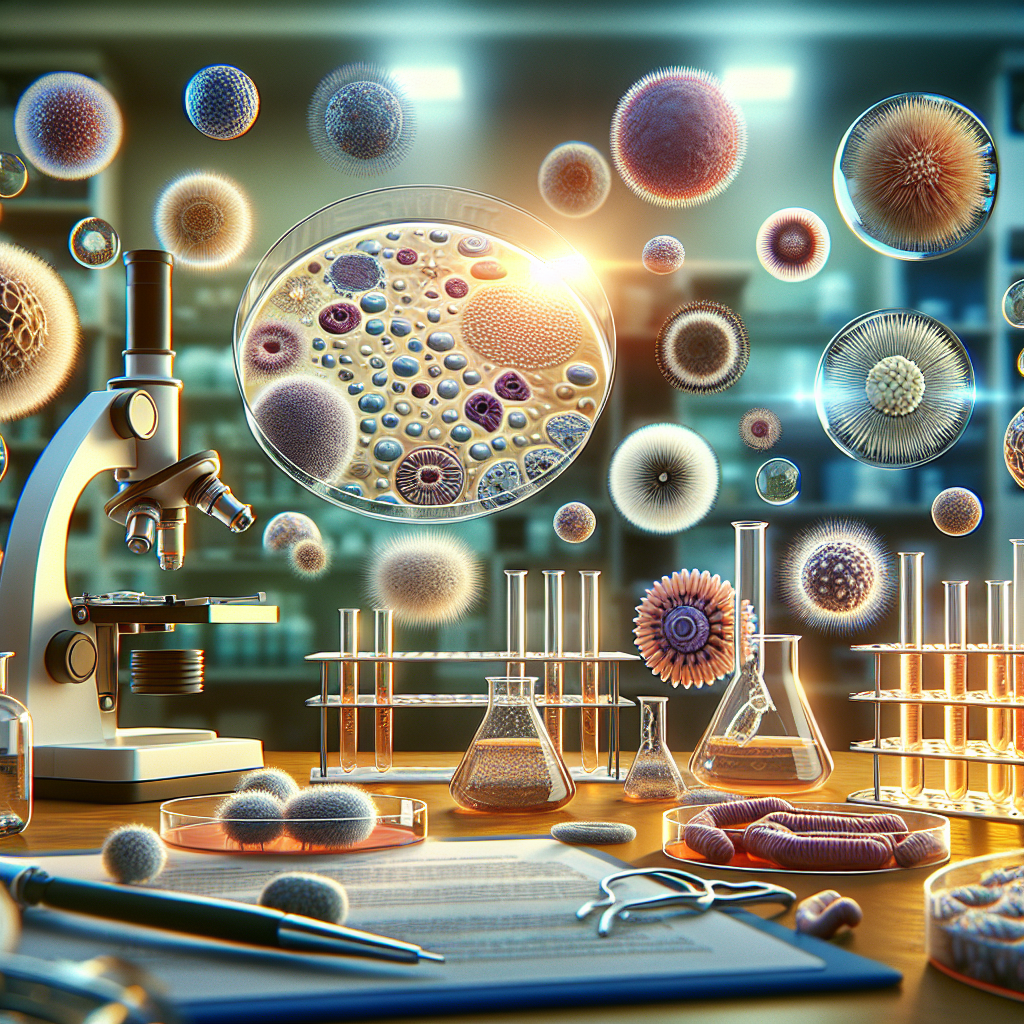

If you think of 'culture plate' and imagine an international buffet, you're not alone! Yet, the culture plate, much to foodie disappointment, isn't an array of global delicacies but a crucial tool in the scientific realm. Developed in the 19th century, it's been a game-changer for microbiologists and researchers seeking to understand and manipulate microorganisms. Whether they're buzzing away in a lab in your local university or in the headquarters of a biotech company, culture plates are where the magic, or rather the science, happens.
The culture plate, often referred to as a Petri dish, is a shallow, circular dish, typically made of glass or plastic. It's filled with a nutrient-rich medium that provides the necessary environment for bacterial and fungal colonies to grow. This nifty little plate has been fundamental in breakthroughs from medication development to food safety testing. Alexander Fleming, anyone? But beyond the lab, the implications of what starts on a culture plate extend into medicine, agriculture, and even climate change solutions.
Now, this unassuming dish isn't just about growing your run-of-the-mill bacteria. It's about discovering new antibiotic strains and understanding pathogen behavior. With antibiotic resistance on the rise, culture plates help scientists identify alternative treatments, which is crucial as we navigate this pressing global health issue.
In some circles, there are concerns about biotechnological research leading to unintended consequences. The ethicists debating at coffee shops and science forums argue about the potential risks of pushing microbial studies beyond natural boundaries. While some fear the creation of superbugs, others believe that the controlled environment of culture plates allows for safe exploration. Both sides agree on its essential role in addressing food shortages and developing bacteria that can degrade plastics or consume pollution.
Culture plates are also pivotal in the GMO debate. With more stakeholders questioning what ends up on their plate, literally and metaphorically, the data originating from culture plate experiments offers assurances. They illustrate how modifications can improve crop yield and disease resistance without adverse effects on human health and biodiversity.
For the eco-conscious Gen Z, the culture plate represents a future of possibilities. Scientists are investigating how to employ microorganisms grown on these plates to address environmental issues. Think about bacteria engineered to break down oil spills or produce biodegradable plastics. There's potential for significant reductions in industrial waste and a curtailment of our hefty carbon footprint.
Critics point out the commercial interests intertwined with microbial research. Large companies often hold the patents on specific bacterial strains, causing concern over access and affordability. There's an ongoing tension between market-driven motives and the public good. Yet, many researchers work outside of these commercial constraints, driven by the genuine aspiration to contribute to a sustainable future.
The culture plate, though simple in appearance, is a beacon of innovation. Its impact on public health, environmental sustainability, and agriculture can shape the society of tomorrow. As newer generations grow increasingly aware of the issues facing our planet, the culture plate's role as an entry point to solutions will likely expand. It's a testament to the blend of curiosity and science in action, promising to deliver not just what’s needed today, but paving a path for generations to come.