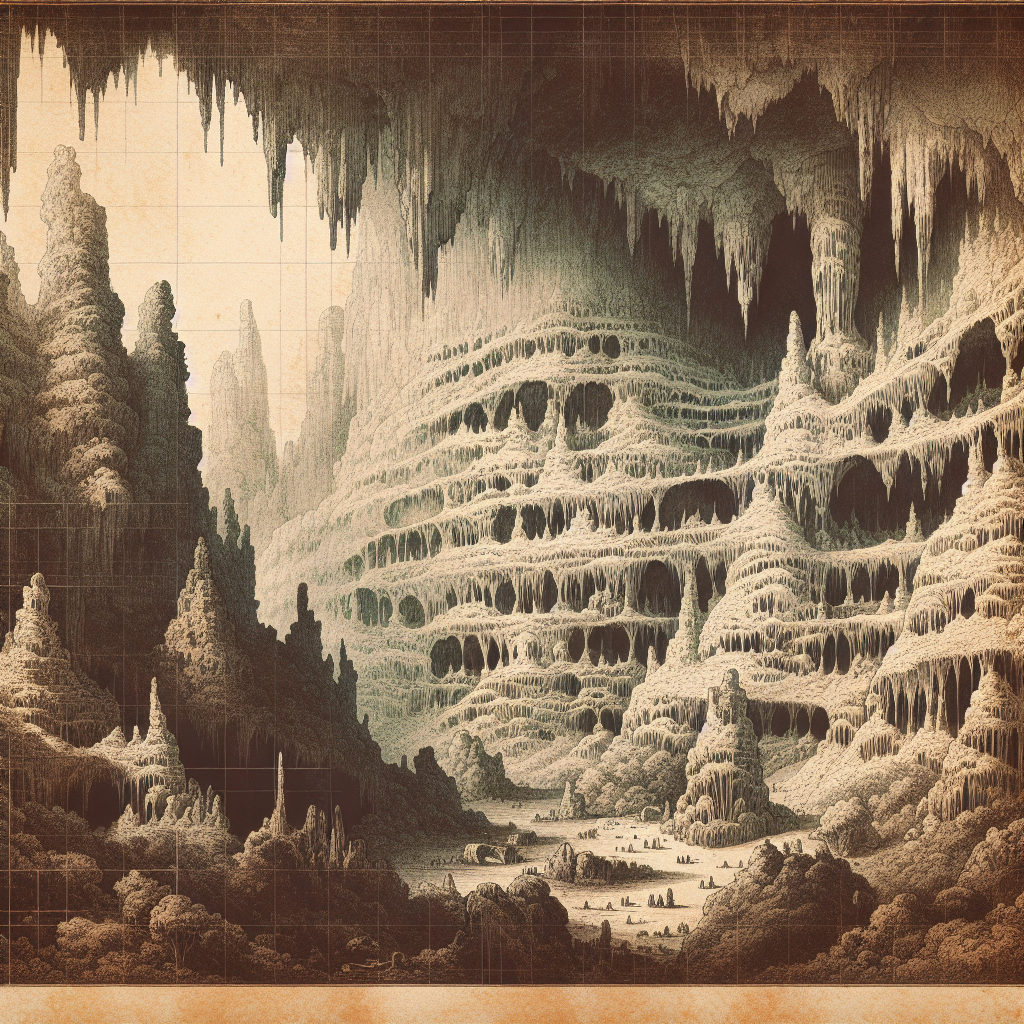

Stumbling upon a hidden treasure in the heart of Andalusia feels like stepping into a mystical time capsule. Cueva de la Pileta, located just outside the picturesque town of Benaoján in Southern Spain, is a breathtaking cave crowned with prehistoric art that dates back around 20,000 years. Discovered accidentally in 1905 by a local farmer named José Bullón Lobato, this natural wonder is an important archaeological site and a brilliant testament to human creativity and survival during the Paleolithic era.
Walking through Cueva de la Pileta is like wandering through an ancient art gallery, where the walls display paintings and engravings created by our distant ancestors. These images reveal a window into their lives, portraying animals like horses and fish, intertwined with geometric symbols whose meanings remain elusive to modern interpreters. The cave's enthralling art connects us with the past and prompts a deep appreciation for enduring human expression.
One can't help but wonder about the people who made these drawings. From another perspective, knowing that they used nothing but rudimentary tools and natural pigments to produce such vibrant and lasting images is awe-inspiring. It's pretty easy to see the cave as an early form of human communication, a way to share stories, beliefs, and traditions without speaking. These artistic expressions speak volumes about how deeply rooted creativity is in human nature.
The discovery of Cueva de la Pileta was magnificent, but one can't ignore the broader implications of preserving such sites. Balancing the interest in studying and experiencing this historic splendor with the need to protect it for future generations is a challenge scientists and conservationists continue to grapple with. There are often debates about how accessible such a fragile site should be to the public. On one hand, we have the desire to share this human heritage with as wide an audience as possible. On the other hand, there’s an understanding that excessive foot traffic and exposure could damage these irreplaceable relics. With climate change creeping its influential fingers over everything, preserving our history becomes increasingly important.
It’s a tricky situation, to say the least. There are those who argue that keeping the cave relatively unknown limits the potential for tourism and, with it, economic benefits that might help the local community thrive. Other local voices might express concern over any form of mass access, not wanting to risk losing their ancestral stories to the wear and tear of everyday visitors. The cave, with all its quiet whispers from the past, stands as a vibrant example of how we should prioritize the delicate dance between appreciation and conservation.
In terms of human history, connecting the cave paintings to their creators is like piecing together an engrossing jigsaw puzzle. What drove these ancient people to venture into the dark, damp recesses of a cave to paint? These actions imply a purpose, perhaps spiritual or ritualistic, beyond mere survival. Such questions drive anthropologists and historians to continue studying these ancient artworks to better understand the evolution of human culture and society.
Cueva de la Pileta is an exceptional site for anyone interested in archaeology, art history, or even those who just enjoy a good mystery. Its approximately 3.7 miles of galleries combine the thrill of exploration with the profound static witness in every inch of the stone walls. Visitors often walk away not only with personal echoes of creativity awakened within them but also with a heightened understanding of mankind's rich, complex past. Standing there, enveloped in the purple and ochre shadows, you're part of a continuum stretching back to the distant past, linked by curiosity and the undying urge to create.
It’s an exciting thought, right? To be standing somewhere that holds the marks of people who lived tens of thousands of years ago. These human touchpoints through the ages remind us of our place in the ever-evolving story of humankind. They invite us to reflect on our history and our future, and in doing so, they make Cueva de la Pileta more than just a shelter. They turn it into a chapter of a much larger narrative, a place that transcends time and societal change.
While Cueva de la Pileta might not always be on the top travel destination lists, it captures the admiration of anyone fortunate enough to experience its depths. The challenge remains to appreciate its fragile beauty, treating it not as a mere artifact from a forgotten time but as a living narrative deserving to be cared for and protected. The spirit of the cave invites present generations to share its stories, not just through words, but also through meaningful actions that preserve and honor this connection to our shared human journey.