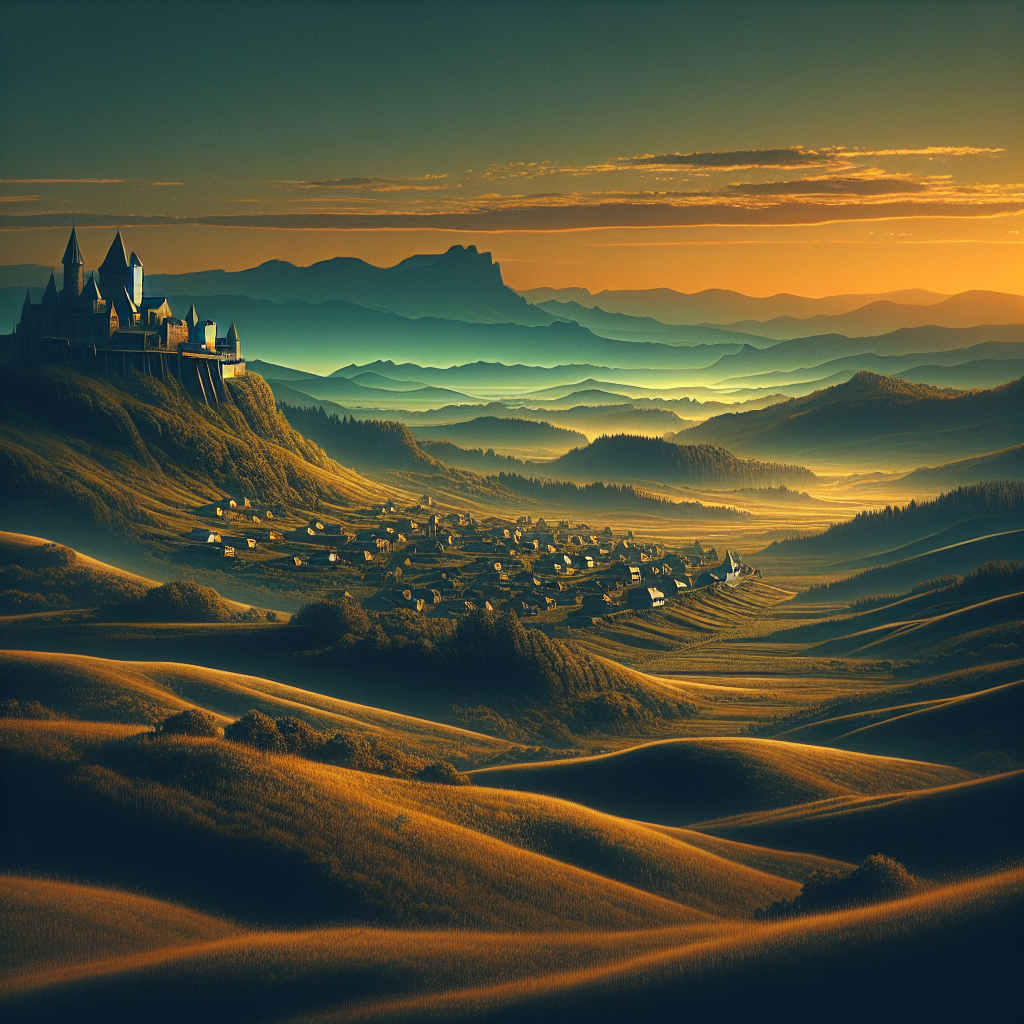

What do you get when you mix a dreamy Kansas skyline, an ancient tale, and a curious little castle in the middle of nowhere? Coronado Heights. Coronado Heights is a quaint hill located in Saline County, Kansas, named after the Spanish explorer Francisco Vázquez de Coronado. This spot has a rich tapestry of history layered beneath its modern-day appeal. Legend has it that Coronado might have traveled near the hill in the 16th century. But in the 1930s, the Works Progress Administration decided to crank up the area's allure by constructing the modest stone castle we see today.
Every stone of the castle has a story, echoing the determination and hard work of the laborers during the Great Depression. The rock fortress stands proudly atop Coronado Heights, offering a panoramic view that feels like you can see all of Kansas stretching out to the horizon. It's as if you're standing at the edge of history, gazing over land that was once trod by explorers seeking the elusive treasures of the New World.
For Gen Z, who might relate more to digital culture than dirt paths, Coronado Heights provides an escape into a simplistic kind of adventure. It's a place where history holds hands with nature. But it also raises thoughtful questions about the tales we choose to preserve and their effects. There's charm in climbing through the stone spiral staircase and capturing moments where the sky kisses the land. The internet, with its endless distractions, makes us often overlook these simple joys.
Behind the beautiful brickwork, conversations persist about how history is interpreted and who gets to tell the story. As history buffs revel in potential connections to Coronado's expeditions, skeptics point out the lack of concrete evidence proving he was ever on that hill. This discussion ties into broader debates about historical accuracy and the narratives surrounding exploration and colonization. Coronado Heights becomes a kind of canvas where stories are painted with both vibrant colors and shadows of truth.
As we marvel at the structure's integrity, built from local Dakota limestone, we are faced with pools of reflection about those who truly shaped America. Native Americans lived and thrived on these lands long before European explorers arrived. The hill, therefore, isn’t just about Coronado; it’s also a testimony to the dramatically altered landscapes and cultures following European contact. This angle can sometimes be skimmed over in more traditional historical retellings, leading to an imbalance that younger generations feel the need to correct.
The current roles and uses of Coronado Heights are as diverse as its past narratives. Couples come for romantic picnics, families for open-air fun, and yes, people Instagram it all. It's a magnet for locals and travelers searching for a slice of serenity and historical musing. This multifunctional space embraces curiosity and contemplation, providing a playground and a ponder spot all at once. It's a reminder that nature and history need space to breathe, even in our fast-paced world.
With policymakers today grappling with how to preserve public lands, Coronado Heights embodies both the triumphs and challenges of maintaining historical sites while ensuring relevance for today’s audience. The allure of the hill is in its simplicity and accessibility — it’s open to everyone with an adventurous spirit and free time. Some argue that more should be done in terms of community engagement and educational programming. Others say its charm is in its informality, in being a place where one can just be present without an agenda.
Balancing the interests of preservation, tourism, and education often mirrors broader societal issues Gen Z is eager to tackle. It speaks to sustainability — preserving heritage not just physically, but also in the collective memory, while inviting new interpretations and connections.
Appreciating places like Coronado Heights pushes us to look between legends and facts. It challenges us to acknowledge the narratives that have been amplified and those that have been silenced. Visiting the hill is both a remembrance of paths once traveled and a pledge to maintain open dialogues about history. There’s something revolutionary in the simple act of visiting a place so laden with stories. Amid the winds that sweep over the Kansas plains, Coronado Heights encourages us to empathize, to imagine, and to keep asking questions.