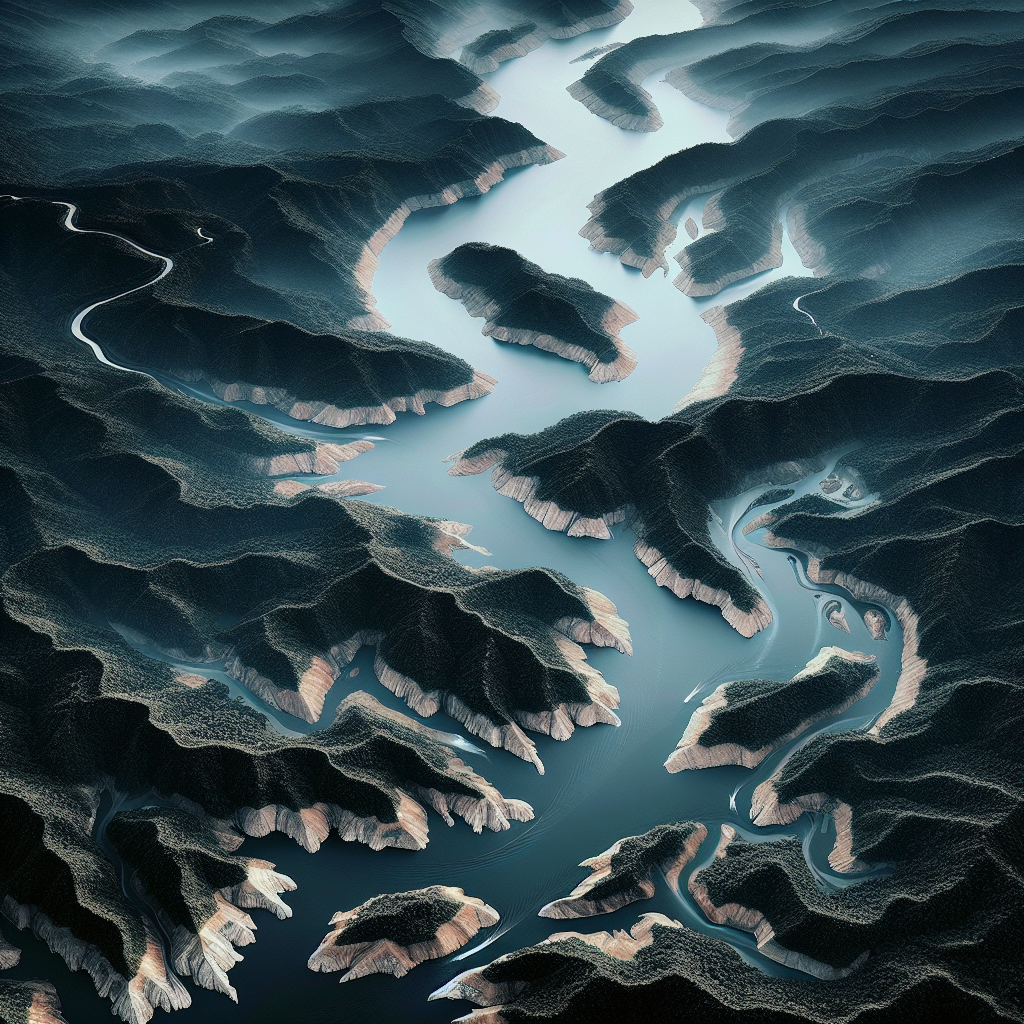

The Congo River, an aquatic juggernaut slicing through lush green landscapes in Central Africa, is not just a river—it's a corridor of history, stories, and secrets. Who could have imagined that this powerful flow, which inspired Joseph Conrad’s dark tale of madness and colonial critique titled 'Heart of Darkness,' would continue to be an emblem of intrigue and beauty, centuries later? It stretches over 4,700 kilometers (2,920 miles), embracing both daunting rapids and serene stretches through equatorial rainforests, and impacts millions of lives. From ancient civilizations that flourished along its banks to the cultural renaissance it's birthing today, the Congo River's saga is more than just a geographical journey.
For those fueled by liberal ideals, the Congo River presents both fascination and reflection. It’s a glaring depiction of the colonial past with tangled roots that influenced both people and politics in ways beyond thermodynamic equations of development. Here, nature remains untamed, offering stark lessons in ecological balance and respect for natural resources. It urges conversations about sustainability, about respecting flora and fauna while ensuring the socio-economic upliftment of communities residing by its banks.
Experiencing the Congo is not simply about tackling its geography; it's about engaging with its people. Here reside diverse communities such as the Bantu-speaking ethnic groups and Pygmies, each with their unique stories and harmonies. Their existence is often a testament to resilience, creativity, and adaptation under various environmental, social, and political pressures. As globalization reaches its tendrils into these remote locales, dialogues about cultural preservation versus economic growth become pertinent. Striking middle ground between tradition and modernity forms a part of the staggering challenge and ultimately, progressive discussions materialize around equity and inclusion.
The river has been a witness to the exploitation of an entire continent. Its banks haunted by memories of colonization and vested interests in its rich resources—gold, diamonds, timber, you name it. And yet, standing in 2023, there is reason to question and reflect critically on our roles in continuing these cycles of exploitation. This story doesn’t belong just to the land but to every hand that holds an electric gadget, sourced with minerals from its soil and sweat from its people’s brows. Here’s ground for those interested in aligning with transparent sourcing and fair trade, the time is ripe to acknowledge and act.
Beyond the economic and political narrative lives a world fraught with natural beauty. The Congo Basin encompasses unique ecosystems, housing remarkable biodiversity, from the elusive okapi to the thundering hippopotamus. Preserving these habitats while empowering local communities remains a fragile dance. This dual responsibility calls for stringent action in enforcing conservation laws while fostering opportunities for ecotourism and sustainable development.
As each year passes, climate change's looming shadows grow longer over the Congo River and its fate becomes increasingly tied to global action. The forests around the Congo absorb gigantic amounts of carbon, making them critical players in our fight against climate warming. Advocating for environmental justice here transcends borders, as the river's health directly correlates to the well-being of a globe on the edge.
Discussing conservation is not enough; discussions must evolve into proactive engagement, blending grassroots initiatives with international support. It’s time for a collective questioning of how we consume and live, and determine our narratives and actions to mold a better future.
Not everyone sees things the same way. Some may argue that industrialization is the only path out of poverty for the Congo’s vibrant communities. There's logic in desiring improved infrastructure and services. Yet, the call for development must not drown out cries for responsible, sustainable practices. It's a reminder that progress doesn't have to come at the environment's expense.
As you thread your thoughts around the Congo River, as whimsical or contemplative as they might be, the call for empathy resounds. It’s about looking beyond the 'Heart of Darkness' and seeing the heart of potential beating with hope, healing, and possibility. It means analyzing not just what the river has been through, but what it might become—a beacon of harmony between human progress and the natural world. Whether you find yourself captivated by the region’s historical tapestry or its ecological significance, it remains a site rich with stories waiting to be rewritten. Living in a world teeming with redefining possibilities, the river’s mysteries invite us all to embrace what it has to offer with open minds and open arms.