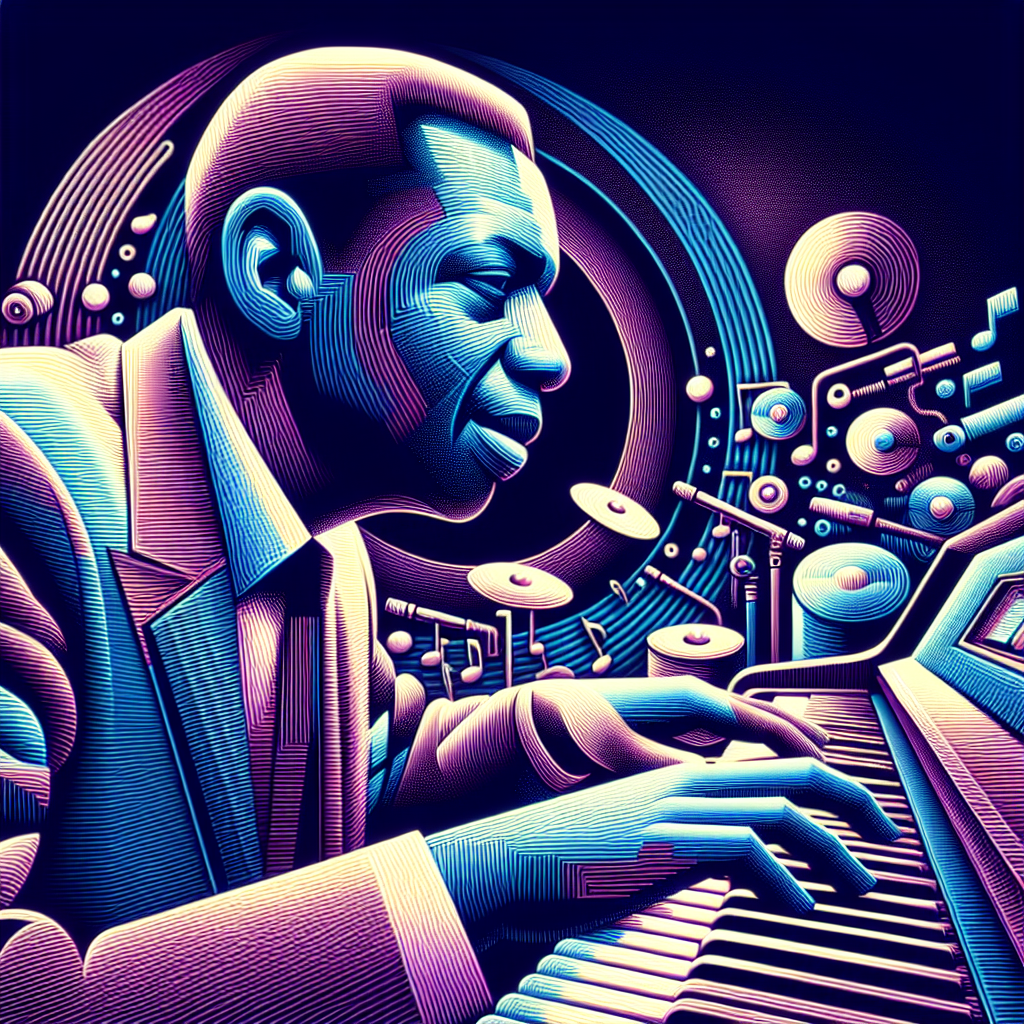

Imagine walking into a world where jazz redefined musical boundaries, where fiery saxophones and spontaneous creativity filled the air. In the vibrant haze of 1940s America, underneath the glitter of popular culture and amidst establishing cultural narratives, a young Charlie Parker took his saxophone and gave birth to a sound that changed jazz forever. This significant shift materialized poignantly in the series of recordings he made for Dial Records between 1945 and 1947, famously known as "Complete Charlie Parker on Dial."
Charlie Parker, universally known as "Bird," was not your average musician. In a society coming out of a global war and entering a Cold War, every note of Bird's playing sparked like a tiny revolution. His sessions at Dial Records in Los Angeles showcase an unparalleled era of jazz, marked by his relentless creativity amid personal struggles and societal expectations. This collection isn't just about music; it's about an era, a spirit, a relentless drive to create something unprecedented.
During this post-war period, jazz was still baking in the crucible of transition. Bebop, a style marked by fast tempos, complex chord progressions, and surprise harmonies, was the new language. Bird, with his fellow pioneers like Dizzy Gillespie and Thelonious Monk, seized this language and asserted themselves against the mainstream jazz of the day. The Dial sessions are a testament to the boldness of youth and new ideas thrusting upward in a time-stricken world.
Parker's foray with Dial Records began in 1945. By then, music was more than just notes; it was an expressive force challenging social and racial constraints. Bird's recordings stretched the ordinary to the extraordinary. Tracks like "A Night in Tunisia" and "Moose the Mooche" break free from traditional structures, as Bird introduced dizzying melodies and unconventional rhythms.
The battle for space and recognition wasn't fought just on concert stages; the recording studio too became a battleground. Behind the scenes, artist struggles were layered with issues like exploitation and insufficient compensation, realities that Parker had to face head-on. The sessions themselves were not without turmoil. It's known that Parker's Dial recordings were marred with episodes of health and addiction problems, shedding light on the highs and lows of genius.
Those Dial sessions, lovingly preserved, echo the societal transformations of their time. Bird's notes cut through the simplicity that the public wanted to see in jazz and instead infused complex, intricate expressions of emotion and intellect. His music was pushing the listeners to think beyond what they knew, introducing a raw, new dimension to American culture.
Yet applause and appreciation were hard-fought victories. For Parker, the road was frequently rocky; despite the brilliance of his music, the applause often came intertwined with struggle. His tunes speak to everyone looking to break free of molds and question norms. Bird was not just making music; he was speaking to the hearts of a generation that resonated with change.
The echoing genius of Parker rises above racial barriers, a feat not easily achieved in those times of segregation. Here's a man who, despite personal and societal challenges, created some of the most exciting music of his era. Each track from the Dial sessions carries you into an adventure, shows you how music can transcend logic and communicate something deeply human.
Today's Gen Z, rarely detached from their beloved streaming services, still finds Bird's music alive and relevant. Perhaps it's the rebellious streak portrayed by Bebop that echoes with the waves of today’s youth, or maybe it’s Bird's relentless dynamism. In his time, he might have faced stumbling blocks of race, societal sidesteps, and personal battles, but his absolute dedication shines even sixty years later.
There is a beauty in realizing how bebop leapt like a phoenix amid a world grappling with change. Parker crafted chaotically structured symphonies out of a turbulent society and turned personal adversity into a cultural revolution. It teaches us that even from life's tangled knots, you can orchestrate the melody of innovation and progress. Bird's Dial sessions aren’t just about nostalgia. They're about hope, about taking all that is complex and making it beautifully complicated.
Listening to these tracks today, one might debate if we remain open to genius rawness like Parker's. Are we consigning our creative spirit to streaming algorithms or are we listening to the defiant voice of Bird reminding us to stay true to the beat of our drum? Maybe Gen Z, with all its earnest calls for change, is the audience Parker deserves: a cohort with ears finely tuned to creativity, complexity, and fresh challenges.
"Complete Charlie Parker on Dial" isn’t simply a museum piece; it is a living testament to defiance, the breaking of barriers, and the embracing of change. Bird doesn’t just play jazz, he invites you into a rebellious dance, and centuries later, his music continues to resonate through time, asking questions and offering no apologies.