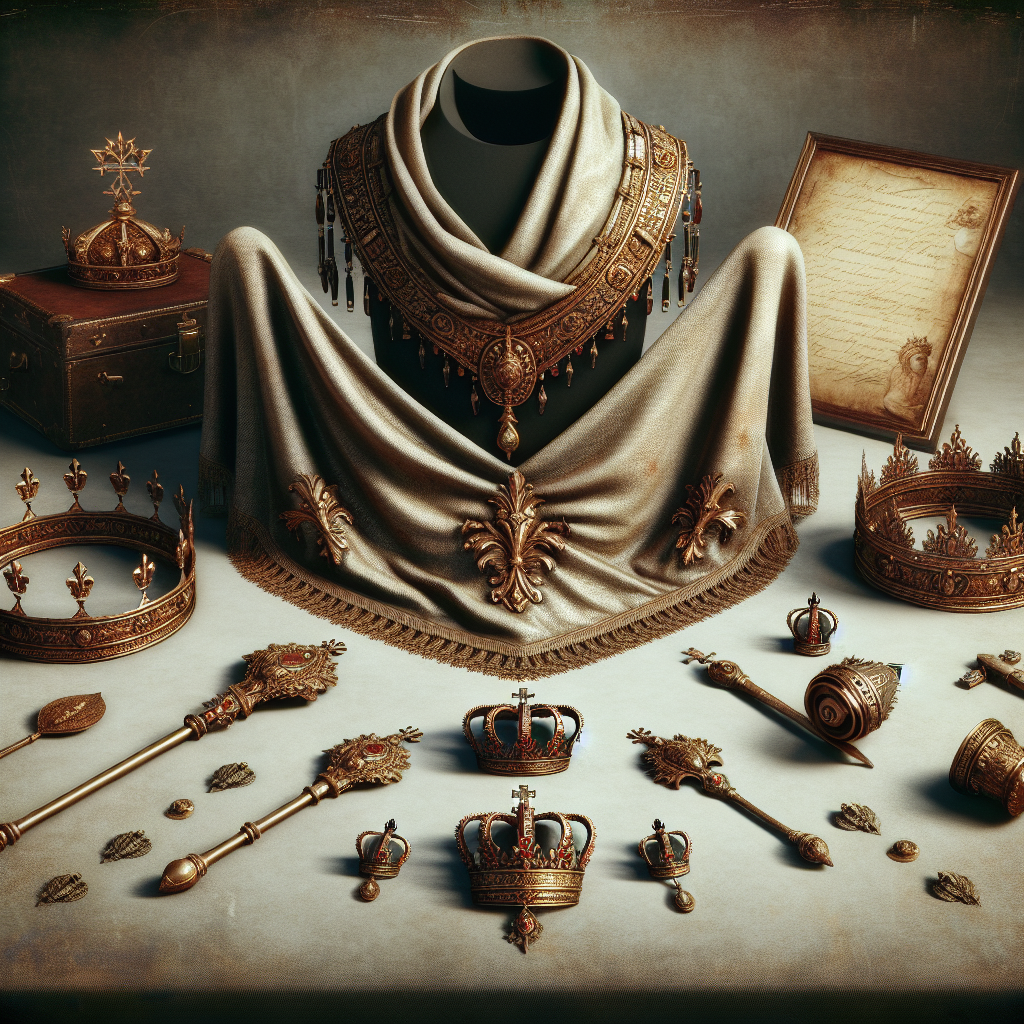

Imagine a garment so steeped in tradition that it turns a grown adult into literal royalty. That's the Colobium Sindonis for you, decking out Britain's royalty during their most historic occasions—coronation ceremonies—right since the 12th century. Worn under the glittering robes of state, the Colobium Sindonis is an unexpected star in the regal ensemble. It's simple, made of white linen and symbolic of purity. But it holds a hidden meaning that cuts through countless layers of historic opulence. While the world might focus on the crowns and swaths of velvet, this humble piece of clothing continues to fascinate historians.
The term “Colobium Sindonis” is fantastically obscure to most people, but its history is where things get intriguing. Who would guess that underneath all those dazzling jewels and heavy robes, there's this plain linen shirt? It's the unsung hero of royal fashion, designed without sleeves and essentially shapeless. Unlike the remaining majestic attire, its simplicity conveys humility and the spiritual responsibilities that come with the crown. It's like saying, 'Hey, you're royalty, but don't forget your humanity.' It stands as a striking contrast: the proud bearer of a historical duty that brings a human side back into the dazzling chaos that is a coronation.
Historically, the Colobium Sindonis becomes much more than just a piece of fabric—it becomes a message. Back in medieval times, it symbolized moral purity, a commitment from the King or Queen to serve their people, reminiscent of Christ's humility. That's a lot to borrow from a simple white garment, but that’s what makes it important. Its presence has prevented crowns from becoming empty ornaments of power for centuries. Today, the symbolism isn't lost. Though we live in times when many question the relevance of monarchy, the need for genuine leadership remains. Wearing the Colobium Sindonis reminds the individual that such power is a mantle of service rather than privilege.
The age-old traditions of royalty evoke both fascination and criticism. There's a part of the world captured by the drama, spectacle, and charm of royalty. Yet, at the same time, there are choir calls for more accountability and transparency as governments struggle to treat everyone with equal footing. That’s the real tension today—how can one justify the expensive pageantry that accompanies monarchies? The Colobium Sindonis, ironically, stands as a symbol of equalization amidst all the contradiction. It's fascinating how this simple shirt fuels discussions about class and leadership. In a world increasingly critical of traditional power structures, showcasing humility can actually be pretty revolutionary.
When Queen Elizabeth II wore the Colobium Sindonis during her 1953 coronation, she was taking part in a tradition that has connected British monarchs through the centuries. It brings into sharp relief the idea that politics and personal morals have always been deeply intertwined. On one hand, the monarchy stands for a certain sense of continuity in British cultural life. On the other, it becomes more challenging to engage with when you worry about taxes and see the wealth disparity growing.
For younger generations, the monarchy may represent an institution that is both fascinating and foreign. In a time of rapid change, where voices are increasingly calling for equality and louder representation, the monarchy's endurance stems from its ability to adapt—even if that means looking back into history occasionally. An old piece of clothing like Colobium Sindonis, with its attached layers of meaning and history, turns into a poignant reminder that even traditions need introspection. Users of Twitter and TikTok casually debate whether the monarchy is outdated. The more rebellious parts of Gen Z may find the age-old practice redundant or bizarre. However, the Colobium Sindonis offers them another lens—one where leadership isn’t about excess but about simple service.
Technology has changed the way people engage with the past. Seeing details from the coronation of Queen Elizabeth II or anticipating the next royal succession via streaming videos and social media allows younger audiences to connect differently. The debate over monarchy today often takes place in a digital space full of memes and hot takes. While some may argue that the monarchy should change to reflect modern values, others argue that traditions like the Colobium Sindonis make it unique. Let’s be honest, looking back can sometimes feel unfashionable or unnecessary. Still, pieces like the Colobium Sindonis remind us of evolution. In this fast-paced digital world, where trends flicker and fade, a centuries-old relic like the Colobium Sindonis holds in balance the importance of stability and change.
At the end of the day, Colobium Sindonis isn’t just a piece of clothing; it serves as a microcosm that reflects larger societal questions. How do we balance tradition and change? Is monarchy still relevant? What meaning do we extract from symbols when they’re weighed against the needs and morals of today’s world? As an evolving society, grappling with where we come from is essential in shaping where we are headed. The Colobium Sindonis, despite its simplicity, ignites these questions in the face of an ever-questioning world.