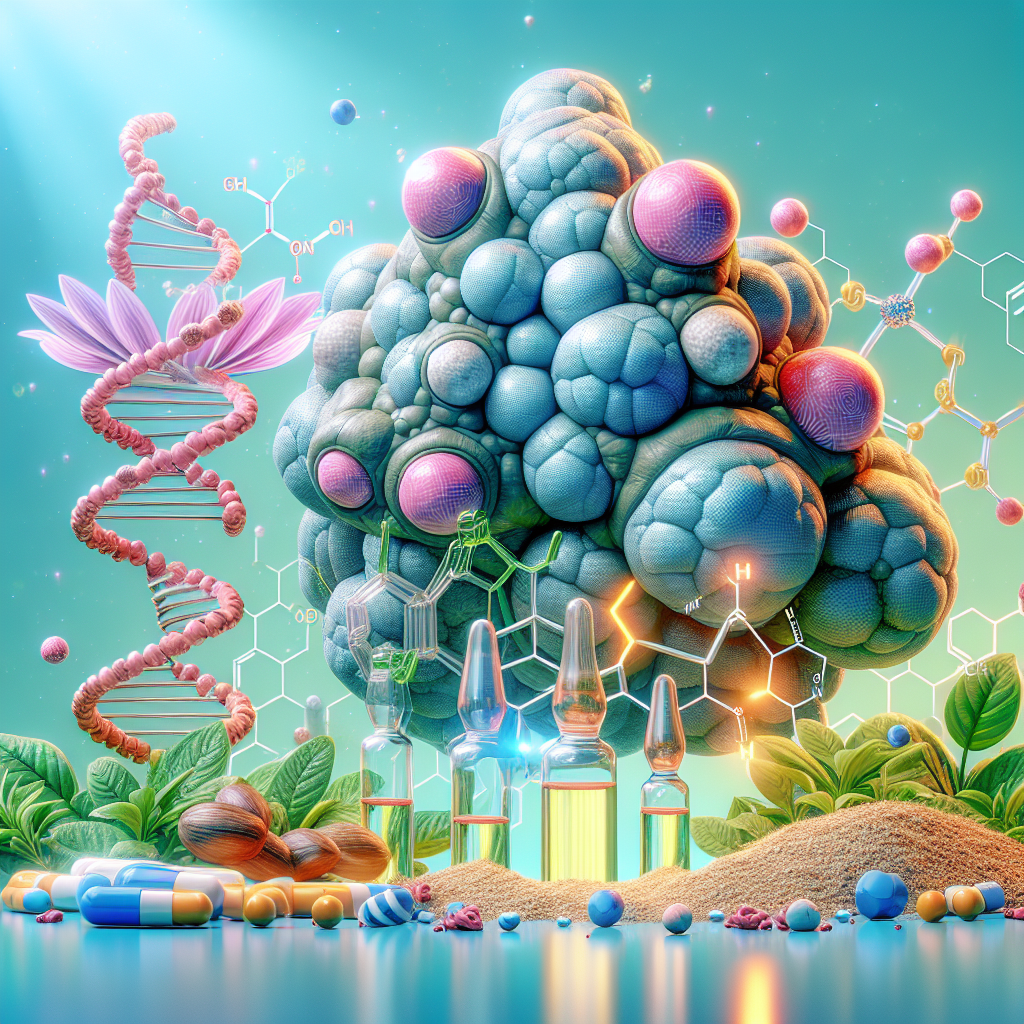

It's not every day you come across a toad that might have implications for cancer treatment. That's right, we're talking about cinobufagin, a compound you might not have heard of — unless you're into traditional Chinese medicine. Hailing from the skin secretions of the giant toad, Bufo bufo gargarizans (what a name!), cinobufagin is grabbing attention for its potential use in modern medicine. While its origins are ancient, its journey to the labs of modern pharmacology is ongoing, highlighting a curious blend of mysticism and science.
Cinobufagin has been utilized in traditional Chinese medicine for centuries, with records suggesting usage as far back as the Han Dynasty. Its proponents believe it can treat various ailments, notably cardiac conditions and even cancer. Despite these claims, the compound's entry into mainstream medicine is still under debate, mainly because reliable scientific research is just catching up.
When we talk about cinobufagin, it's mainly in the context of its purported anti-cancer properties. Research shows it may inhibit cancer growth by preventing proliferation and inducing apoptosis—fancy terms for stopping rapid cell growth and triggering cell death, respectively. This has made it an enticing subject for scientists looking for new, natural cancer treatments. But before you conjure up images of frogs and fairy tales, it's crucial to understand that the research is still in relatively early stages.
The discussions around cinobufagin aren't just about the science. There's also an ethical dimension. Consider the history of Western medicine and its sometimes dismissive stance towards traditional practices. Perceptions are evolving, but there has been skepticism — often politically and culturally tinged — about the validity of traditional remedies. It reflects a broader debate about the integration, respect, and validation of indigenous knowledge and practices within the scientific community.
Historically, there's been a tendency to favor lab-synthesized drugs over traditional, plant, or animal-based remedies in Western medicine. This reflects cultural biases and sometimes, unfortunately, a lack of understanding. But research into cinobufagin might change these attitudes. It symbolizes a larger movement toward integrating traditional knowledge with scientific validation.
Despite its promise, critics point out the lack of extensive clinical trials needed to ensure the effectiveness and safety of cinobufagin. We're talking about a compound that, if mishandled, could be toxic. That's not trivial. Opponents argue it's premature to label it a miracle cure without substantial, peer-reviewed evidence.
Supporters of cinobufagin see the compound as a glimmer of hope in the often-desperate search for more efficient cancer treatments. It highlights nature's potential to offer solutions to even the most complex health challenges. And for Gen Z, witnessing this convergence of ancient wisdom and cutting-edge research is likely inspiring.
For now, cinobufagin remains primarily a subject of curiosity and ongoing research rather than an everyday medication. As science progresses, its place in medicine might become clearer. But whether it becomes a legitimate treatment or remains just an interesting footnote in pharmacological research is still up for debate. The hope is that it inspires more respect and curiosity about the ancient knowledge systems that have shaped—and continue to shape—the world.