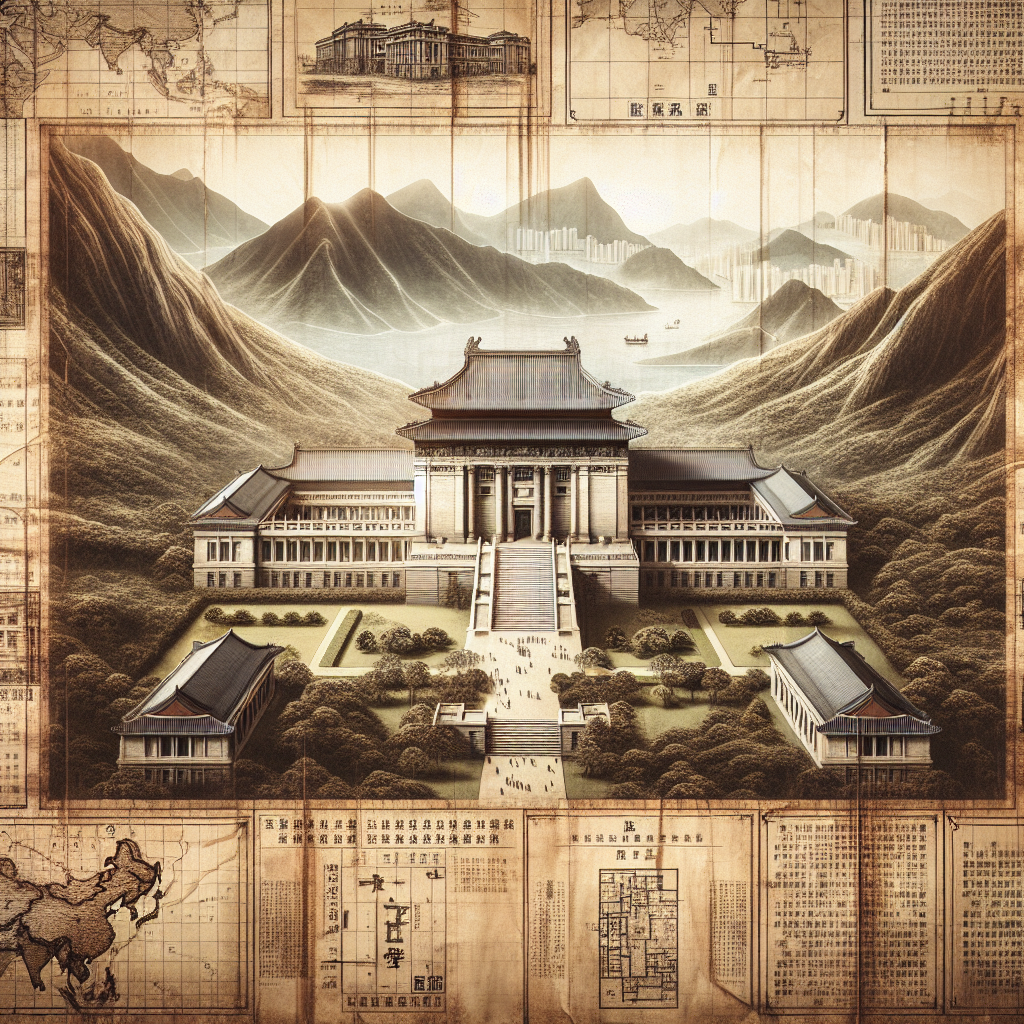

Nestled within the bustling cityscape of Hong Kong is a treasure chest of culture where art and academia collide in a harmonious symphony – the Chinese University of Hong Kong Art Museum. Established in 1971 on the picturesque CUHK campus, this museum endures as a testament to both historical and contemporary Chinese art. It's a place where the past and present convene in delicate brushstrokes and masterful sculptures, inviting explorers from all walks of life to take a closer look.
Visitors here can find themselves face to face with an impressive permanent collection that speaks volumes about Chinese history. From ancient ceramics to intricate textiles, these artifacts are more than museum pieces; they are storytellers that whisper tales of dynasties long gone and cultural evolution. It's easy to find inspiration here, whether you’re an art aficionado or simply curious about the creative processes of different eras.
While the art museum plays a significant role in preserving heritage, it also stands as an academic resource for students and researchers. The museum melds traditional displays with interactive experiences, pushing beyond your typical museum visit. This isn't just a place to view paintings – it's a hub for discussions, workshops, and academic exploration. The museum’s emphasis on education means it often collaborates with CUHK faculties for interdisciplinary projects, reinforcing the idea that art and education are inextricably linked.
Not only does the museum provide a space for artistic expression and education, but it also positions itself as a bridge connecting diverse cultures. Hong Kong, with its vibrant mix of traditions and influences, stands as an emblem of multiculturalism. Through regular exhibitions that feature international artists, CUHK Art Museum opens dialogues between East and West, shattering boundaries and encouraging a broader cultural appreciation.
For the younger generation grappling with a rapidly evolving digital landscape, there's something profoundly grounding about connecting with art. It offers a link to something larger than one’s immediate experience – a reminder of shared histories and futures. Art museums like this one provide an escapade into a world that isn't pixelated but palpably real and tactile. There’s value in appreciating where stories have come from; it provides insights that can forge new paths for storytelling in the future.
Despite the museum's noble intent, there are skeptics who question the modern relevance of such institutions. Why should today's tech-savvy, fast-paced Gen Z devote hours to a museum visit when digital galleries offer instant access? While it’s true VR and AR offer immersive digital tours, the serene environment the CUHK Art Museum provides – a break from screens and feeds – is a kind of luxury only a physical space can afford. The experience of walking among tangible artifacts has a unique charm that digital renderings can't quite capture.
Another criticism is the museum's scope. Does focusing primarily on Chinese art restrict potential audiences who seek diversity? The museum’s defenders argue that by highlighting Chinese culture’s depth, it lays a foundation for meaningful cross-cultural dialogues. Moreover, its international exhibitions prove that the museum doesn’t exist in a cultural vacuum but actively engages with the global art community.
Art museums are dynamic entities, constantly adapting to the social landscape while preserving heritage. At CUHK Art Museum, the traditional beats in rhythm with contemporary currents, offering something significant for everyone, including the socially conscious and those invested in sustainability, as the museum continuously explores themes related to the present world.
This harmonious blend of preservation, education, and innovation makes the Chinese University of Hong Kong Art Museum more than just a cultural institution. It's a reminder of how art continues to inform and inspire across generations, even in an era dominated by instant gratification and fleeting trends.
So, next time you find yourself in Hong Kong, consider pausing your online scrolling and immersing yourself in the tangible, centuries-old narratives housed on that lush, green campus. In an age where future possibilities seem endless and dizzyingly fast-paced, stepping into a space like this might just offer the soulful reprieve and inspiration you're seeking.