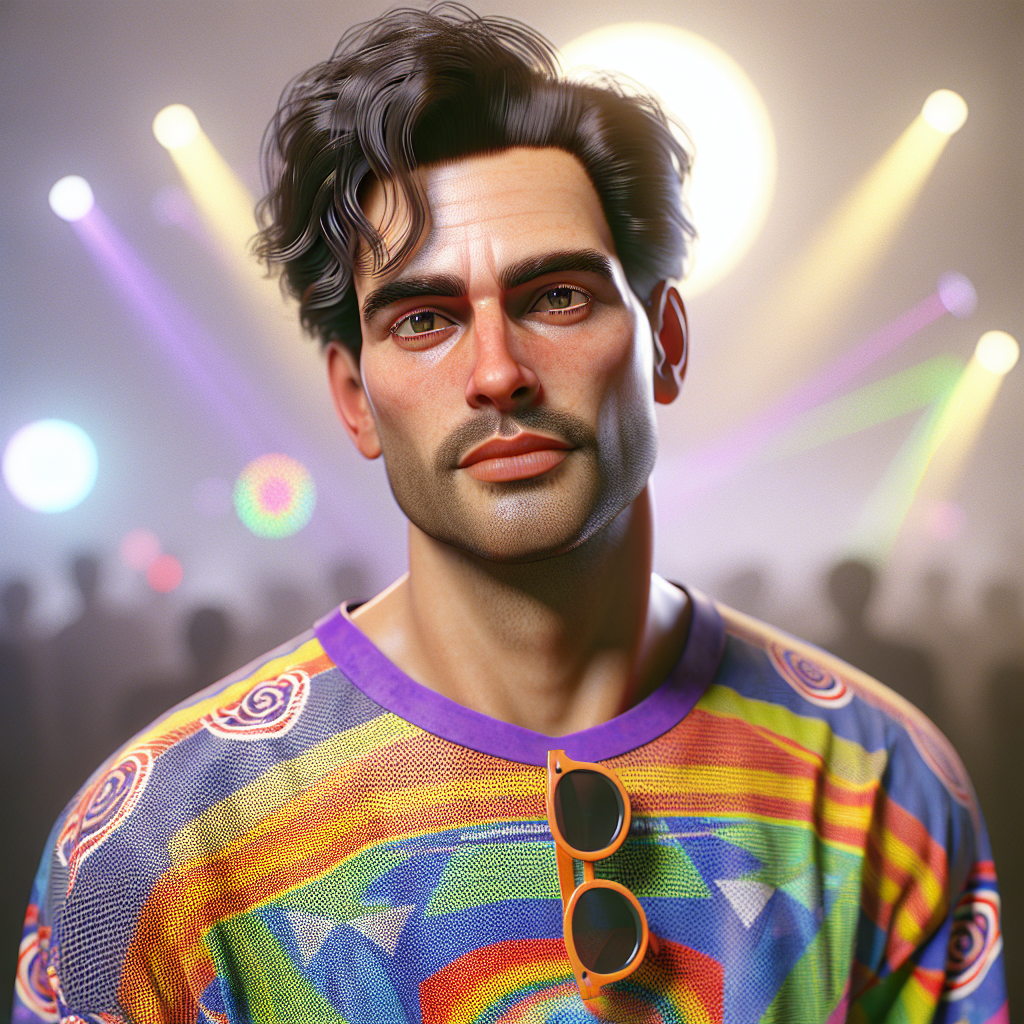

Chimo Bayo: The Iconic Rave Legend of the '90s
In the vibrant and eclectic world of 1990s electronic music, few figures stood out quite like Chimo Bayo. Born in Valencia, Spain, this enigmatic DJ and producer became a symbol of the burgeoning rave culture that swept across Europe during the late '80s and early '90s. Known for his energetic performances and catchy tracks, Bayo's music became the soundtrack for countless nights of dancing and revelry. His most famous hit, "Así Me Gusta A Mí," released in 1991, became an anthem for party-goers, reaching the top of the charts in Spain and gaining popularity in other countries. But what was it about Chimo Bayo that resonated so deeply with the youth of that era?
Chimo Bayo's rise to fame coincided with the explosion of the "Ruta del Bakalao," a clubbing phenomenon in Valencia that attracted young people from all over Spain. This movement was characterized by its hedonistic lifestyle, with clubs staying open from dusk till dawn, and a soundtrack dominated by techno, house, and other electronic genres. Bayo's music, with its infectious beats and playful lyrics, perfectly captured the spirit of this scene. His performances were more than just DJ sets; they were theatrical experiences, complete with costumes, props, and a charismatic stage presence that drew in audiences.
For many, Chimo Bayo represented a form of escapism. The early '90s were a time of significant change in Spain, as the country transitioned from a dictatorship to a democracy. The newfound freedom and optimism were palpable, and the youth were eager to express themselves in new and exciting ways. Bayo's music provided an outlet for this expression, offering a sense of community and belonging to those who felt alienated by traditional societal norms. His lyrics, often nonsensical and humorous, encouraged listeners to let go of their inhibitions and embrace the moment.
However, not everyone was enamored with the rave culture that Chimo Bayo epitomized. Critics argued that the scene promoted drug use and reckless behavior, leading to a moral panic among some sectors of society. The media often portrayed the "Ruta del Bakalao" as a dangerous and corrupting influence on the youth, with sensationalist stories about drug overdoses and wild parties. This negative perception was not entirely unfounded, as the scene did have its darker side. But for many participants, it was a space of liberation and creativity, where they could explore new identities and forge lasting friendships.
Despite the controversy, Chimo Bayo's influence on electronic music and club culture is undeniable. His work paved the way for future generations of DJs and producers, who continue to draw inspiration from his innovative approach to music and performance. Today, his tracks are still played at retro-themed parties and festivals, a testament to their enduring appeal. For those who lived through the era, Chimo Bayo remains a nostalgic reminder of a time when anything seemed possible, and the night was always young.
In reflecting on Chimo Bayo's legacy, it's essential to recognize the dual nature of the rave scene he helped popularize. While it offered a sense of freedom and community, it also faced criticism and challenges. Understanding this complexity allows us to appreciate the cultural impact of figures like Bayo, who dared to push boundaries and create something truly unique. As we look back on the '90s, we can see how the music and movements of that time continue to shape our world today, reminding us of the power of art to inspire change and bring people together.