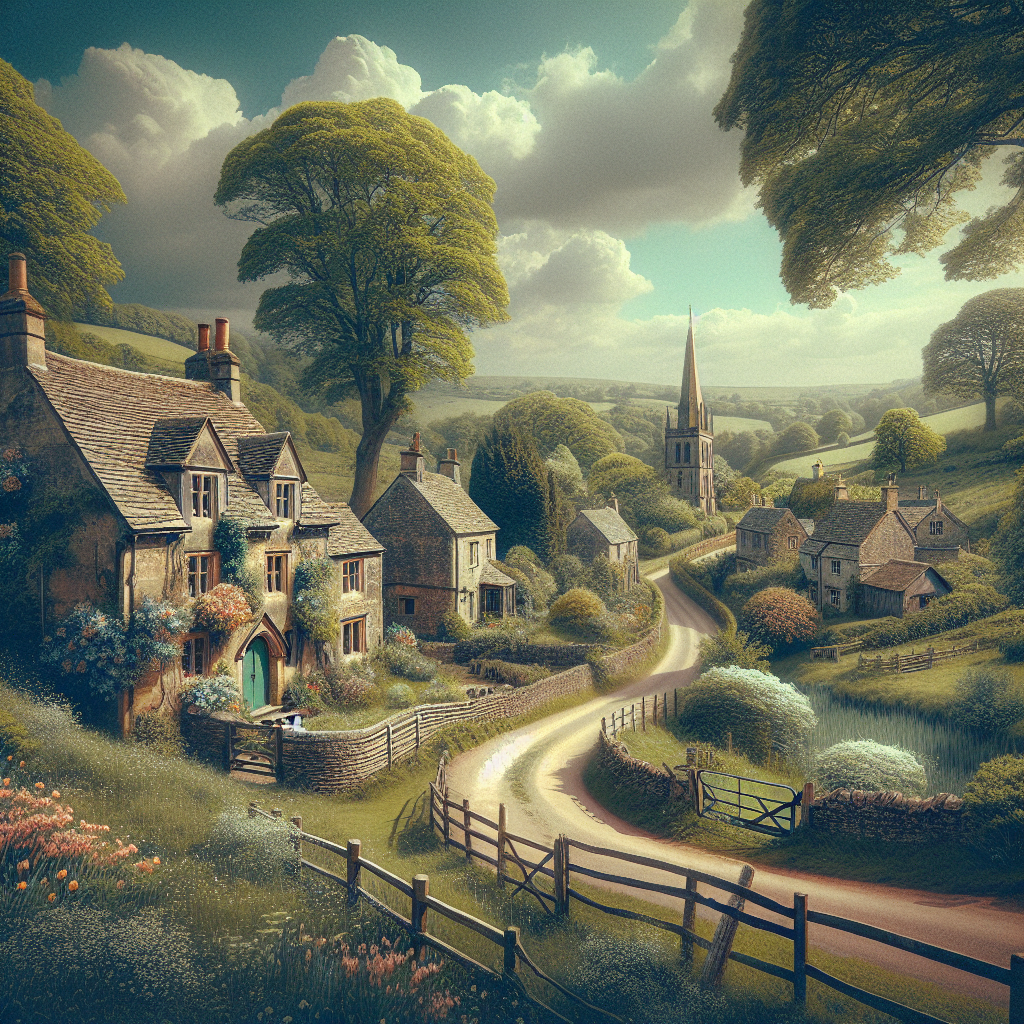

Ever wonder what ties together the quaint and curious threads of England's rural tapestry? Enter Carlford Hundred, a fascinating little slice of Suffolk—that's where—rich in history and community. Hundreds of years ago, during the Anglo-Saxon period, England was divided into 'hundreds', essentially administrative units. Carlford, though maybe less famous compared to its bustling city counterparts, still exudes a charm with its serene landscapes and historical significance.
The concept of dividing land into hundreds dates back to a time when central governance was a little looser, and counties like Suffolk needed smaller chunks of land for easier management. It wasn't just about politics, though; it became a way for communities to foster regional identities and maintain local customs, something dear to our human nature to preserve culture and local flair.
Carlford comprises several parishes, small settlements, each bringing its unique character to the mosaic of the region. From the lush fields to the rolling wooden hills, it's a place where history drapes itself over the land, whispering stories of the past into the ear of anyone willing to pause and listen.
There's something endlessly captivating about this tapestry of old roads and cottages. Exploring Carlford is like meandering through a living history book. Despite its peacefulness today, the area's strategic importance during different eras can't be understated. It speaks of how humanity has always needed to organize, to gather, and to form alliances for survival and stability.
The history enthusiasts amongst us might particularly enjoy tracing the evolution from the early ecclesiastical influence in the area to the agricultural ups and downs that have shaped its economy. In many ways, it resembles a continuous dialogue between land and people, where the future is forever being negotiated by its storied past. There is a palpable kindness in this place, where modernity meets ancient landscapes with gentle familiarity.
In recent years, Carlford Hundred has undergone a kind of rejuvenation. With people increasingly valuing sustainable and slower ways of living, parishes here offer a retreat from the fast-paced city life—a movement that resonates deeply, perhaps even more, with younger generations seeking meaningful connections to their surroundings. It’s not just about retreating from city hustle; it's an active choice for many to root themselves in a location that encourages community ties and enduring relationships.
Let's not overlook the opposing perspective: skepticism about idealizing country life or concerns about the realities of rural economics. It’s true that while some romanticize such places, other voices raise valid points about accessibility, employment opportunities, and the nuances of rural living. Ensuring that Carlford maintains its vibrancy means addressing these concerns head-on, integrating technological advances, and fostering innovation while honoring its historical roots.
Perhaps most notably, Carlford Hundred serves as a testament to the human spirit of adaptation and continuity. As we see global shifts toward ecological mindfulness, regions like Carlford are becoming hotspots for sustainable tourism and organic farming, piquing curiosity and desire among younger generations seeking authenticity in their travels and lifestyle.
It's exciting to think about how Carlford and places like it can serve as microcosms for sustainable futures. With its nurturing character and small-scale economy, it inspires us to envision how people and their environments can coexist harmoniously. Whether you're an avid historian, a nature lover, or an advocate for sustainable living, Carlford Hundred highlights the potential that lies in maintaining a balance between past traditions and future aspirations.
Much of what makes Carlford Hundred so unique is its willingness to foster a sense of belonging. It's about community as much as it is about individual histories. Generations live together, intertwined with land that's seen kings and farmers, wars and peace, the ebb and flow of growth, and decline.
The key takeaway for all of us might be the importance of adaptability without losing sight of where we've come from. It makes us think about finding our place in this world, understanding history's lessons while sculpting a future tailored to the values we hold dear. If Carlford Hundred teaches us anything, it is that there is beauty in integrating the old with the new, forging pathways that don't just lead us somewhere, but lead us back to the core of what it means to be connected in this ever-evolving world.