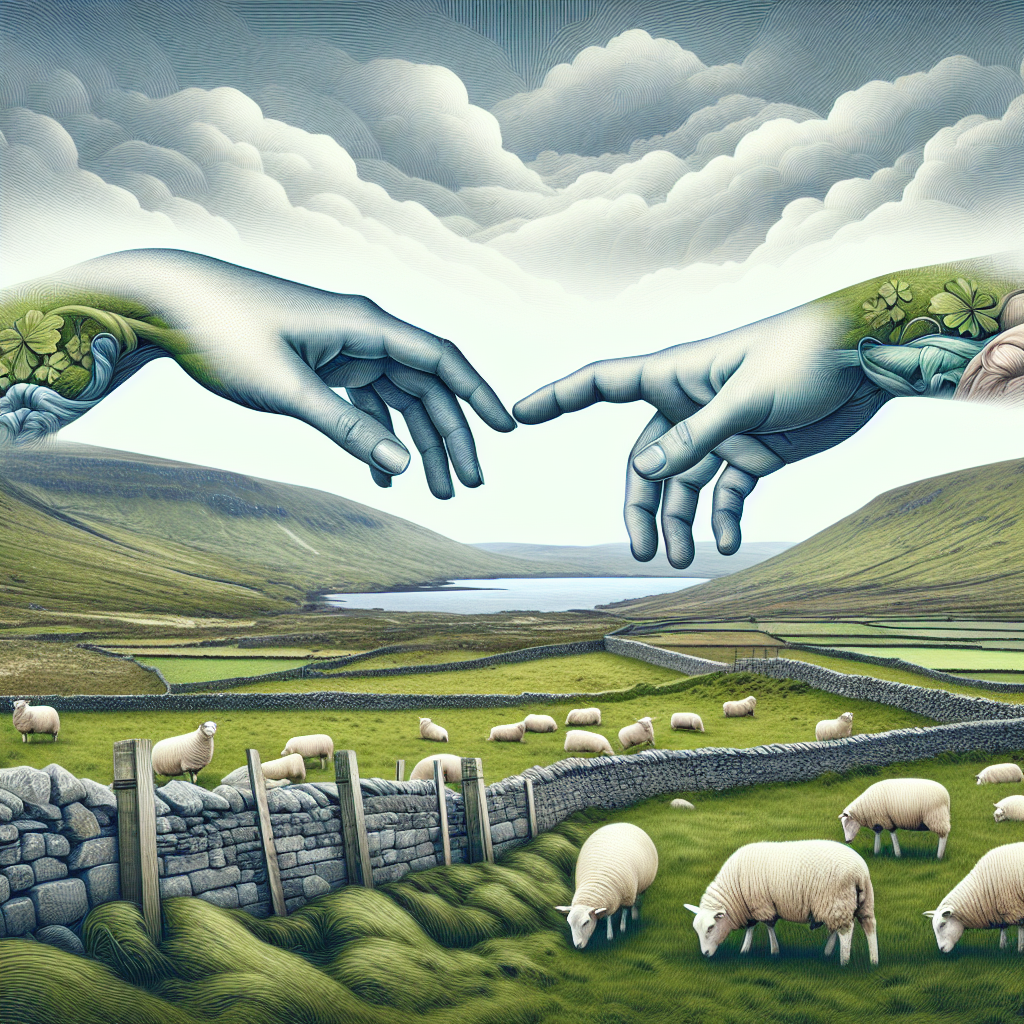

Cairde na hÉireann: A Controversial Connection
Imagine a group that sparks both admiration and controversy, all while being rooted in a rich cultural history. Cairde na hÉireann, meaning "Friends of Ireland" in Irish, is a Scottish-based organization that supports Irish republicanism. Founded in 2004, this group has been active in promoting Irish culture and political causes, particularly those related to the reunification of Ireland. Their activities are primarily based in Scotland, where they engage in community events, political advocacy, and cultural celebrations. The organization is often seen as a bridge between the Irish diaspora in Scotland and the political movements in Ireland, but it also faces criticism for its associations and political stance.
Cairde na hÉireann is known for organizing events such as parades, cultural festivals, and political rallies. These events aim to celebrate Irish heritage and promote the idea of a united Ireland. The group also engages in educational activities, providing resources and information about Irish history and politics. Their work is deeply rooted in the belief that Ireland should be a single, independent nation, free from British rule. This perspective aligns with the broader Irish republican movement, which has a long and complex history.
However, the organization's activities are not without controversy. Critics argue that Cairde na hÉireann's support for Irish republicanism can sometimes align with more extreme elements of the movement. This includes associations with groups that have been involved in violent activities in the past. While Cairde na hÉireann itself does not advocate violence, its political stance can be polarizing, especially in a region like Scotland, where opinions on Irish and British relations are diverse and deeply held.
Supporters of Cairde na hÉireann argue that the organization plays a crucial role in preserving Irish culture and advocating for political change. They see it as a necessary voice for the Irish community in Scotland, providing a sense of identity and belonging. For many, the group's activities are a way to connect with their heritage and engage in meaningful political discourse. The cultural events organized by Cairde na hÉireann are often seen as vibrant celebrations of Irish music, dance, and history, drawing participants from various backgrounds.
On the other hand, opponents express concern over the potential for the group's activities to inflame tensions between different communities. Scotland has its own complex history with sectarianism, and some fear that the promotion of Irish republicanism could exacerbate existing divides. There is also the issue of how Cairde na hÉireann's activities are perceived by those who support the union between Northern Ireland and the United Kingdom. For them, the organization's goals can seem threatening or divisive.
The debate surrounding Cairde na hÉireann highlights the broader challenges of balancing cultural expression with political advocacy. It raises questions about how communities can celebrate their heritage while also engaging in political movements that may not be universally accepted. The organization's existence and activities are a testament to the enduring connections between Ireland and its diaspora, as well as the ongoing debates about national identity and sovereignty.
Cairde na hÉireann's story is a reminder of the power of cultural and political movements to inspire both unity and division. It underscores the importance of dialogue and understanding in navigating complex historical and political landscapes. As the organization continues its work, it will likely remain a focal point for discussions about Irish identity, cultural preservation, and political change in Scotland and beyond.