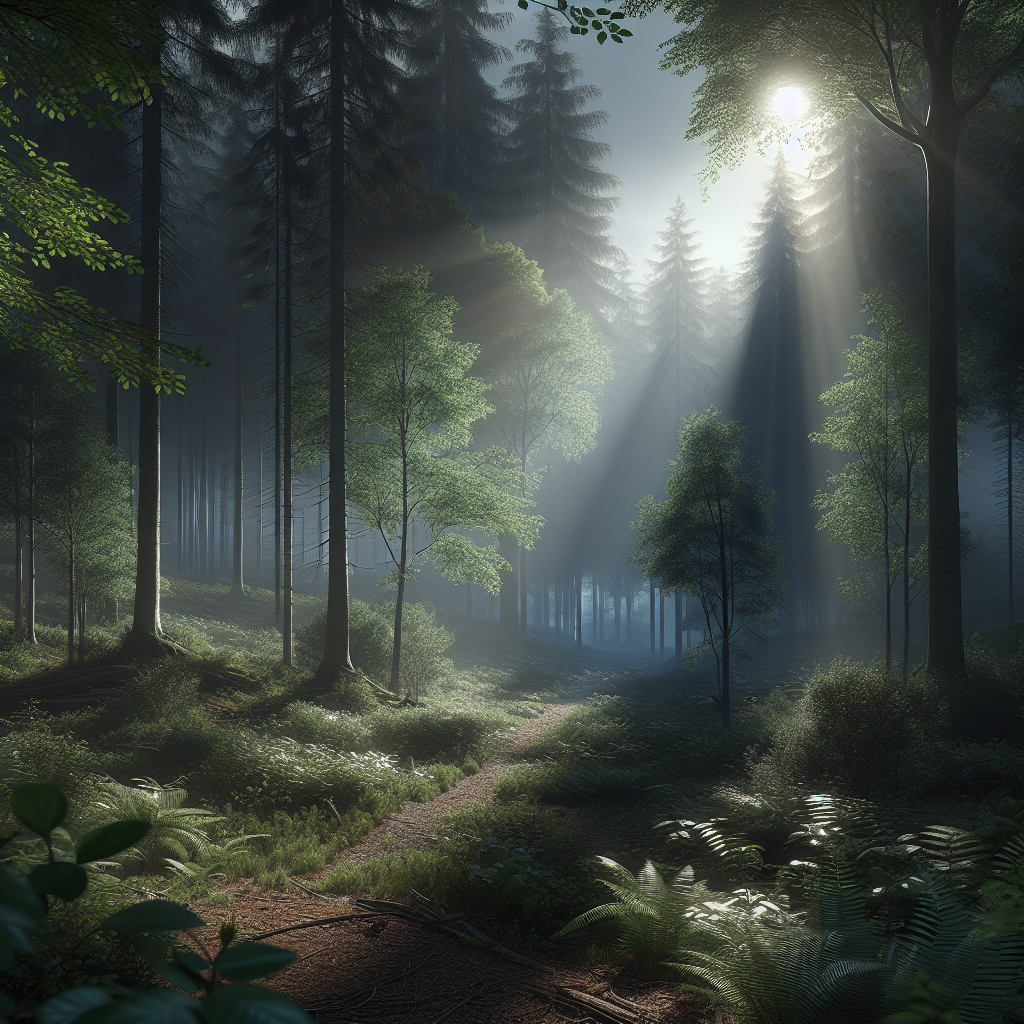

The most magical places often live just around the corner, hidden in plain sight, and Bull’s Wood is no exception. Located in the charming countryside of Suffolk, England, this woodland offers an enchanting escape from modern life. It’s a hub where nature, history, and tranquility come together, luring locals and tourists alike. With humans weaving through its trees for centuries, it’s a place as rich in biodiversity as it is in lore.
But let's rewind a bit. Why should you care about Bull's Wood, anyway? Well, if you're looking for a spot to disconnect from the rapid rhythms of daily life, this woodland can quickly become your sanctuary. Its origins are steeped in history, dating back to medieval times when it was part of a larger forest covering much of the region.
Now, Bull's Wood is owned and managed by the Suffolk Wildlife Trust, emphasizing conservation and public enjoyment. The wood is a perfect fusion of history and modern stewardship, showcasing how humans can harmoniously integrate with nature. The Trust works tirelessly to preserve this precious ecosystem while promoting sustainable public access, highlighting a commendable balance between human interaction and environmental protection.
As you meander through its winding paths, you are greeted by towering oak and hazel trees. This seemingly untouched wilderness hosts a variety of wildlife. Keep your eyes peeled for majestic deer prancing through the underbrush or birds like the great spotted woodpecker busy drumming away. Moreover, the wood is a seasonal kaleidoscope, turning into a wonderland of bluebells in spring and a fiery canvas of leaves come autumn.
Furthermore, Bull's Woodland is a living classroom. It offers a diverse habitat for not only plants and animals but for humans eager to learn about ecology and history. The Trust often organizes activities and workshops, serving as a bridge to teach younger generations about the importance of preserving such spaces. This place is not just for leisure; it is critical for educational growth and understanding the environment.
That said, the debate on how much human intervention is healthy for such ecosystems is ever-present. While Bull's Wood thrives under current management practices, there are opinions that even this limited human interaction disrupts the natural course. Some nature enthusiasts insist that complete seclusion might allow the ecosystem to flourish further. However, others argue that humans, too, are a part of the ecological web and need spaces to reconnect with nature for mental and physical health benefits.
As a politically liberal writer, I find myself empathetic to both perspectives. It’s clear that people crave spaces like Bull's Wood for the mental peace they offer, especially in this fast-paced digital age. Encouraging responsible tourism not only promotes environmental awareness but also drives the conversation about conservation efforts. But it is equally crucial to ensure the ecosystem's integrity isn’t compromised for short-term gains.
Bull's Wood exemplifies albeit on a small scale, a larger conversation about environmental sustainability and human coexistence with nature. In this battle against climate change where every bit of green counts, preserving and respecting spaces like this will help pave the road toward a more sustainable future.
If you’re someone looking past the screen for a slice of serenity, then Bull's Wood should be on your map. Let it remind you of nature’s unpredictable elegance. When you next visit, take a moment to listen closely—to the whispering leaves and the stories they tell. Let them talk to you in the language only nature speaks.
Each step within its boundaries isn’t just a walk among trees but a walk through time—an opportunity to reflect on humanity’s past interactions with the environment and envision a future where we can better cherish it. Even if the wood whispers its tales of yesteryears and dreams of a thriving ecosystem, it also urges us to protect its legacy—not just for ourselves, but for generations yet to come.