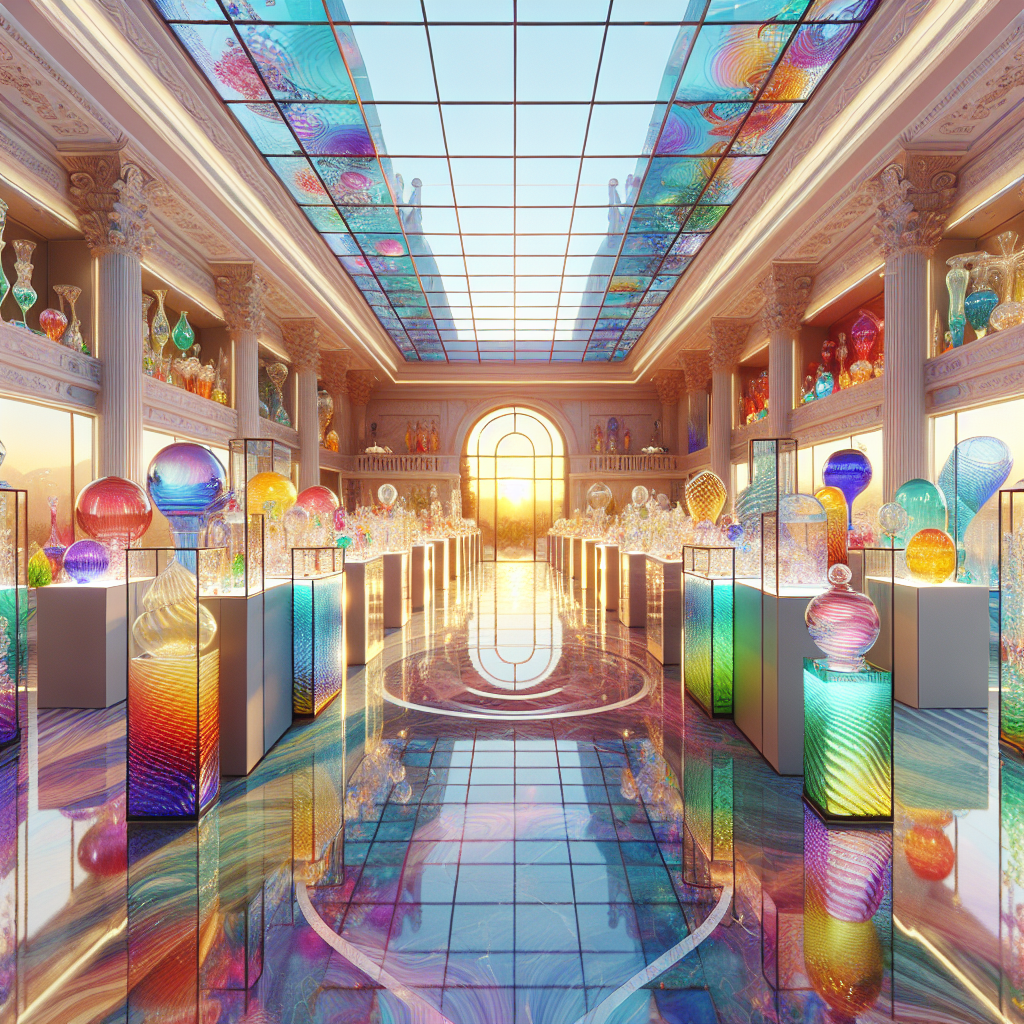

The Shattering Closure of Broadfield House Glass Museum
Imagine a place where the delicate art of glassmaking was celebrated, only to be shattered by the harsh realities of modern economics. The Broadfield House Glass Museum, located in the heart of the West Midlands, England, was a beacon for glass enthusiasts and historians alike. Established in 1980, it showcased the rich history of glassmaking in the region, which dates back to the 17th century. However, in 2015, the museum closed its doors, leaving a void in the cultural landscape. The decision to close was driven by financial constraints and the need to consolidate resources with the nearby Red House Glass Cone, another historic site dedicated to glassmaking.
The Broadfield House Glass Museum was more than just a building filled with glass artifacts. It was a vibrant hub of creativity and learning. Visitors could witness live glassblowing demonstrations, explore extensive collections of glassware, and participate in workshops. The museum played a crucial role in preserving the heritage of the Stourbridge Glass industry, which was renowned worldwide for its quality and craftsmanship. The closure of the museum was a significant loss to the community and to those who cherished the art of glassmaking.
The decision to close the museum was met with mixed reactions. On one hand, there was an understanding of the financial pressures faced by local councils and the need to make tough decisions. The consolidation with the Red House Glass Cone was seen as a practical solution to ensure the survival of the region's glassmaking heritage. On the other hand, many felt a deep sense of loss and disappointment. The Broadfield House Glass Museum was a beloved institution, and its closure marked the end of an era.
For those who opposed the closure, the museum was more than just a collection of glass. It was a place of inspiration and education. It provided a unique opportunity for people to connect with the history and artistry of glassmaking. The museum's closure was seen as a blow to cultural diversity and a step back in the efforts to preserve local heritage. Critics argued that the decision was short-sighted and that more should have been done to secure funding and support for the museum.
Despite the closure, the legacy of the Broadfield House Glass Museum lives on. The collections and exhibits have been transferred to the Red House Glass Cone, where they continue to be accessible to the public. The consolidation has allowed for a more sustainable model of operation, ensuring that the history of glassmaking in the region is not lost. While the physical space of the Broadfield House Glass Museum is no longer, its spirit endures in the continued celebration of glass art and history.
The closure of the Broadfield House Glass Museum serves as a reminder of the challenges faced by cultural institutions in today's world. It highlights the importance of finding innovative solutions to preserve and promote heritage in the face of financial constraints. It also underscores the need for communities to rally together to support and advocate for the arts and culture.
As we reflect on the closure of the Broadfield House Glass Museum, it is essential to recognize the value of cultural institutions and the role they play in enriching our lives. They are not just repositories of history but are vital to our understanding of who we are and where we come from. The story of the Broadfield House Glass Museum is a testament to the enduring power of art and the importance of preserving our cultural heritage for future generations.