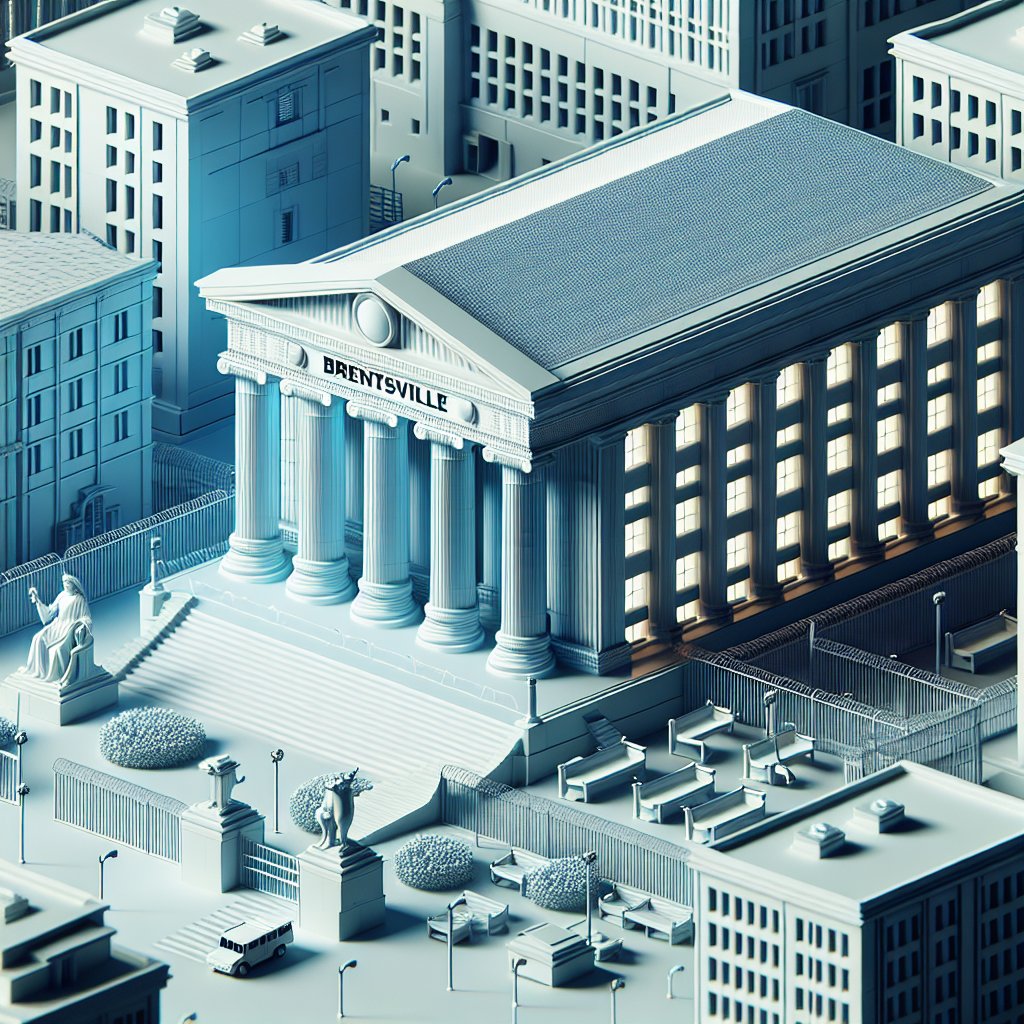

History isn’t just in books; sometimes, it looms in brick and stone, like the Brentsville Courthouse and Jail in Virginia. Built in 1822, this courthouse played an indispensable role in Prince William County's legal landscape, serving as a civic hub where justice, democracy, and sometimes injustice took center stage. Occupying Brentsville's heart, from land disputes to criminal cases, the courthouse holds more stories than one might imagine.
Prince William County, situated in the picturesque state of Virginia, welcomed the Brentsville Courthouse back when it relocated the county seat to Brentsville. Its role wasn’t confined to being just another courthouse; it was a community meeting ground. Various public issues were addressed here—some progressive, some reflective of the harsh societal norms of those times. For many years, this locale was the epicenter for deciding fates, molding the county’s governance, and wrangling with the moral questions that etched the societal fabric. It's here that justice aimed to be impartial, and yet, imperfections of humanity trickled through its proceedings.
Fast forward to today, and the courthouse complex stands as a poignant reminder of a different era, preserved for the curious eyes of the public and passersby. The deeper you delve into the anecdotes of Brentsville, the more you comprehend its intricate ties to broader social justice movements. Even now, this historic site serves to educate, provoke thought, and sometimes, spark contentious discussions.
The courthouse is more than a historical monument. It represents a past where community democracy fused openly with law and order. Yet not all stories housed within these walls praised fairness and equity. While some decisions might have fought valiantly for justice, others reflected the grim realities and biases of older America. Particularly during times when civil rights were still a distant promise, the courthouse saw its fair share of challenging verdicts.
Understanding Brentsville Courthouse also means acknowledging Brentsville Jail. It’s a side of history many prefer to gloss over, but it’s pivotal. The jail was a grim counterpart to the courthouse, embodying strict legal enforcement and highlighting how justice was meted out differently depending on one's social standing. While the courthouse might hold the aura of civic pride, the jail often evokes discomforting truths about punishment, cruelty, and the socio-political climate of its time.
Preservation efforts have helped maintain these edifices but not without some degree of controversy. When considering their restoration, questions of historical sensitivity and funding priorities arose. Debates sparked across political lines about the value of preserving buildings that symbolize oppression for many ancestors. It's crucial to dissect such debates not with an insular mindset, but with an eye toward learning and evolving.
In a society that’s increasingly focused on inclusivity and social justice reform, Brentsville is a fascinating case study. It generates reflection on how historical buildings can become conduits for education, learning, and reconciliation. Given the dramatic shifts in cultural attitudes and technological advances—particularly recognized and prioritized by Gen Z—the site invites ponderings of our legal past and our ever-evolving collective aspirations for justice.
Wandering through the courthouse today lets you walk in the echo of stories—voices that shaped the community’s legal and social contours. These whispered tales nudge us to confront uncomfortable truths. They inspire dialogues on equity, justice, and remembrance, influencing how we perceive our past to inspire a more just tomorrow.
Brentsville Courthouse and Jail are more than remnants of history; they are mirrors reflecting our journey and struggles with fairness, equality, and community. They highlight a narrative that’s scarred, nuanced, and expansive—not just relics but potent symbols of the never-ending quest for justice. These walls have witnessed humanity in all its frailty and resilience, much like today’s turbulent world still confronts deep-rooted inequities and challenges.
Visiting Brentsville isn't just peering into the past; it's understanding the complex layers of human society. From passionate debates within its walls to somber reflections outside its cells, each stone and brick here holds a piece of our shared journey, reminding us of where we've been and how much further we must go.