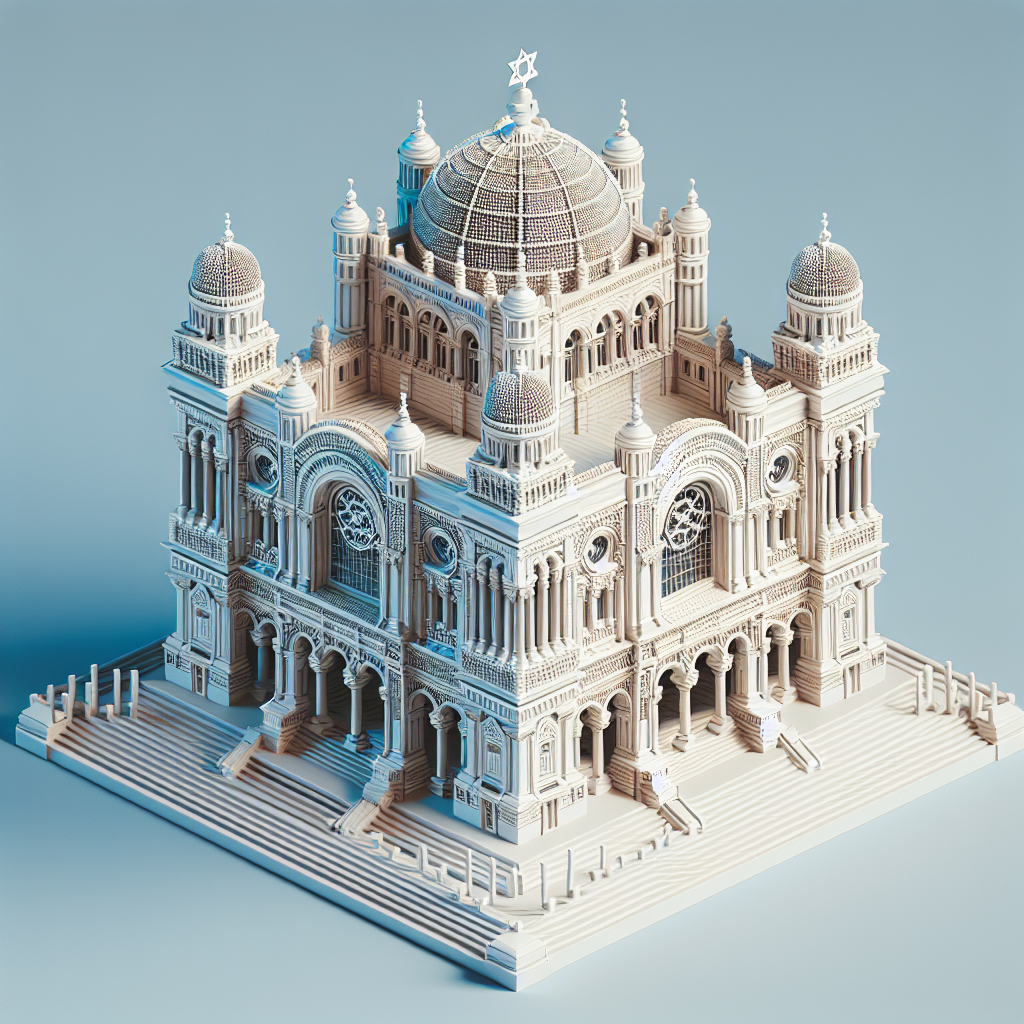

In the vibrant tapestry of Los Angeles, a city bustling with endless energy and diversity, the Breed Street Shul in Boyle Heights stands as a quiet yet profound monument to cultural legacy and change. Originally built in 1923, and once the largest Orthodox synagogue west of Chicago, it played a pivotal role in shaping the lives of Jewish immigrants who made Los Angeles their home. But why does this place matter today?
The Breed Street Shul isn’t just a relic of Jewish history; it’s a testament to the dynamic nature of urban communities. During the early 20th century, Boyle Heights was a melting pot of Jewish, Latino, Japanese, and other immigrant communities. The Shul was more than a place of worship; it was a communal hub, a place where diverse cultures converged, celebrated, and supported each other.
Fast forward to the 1950s, the neighborhood underwent significant demographic shifts. Many Jewish families relocated to other parts of Los Angeles, and the Shul’s doors were shuttered. For decades, the building stood silent, a mere shadow of its former glory, weather-beaten and forgotten by many. The change wasn't just in demographics but also an era showing how communities evolve and part ways.
So, why should Gen Z care about an old synagogue that stopped operating years before you were born? Because the Breed Street Shul is a beacon of cultural resilience. Its story is one of rebirth, showing how communities can and do thrive through periods of upheaval. Today, efforts to restore and maintain the Breed Street Shul are in full swing, showcasing the power and endurance of collective action.
Boyle Heights itself is experiencing a renaissance, a neighborhood once again becoming a multicultural haven. The Shul’s restoration isn’t just about preserving bricks and mortar; it’s about maintaining a space for collective memory and future possibility. It’s a place where people can learn about the past to inform better futures.
While some argue historic preservation projects like this can exclude newer immigrant stories, the goal of the Breed Street Shul Project has always been one of inclusivity. They aim to preserve the history of Jewish Los Angeles, while also embracing the neighborhood's contemporary identity. By doing so, it offers a space where dialogues between different cultural histories and modern day challenges can occur.
Critics might point out that resources spent on restoration could benefit pressing social issues like poverty or housing in the area. It’s a valid argument, indeed. However, the Shul’s supporters believe its restoration brings opportunities for community engagement and education, acting as a catalyst for positive change within the neighborhood. After all, embracing history doesn’t mean clinging to the past; it helps us navigate the path to a more inclusive and understanding society.
Walking through the Breed Street Shul today, one can sense the stories etched into its walls. The echo of prayers, conversations, and laughter. It's more than nostalgia; it's a reminder of shared roots and the shared future we can build. For Gen Z, understanding places like the Breed Street Shul is crucial. It’s about seeing the world as interconnected, recognizing how past and present weave together in ways that can inspire us toward equity and inclusion.
In this digital age, it's easy to lose ourselves in the imaginary glow of screens and sometimes overlook the tangibility of places like the Breed Street Shul. Yet, these spaces offer vital lessons on resilience, change, community, and what's at stake when we work together to preserve the cultural identities that define us. So, next time you think about history as a dusty record of yesteryears, remember that places like Breed Street Shul are living dialogues between what was and what can be.