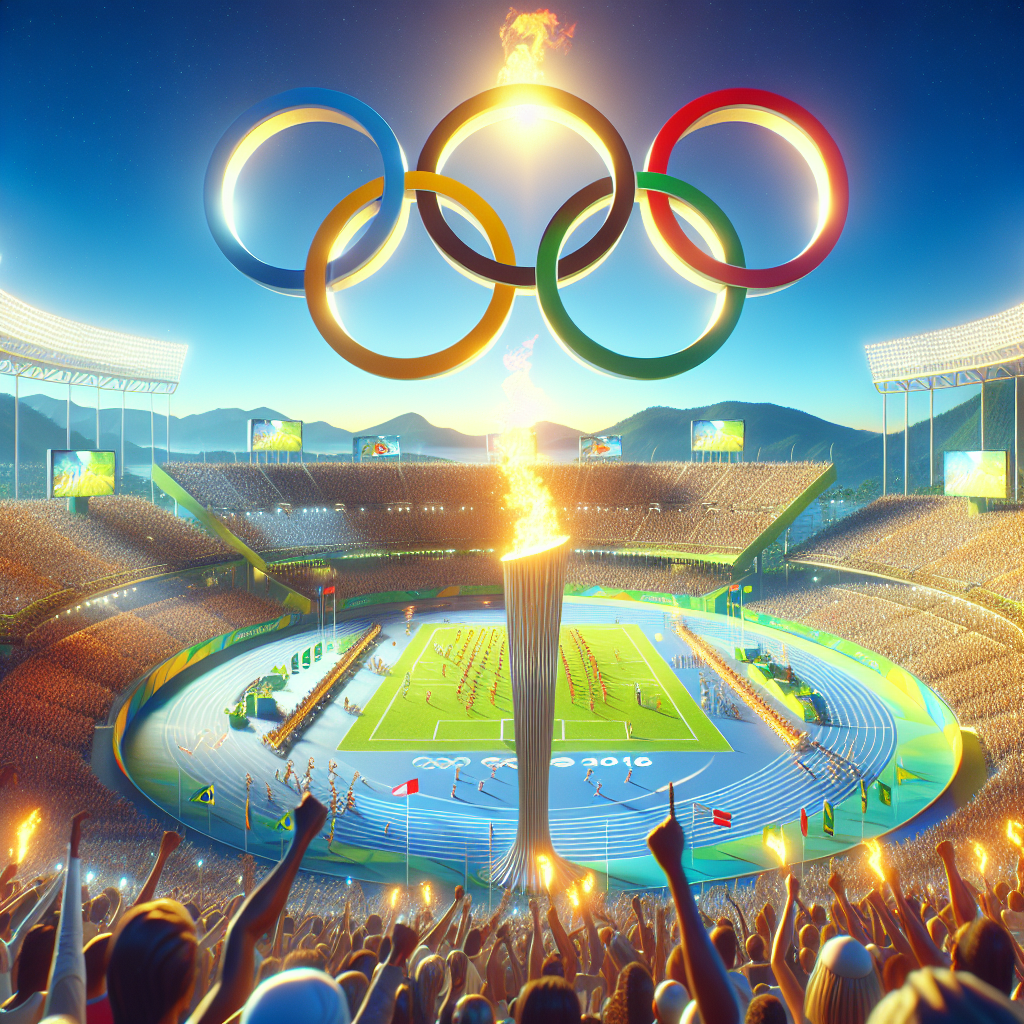

When Brazil hosted the 2016 Summer Olympics, the world watched a nation draped in vibrant hues and diverse stories. It happened in August 2016, in the iconic city of Rio de Janeiro. It was here that athletes from all over the globe gathered to chase dreams, break records, and wrap themselves in glory, while Brazil seized the opportunity to showcase its cultural richness on a world stage. The journey wasn't just about athletic triumphs; it was also about a country grappling with economic instability, political scandals, and pressing social issues.
For starters, the opening ceremony was a colorful spectacle that artfully celebrated the country's deep history and vast ecosystems. Who can forget the moment when supermodel Gisele Bündchen strutted across the stadium, transforming Maracanã into a runway that radiated Brazilian pride? Yet, as fireworks lit the night sky, not all lights were on the celebration. Brazil's political turmoil, healthcare challenges, and economic struggles were under as much scrutiny as the events of the games themselves.
Brazil managed to clinch a commendable 19 medals, finishing 13th in the medal tally. For Brazil, this was more than a count of victories; it was a statement of resilience. From Rafaela Silva’s triumph in judo, becoming a symbol of hope from Rio's favelas, to the electrifying quest of Neymar and his teammates reclaiming glory in football, it was more than just personal milestones; they resembled collective victories for a nation hungry for good news.
But underneath the vibrant layers of cultural festivity, there was an intricate tapestry of socio-economic dynamics. The costs of hosting such a grand global event were enormous, raising eyebrows and sparking debates. Critics argued that the funds invested in sporting infrastructure could have been better used to improve public services, highlighting the stark disparities between the Olympic arenas and Brazil’s struggling public health system.
Meanwhile, supporters saw the Olympics as a chance to turbocharge development, boost tourism, and reframe Brazil on the global cultural map. The counter-narrative crafted by some optimists portrayed the Olympics as an opportunity for infrastructural upgrades and economic benefits in the long term. Often, the echoes that coalesce around mega-events orbit around the magnetic potential for income and international prestige.
The event did spearhead certain infrastructural developments like the BRT dedicated bus lanes and the expansion of Rio's subway lines, which were expected to alleviate urban congestion. However, there were continuing debates around displaced communities who bore the brunt, as the city swept away entire neighborhoods to make room for the Games.
There's no denying the impact that Brazil’s athletes had in those agitated waters of discourse, becoming torchbearers of hope for a divided nation. Yet, as Gen Z advocates for equality and fairness, the stark contrast between the pageantry of the Olympics and the quiet struggle of everyday Brazilians wasn't lost on them. They understood the complexities of modern-day nationalism intertwined with economic inequality, and the tough choices a government faces in balancing global ambitions with local welfare.
In the thick of applause and criticism, it's captivating how large, international events like the Olympics hold a mirror up to society, revealing its aspirations and its divides. This doesn’t just rest on strengthening international camaraderie, but also sheds light on the ongoing conversation about how a nation, full of potential and faced with adversity, navigates these critical junctures.
Brazil 2016 was not just an Olympic endeavor. It was a reminder of the broader societal portrait, inviting the world to appreciate not just athletic excellence but the collective efforts and ongoing challenges of its diverse people. For a generation that cares about social issues and global awareness, the takeaway from Rio was vivid: that sporting events, just like the athletes competing, don't exist in a vacuum. They reflect the complicated, colorful fabric of our shared global narrative.