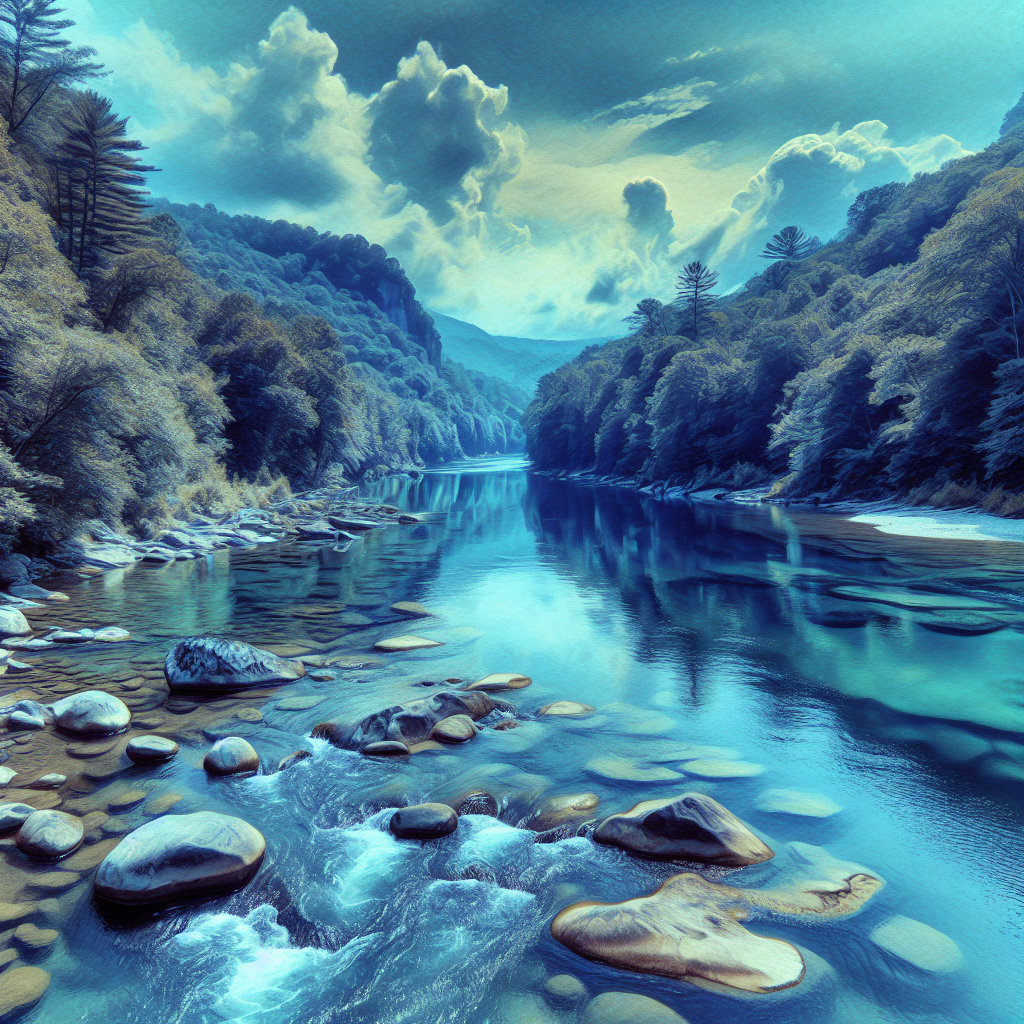

Imagine a river so magical that it almost feels like it's whispering secrets of the past. Nestled within the Appalachian Mountains, the Bluestone River meanders through the beautiful landscape of West Virginia, USA. Stretching around 77 miles, this stunning river is home to the Bluestone National Scenic River, a protected area that was designated by Congress in 1988, ensuring its beauty and biodiversity are preserved for future generations. The river has been a vital part of the ecosystem, providing habitat for various species and serving as a freshwater resource. It's a place where nature and history intertwine, capturing the hearts of those who visit.
Bluestone River isn't just water flowing between banks; it's a thread that ties together the history of indigenous peoples and European settlers who once thrived along its course. This river has witnessed both conflict and coexistence, shaping the cultural heritage of the area. While it reflects a historical narrative of colonization, forced migration, and the resilience of Native American tribes, it's also a reminder of the need for reconciliation and understanding. Preservation efforts are crucial in recognizing the injustices faced by the indigenous communities and respecting their connection to this land.
One can't talk about Bluestone River without mentioning the breathtaking scenery that surrounds it. The lush greenery, wildflowers, and diverse wildlife make it a haven for nature lovers. It's a place where one can hike along trails with views that look like they were taken straight from a postcard. For those interested in outdoor activities, the area offers camping, fishing, and kayaking opportunities, providing a much-needed escape from the hustle and bustle of daily life.
However, there are challenges facing the Bluestone River. Climate change poses significant threats, with shifting weather patterns impacting water levels and the health of habitats. Pollution from agricultural runoff and nearby industrial activities often go unnoticed but have profound effects on the ecosystem. There’s a pressing need for discussions about sustainable resource management and stronger environmental policies to safeguard this natural wonder. This calls for more community involvement and support for conservation programs to mitigate these issues.
Tourism in the area is a double-edged sword. While it boosts the local economy and raises awareness about the river's significance, it can also lead to environmental degradation if not managed properly. Visitors need to be mindful of their ecological footprint, ensuring that their enjoyment doesn't come at a cost to the environment. Advocating responsible tourism is critical; we need to balance enjoyment with preservation.
The river also plays a role in the ongoing conversations around renewable energy and sustainability. Hydropower projects and potential industrial uses of river resources often spark debates between economic growth and ecological preservation. It’s vital to weigh these aspects carefully and consider the long-term effects on both the local economy and the integrity of natural landscapes. Finding a path that respects nature while still supporting local communities is a complex but necessary task.
Not everyone agrees on how to best approach these issues. Some argue that more rigorous preservation limits economic growth, which might seem especially contentious in regions relying heavily on natural resources for livelihoods. On the other side, environmentalists stress the importance of protecting unique ecosystems, emphasizing how short-term economic gain should not overshadow ecological concerns. Both sides offer valuable insights and highlight the necessity of compromise and dialogue.
Ultimately, Bluestone River is more than its waterway; it's a testament to the beauty of the natural world, the complexity of human history, and the importance of sustainability. It challenges us to think about how we can coexist with nature without altering its fundamental essence. The experiences and lessons gained from the Bluestone River can guide us in how to treat other natural landscapes with empathy, respect, and responsibility.