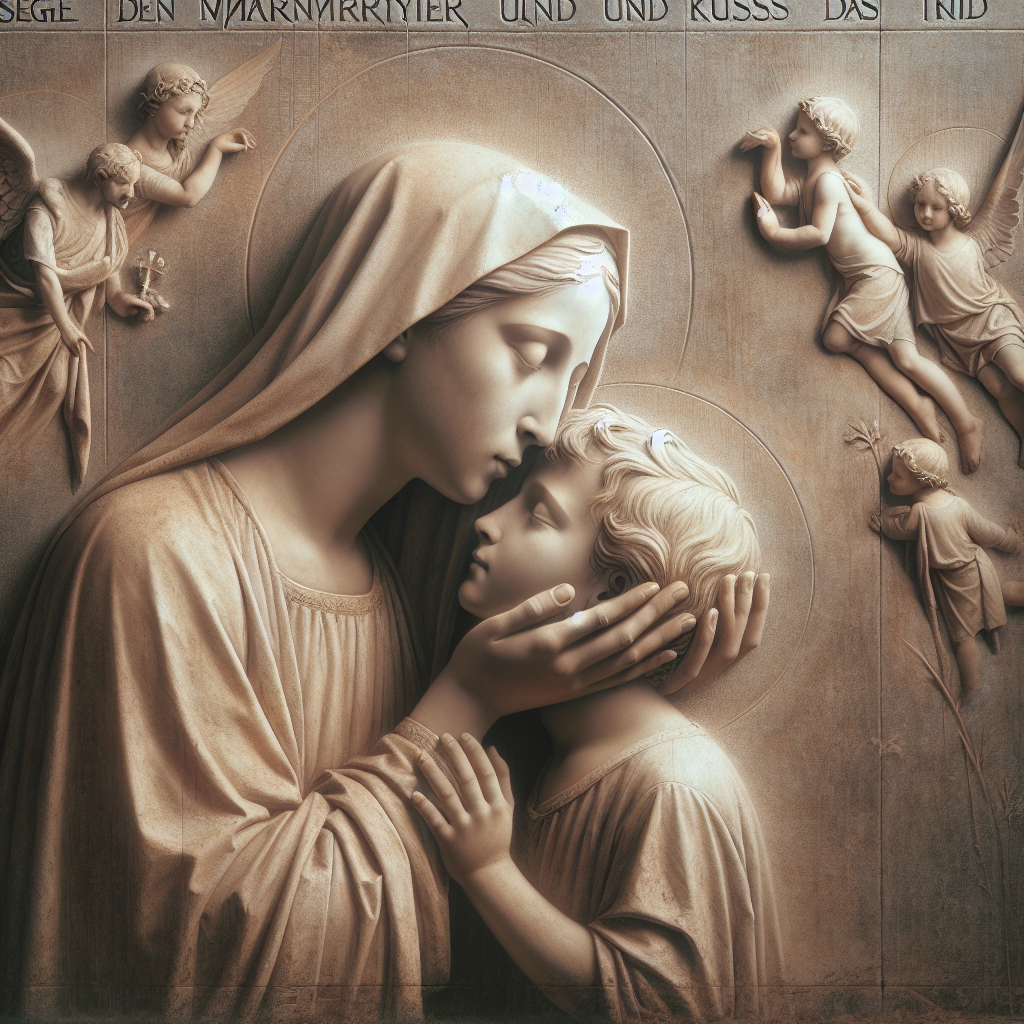

Imagine a whirlwind of sound that both captivates and challenges you. That's 'Bless the Martyr and Kiss the Child', an influential debut album by the American hardcore band, Norma Jean, released on August 13, 2002, by Solid State Records. Emerging from Douglasville, Georgia, this record marked a pivotal moment in the metalcore scene, stirring up conversations around themes of chaos, faith, and existential struggle. At the time of its release, the band - consisting of Josh Scogin on vocals, Scottie Henry and Chris Day on guitars, Joshua Doolittle on bass, and Daniel Davison on drums - offered something raw and compelling that resonated deeply with many listeners while causing others to question the chaotic noise.
This album isn't just sound; it's an experience steeped in raw emotion and intense motifs. Its authenticity hits you right in the gut as it wrestles with lyrical themes that often feel like a mix between a philosophical exploration and an existential outcry. Each track is like a clash of thunderous drums and jagged guitar riffs paired with Scogin's unmistakable gut-wrenching screams. There's a sense of warfare within the music, a battle between conflicting ideals and the search for meaning in a confusing world. This is precisely what gives the album its enduring resonance among fans of heavy music.
One of the most striking aspects of 'Bless the Martyr and Kiss the Child' is how it balances chaos with a hint of melody, often challenging the listener to navigate between disarray and harmony. Tracks like "Face:Face" exemplify this with their frenetic energy and persistent drive. It's a soundscape that doesn't aim for easy listening but rather dares you to confront the chaos head-on. This blend of ferocity and vulnerability is what makes Norma Jean stand out in the dense forest of metalcore bands from that era.
While the album has received praise for its inventiveness, it hasn’t been without critique. Some listeners find its raw intensity overwhelming, painting it as an unsettling noise rather than music. It's an understandable sentiment, as the album refuses to fit into the conventional mold of palatable tunes. Yet, that's precisely where its genius lies. It’s an unapologetic expression of raw emotion, tapping into the unsettling corners of human experience with honesty and grit.
The impact of 'Bless the Martyr and Kiss the Child' extends beyond just its immediate audience. It’s been influential in shaping the broader metalcore genre, serving as a blueprint for bands that followed. Its daring approach to music challenged others in the scene to think creatively, explore deeper themes, and not shy away from expressing even the most uncomfortable truths.
Still, some ponder whether the album's intense religious imagery alienates those outside the faith-based community. Norma Jean’s lyrics often touch topics such as sin, redemption, and mortality - concepts steeped in a rich tapestry of religious imagery. For some, this is a point of connection, offering solace through shared existential doubts. For others, it may seem exclusive or forced. Yet, the universality of searching for meaning, replete with struggles and triumphs, cuts across any spiritual divide, making the album meaningful to a broad audience.
Also notable is the untamed production quality of the record. It doesn’t shy away from showing its imperfections, which only adds to its authenticity. Produced by Adam Dutkiewicz of Killswitch Engage fame, the album retains a rawness that stands in stark contrast to the hyper-produced sounds common in today’s music scene. This lo-fi aesthetic complements the aggressive sound that coursed through early 2000s hardcore music, resonating with listeners who appreciated a more unpolished and therefore genuine form of expression.
'Bless the Martyr and Kiss the Child' was not just an album; it was a statement, an audacious proclamation in the face of musical conformity. It was daring, maybe even alienating. Its confounding mix of turbulence and tranquility speaks volumes of the era it came from, capturing a moment in time that continues to echo today. Its legacy persists because it refuses to be confined by the limits of its genre. For many, it opened the door to a new way of experiencing music - as a visceral and transformative force capable of connecting people through the chaos and comfort found in its noise.