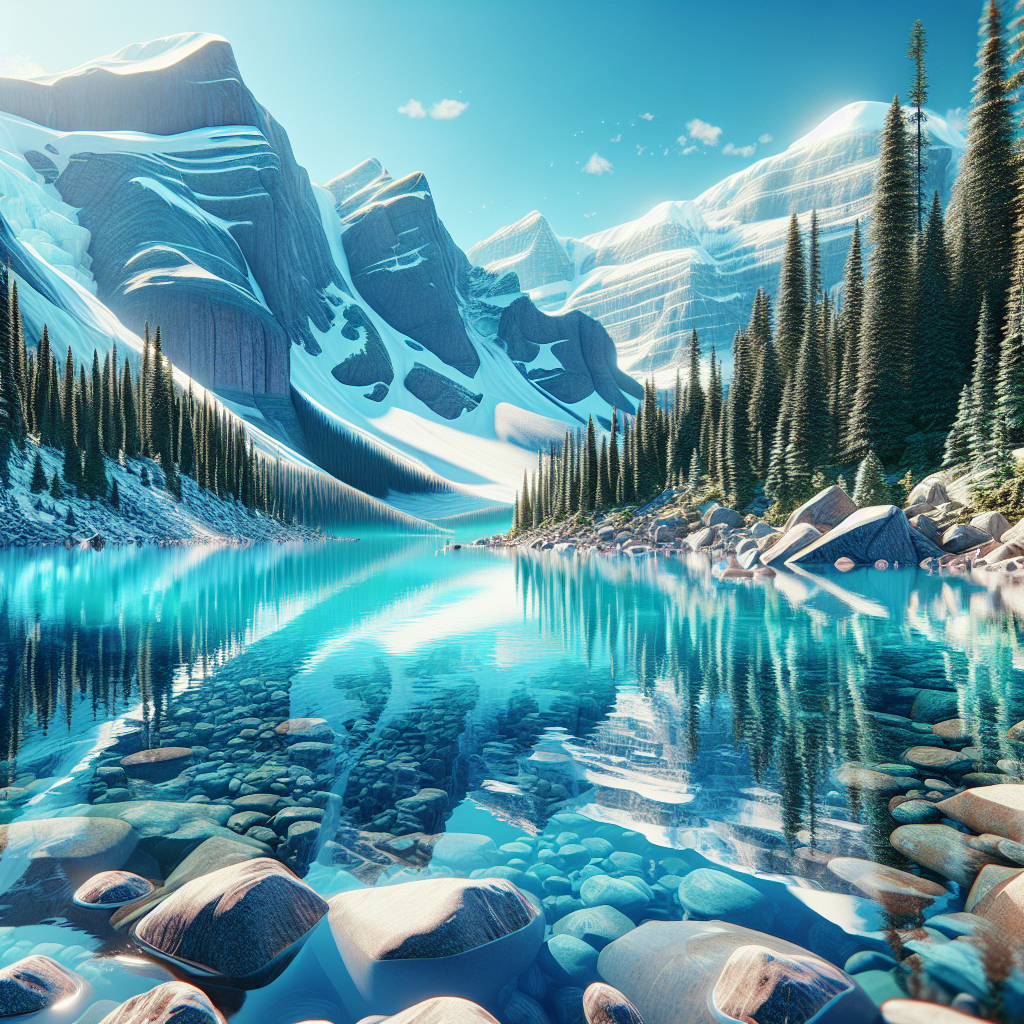

Prepare yourself for a destination that sounds like it belongs in a fairytale. Berg Lake, situated in the stunning shadows of Mount Robson, the highest peak in the Canadian Rockies, is like something straight out of a dream. Located within British Columbia's Mount Robson Provincial Park, Berg Lake is a mystical oasis known for its pristine glacial waters and breathtaking surrounding landscapes. But there's more to Berg Lake than just nature's handiwork—it’s a site where climate change, adventure tourism, and conservation efforts intersect.
Imagine a trip that kicks off with a 21-kilometer hike ascending through some of the world's most outstanding natural beauty. That’s the kind of adventure Berg Lake offers. The trail is usually accessible from mid-June to September, drawing in backpackers, nature photographers, and environmental enthusiasts from across the globe. Here, glacial silt turns the water a surreal turquoise, and the thunder of falling ice from surrounding glaciers is the soundtrack to your hike. Be prepared to share trail tales with fellow millennials and Gen Z hikers because this trek attracts people who value both experience and Instagram moments.
However, getting to Berg Lake isn’t just about the stunning snapshots to populate your social media feed. It's also a journey toward environmental consciousness. The impact of climate change is visible along the trial as you witness receding glaciers. Discussions around sustainability and conservation are at the forefront, with hikers often engaging in impromptu conversations about how to lessen their carbon footprint. In fact, the constant awareness of the environmental challenges facing this natural wonder tends to foster a community of eco-conscious travelers who aim to leave minimal impact.
Historically, Berg Lake had been a peaceful refuge, dubbed as ‘glacial paradise’. It was the distant dream for many explorers in the early 20th century when mountaineering began gaining popularity. Recently, the hike has gained traction particularly among those who escape the typical tourist paths and crave genuine and transformative experiences. Hiking here offers many a rare chance to feel connected to nature, removed from digital noise, despite the allure of its Instagram-famous scenery.
Not everyone is enamored by the influx of tourists, though. There are those concerned about the environmental impact of increasing foot traffic. Opposing views stress the need for stricter regulations to preserve the sensibility of the landscape. Crowds can threaten the tranquility and the ecological balance of such pristine environments. It's a valid point, and these conversations highlight the responsibility of our generation to tread lightly. Balancing human interaction and natural preservation is a topic worth pondering by all visitors.
The well-structured pathway to Berg Lake also narrates a story of dedicated indigenous stewardship and conservation initiatives. Indigenous people have safeguarded these territories long before they became popular hiking destinations. While traversing the area, it’s essential for hikers to actively recognize this profound history and the continued role of indigenous communities in protecting the land.
Before setting out on this trek to wonderland, remember that preparation is paramount. The unpredictable weather demands more than just casual hiking gear. Smart decisions about clothing and supplies could be the difference between a triumphant hike and a miserable one. The trip is physically challenging but equipped with a sense of camaraderie, more often than not, hikers help each other, exchange stories, and even share resources.
Keep an eye on the skies as well. Helicopter tours operate occasionally, carrying tourists over the glaciers to provide a bird's eye view of this striking terrain. While convenient, some criticize the increased carbon emissions they produce, urging tourists to instead earn their views with a good, old-fashioned hike to encourage sustainable practices. Post that trek, whether you agree with flying or hiking, the sight of Mount Robson towering over the lake remains universally appreciated, solidifying it as a symbol of natural majesty.
Overall, Berg Lake is an exploration that offers more than just pretty pictures. It challenges current conservation methods and encourages dialogue about sustainable travel. It reminds each visitor of the delicate balance between humanity and nature, a lesson ever relevant as global warming accentuates its presence worldwide. If you plan to visit, be prepared to wrestle with these complex issues amid overwhelming beauty. This isn't just a trip to a far-off destination; it's a walk toward a broader understanding of the world we share.