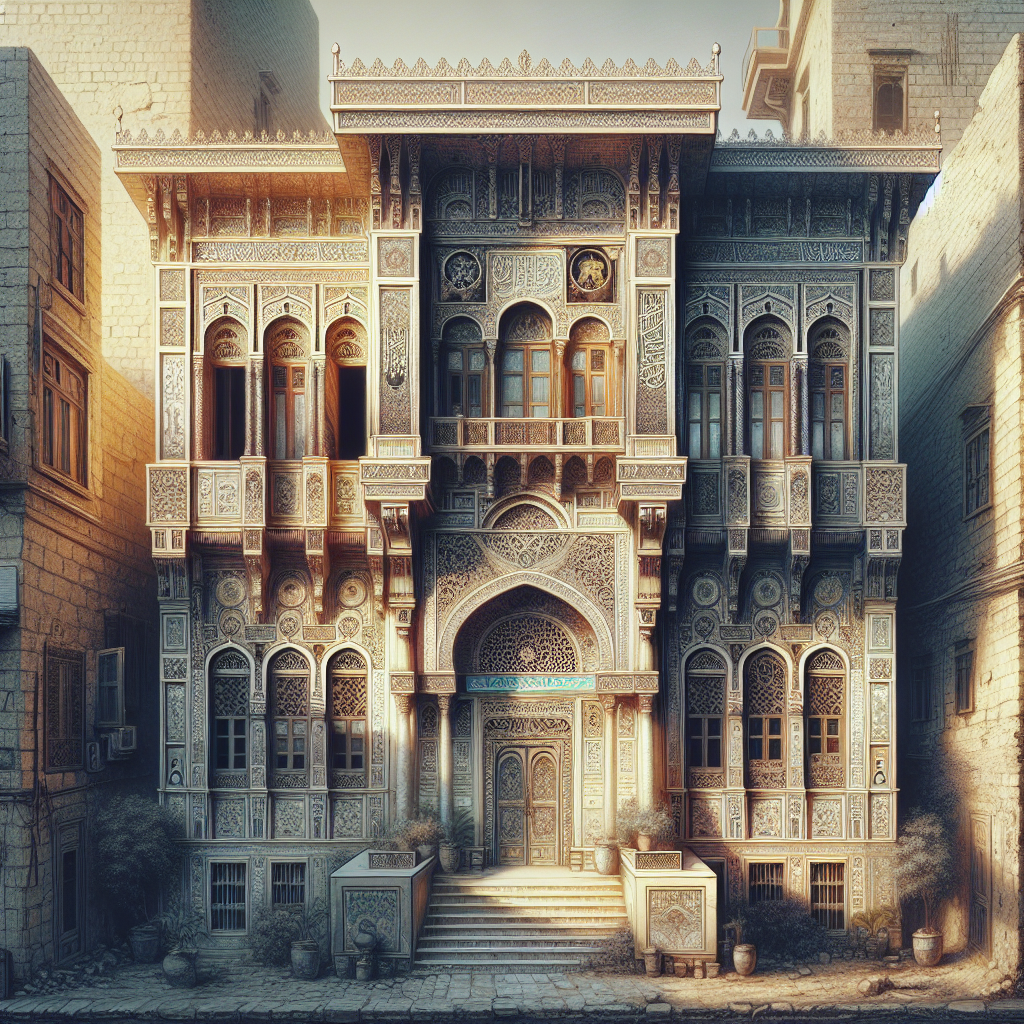

Exploring the Historical Gem: Bayt al-Suhaymi
Imagine stepping into a time machine and landing in the heart of 17th-century Cairo, where the air is filled with the scent of spices and the streets echo with the sounds of bustling markets. This is the experience one might have when visiting Bayt al-Suhaymi, a historical house located in the Darb al-Asfar district of Cairo, Egypt. Built in 1648 by Sheikh Abdel Wahab al-Tablawy, this architectural marvel was later expanded by Sheikh Ismail al-Suhaymi in the 18th century, giving it the name it carries today. The house stands as a testament to the rich cultural and architectural heritage of the Ottoman period in Egypt, offering a glimpse into the domestic life of the era.
Bayt al-Suhaymi is not just a house; it is a living museum that showcases the intricate artistry and craftsmanship of the time. The house is a sprawling complex with multiple courtyards, rooms, and halls, each adorned with exquisite woodwork, stained glass windows, and intricate tile work. The design of the house reflects the social and cultural norms of the period, with separate quarters for men and women, and spaces designed for both public gatherings and private family life. The architecture of Bayt al-Suhaymi is a blend of Ottoman and Mamluk styles, characterized by its mashrabiya screens, which allowed for privacy while letting in light and air.
The significance of Bayt al-Suhaymi extends beyond its architectural beauty. It serves as a cultural bridge, connecting modern-day visitors with the past. The house has been meticulously restored and preserved, allowing people to experience the grandeur of a bygone era. It is a popular destination for tourists and locals alike, offering a peaceful retreat from the hustle and bustle of modern Cairo. The house also hosts cultural events and exhibitions, further enriching the cultural landscape of the city.
While Bayt al-Suhaymi is a source of pride for many Egyptians, it also raises important questions about the preservation of cultural heritage. The restoration and maintenance of such historical sites require significant resources and expertise. There is an ongoing debate about the best ways to preserve these sites while making them accessible to the public. Some argue that modern interventions can detract from the authenticity of the original structures, while others believe that adaptive reuse can breathe new life into these historical gems.
Despite these challenges, the preservation of Bayt al-Suhaymi is a testament to the value placed on cultural heritage in Egypt. It highlights the importance of preserving history for future generations, allowing them to learn from and appreciate the past. The house stands as a reminder of the rich tapestry of cultures and traditions that have shaped Egypt over the centuries.
For those who have the opportunity to visit Bayt al-Suhaymi, it is an experience that transcends time. Walking through its halls and courtyards, one can almost hear the whispers of history, feel the presence of those who once lived there, and appreciate the artistry that has stood the test of time. It is a journey into the past that enriches the present, offering a deeper understanding of the cultural heritage that continues to shape the world today.