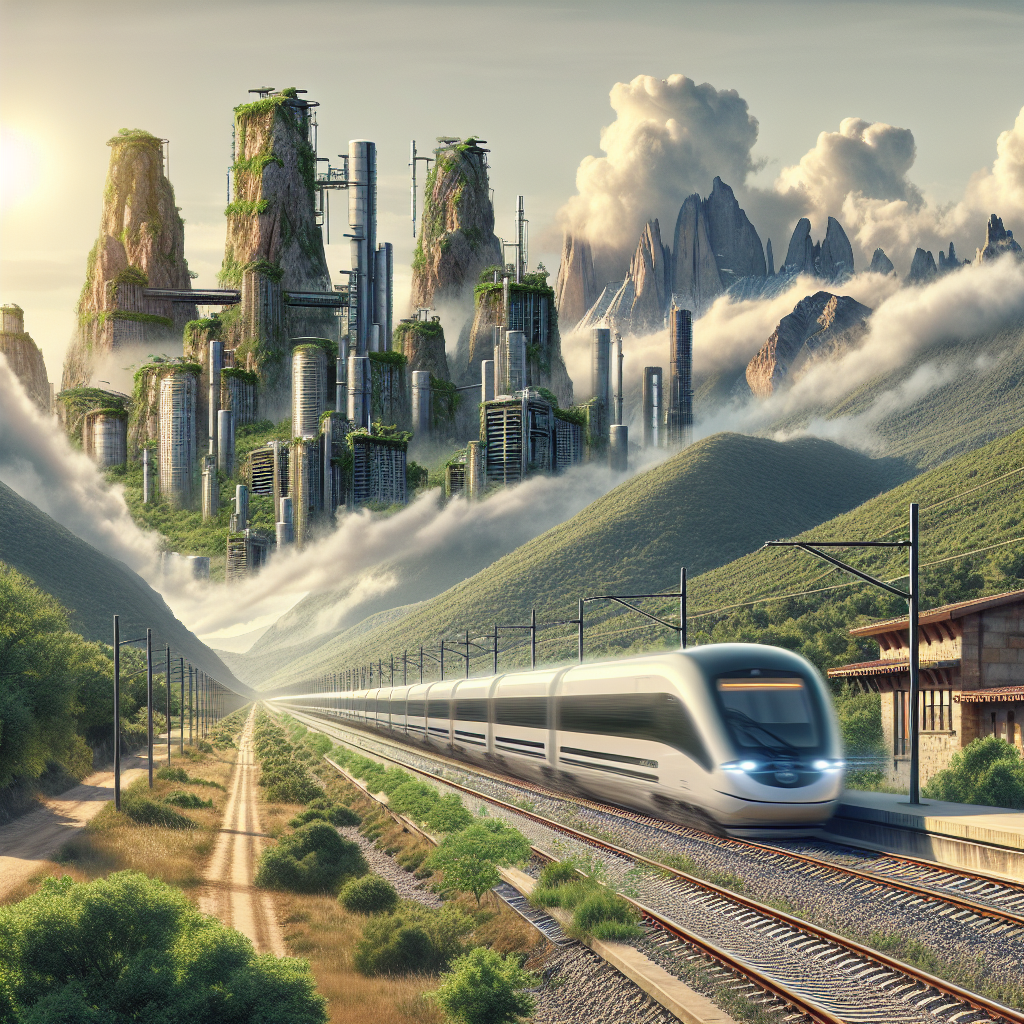

Imagine stepping onto a train and finding yourself whisked away not just through scenic landscapes but through epochs of fascinating history. The Barcelona–Cerbère railway offers precisely that mesmerizing journey. Connecting two vibrant Mediterranean locales, this historical railway runs from Barcelona, Spain, to Cerbère, France, traversing the spectacular coastal region shared by these neighbors. This railway, established in the 19th century, has played a pivotal role in bridging cultures and economies, profoundly influencing both regions it connects.
This artery of transport has been more than just a railway; it has been a link that bore witness to significant geopolitical shifts and cultural evolution. With its origination dating back to the mid-1800s, the Barcelona–Cerbère line has been a lifeline for commerce and culture amidst fluctuating political landscapes. Its existence has been marked by the steady, perpetual hum of economic exchanges and the quiet, yet evocative, union of diverse cultural expressions.
The beauty of this railway lies not just in the charming vistas of mountains and sea it offers to its travelers but also in its ability to connect people in ways beyond the physical. Through the years, it has served as a crucial passage through which ideas, goods, and people have flowed freely, often defying the barriers set by shifting borders and opposing ideologies. Despite the technical challenges, the shared Spanish and French collaboration that this railway represents stands as a monument to diplomatic harmony.
The infrastructure along this line tells tales of bygone eras, from the distinctive architecture of its stations to the engineering feats accomplished by laborers from both nations. Today, riding this railway is like unraveling chapters of history, as each station stop offers a peek into the past while presenting the constant innovation shaping the future.
Yet, amidst its historical grandeur, the railway also brings to light ongoing debates around infrastructure developments and environmental concerns. Advocates for modernizing the railway highlight the importance of such projects in reducing carbon emissions, pointing to the need for cleaner and more efficient means of transportation in combating climate change. However, critics often argue about the loss of heritage, worried that modernization could strip away the nostalgia and historical significance, reducing this iconic route to just another generic line in the grid.
Both sides bring compelling arguments to the table. Where environmentalists and progressives see an opportunity for a greener future with modern rail innovations, preservationists, and traditionalists cherish the historic charm that's maintained by leaving certain things untouched. Balancing the past and the present becomes a key consideration as stakeholders strive to respect both ecological and historical priorities.
Technological upgrades over the years have sought to deliver a smoother ride, enhanced safety, and reduced travel times, catering to the growing demands of a fast-paced society. Yet, every sleek improvement must pay homage to the route's storied past, ensuring that its legacy as a cross-cultural conduit remains untarnished even amidst modernization efforts.
Moreover, social accessibility is an underlying theme in the discussions over the future of railways like Barcelona–Cerbère. From its inception, this railway has been a critical channel for social integration, providing mobility solutions across demographics and connecting areas that might otherwise feel isolated. Ensuring that this dynamic continues is a matter of social justice, pushing for affordability and inclusivity in what many hope will be a greener infrastructure evolution.
As this railway chugs forward, reflecting on its significance in a modern context brings about a sense of contemplative anticipation. The Barcelona–Cerbère railway stands testament to more than a century-long chapter of human enterprise and international camaraderie. Its auspicious route, once cutting through sharply defined national boundaries, now quietly collects stories of ordinary people coupled with extraordinary histories.
The journey is more than just a trip from Barcelona to Cerbère. It's an engineering marvel turned into a living museum of cultures and a testament to human resilience and imagination. Every train that departs carries with it a part of the old world into the new, posing an eternal reminder of how intertwined our past and present truly are. Whether you're an enthusiast of history or simply someone who values the simple joy of a train ride, the Barcelona–Cerbère railway presents a compelling canvas painted with the colors of both change and continuity.