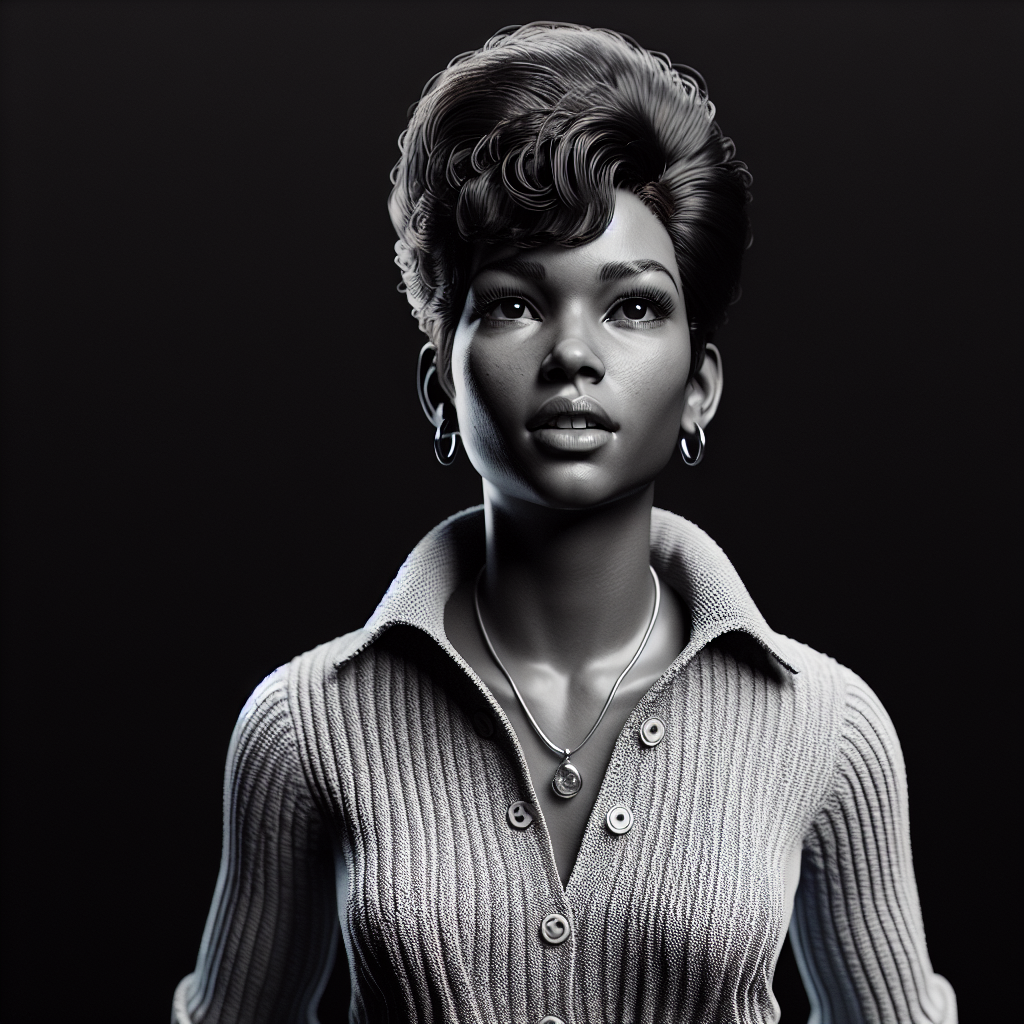

Imagine hearing a voice so soulful it instantly paints colors in the air, warms your heart, and invites you to dance even when what you really need is a good cry. That’s the magic Barbara Acklin brought to the stage. Barbara Acklin was a brilliant soul singer whose powerful yet silky voice defined the sound of the late 1960s and early 1970s. Born on February 28, 1943, in Oakland, California, Acklin grew up in the vibrant musical scene of Chicago. She navigated a world dominated by male musicians and became one of the most iconic figures in the genre, known for chart-topping hits like Love Makes a Woman.
Her journey began in the Windy City, where she initially served as a backup singer for the likes of Jerry Butler. It wasn’t long before she caught the attention of Brunswick Records and began a successful partnership with producer Carl Davis. Acklin co-wrote Have You Seen Her and (If Loving You Is Wrong) I Don’t Want to Be Right, songs that continue to resonate through time and find relevance in new generations.
Acklin’s music often revolved around themes of love, relationships, and the intricate web of emotions that interlace our lives. What's interesting is how her songs often represented not just personal stories, but broader cultural sentiments and societal reflections of her era. In times marked by civil rights struggles and a burgeoning feminist movement, Acklin’s voice was a comforting and inspiring force. She wasn’t just singing to entertain; she was narrating the collective human condition.
It’s worth noting how her collaborations, especially with Gene Chandler and David Scott, produced timeless music that continues to inspire today. One of her biggest hits Love Makes a Woman reached number three on the R&B charts and remains an anthem of empowerment and feminine strength. The emotion she poured into her music was contagious, speaking not only to the head but the heart.
Yet, her journey wasn’t all accolades and applause. Like many Black artists of her time, Acklin faced significant challenges in the industry. The recording world was filled with inequities, often sidelining or undercrediting women and people of color. While Acklin achieved recognition, she often had to fight for her musical voice and ensure her artistic contributions were acknowledged. Her persistence in the face of such adverse industry dynamics was remarkable and paved the way for future generations of female musicians.
From a gen z perspective, Acklin's music is a reminder of the raw, passionate sincerity that characterizes enduring soundtracks of our lives. In an era where music dissemination is dominated by streaming platforms, Acklin's analog sounds lure listeners back to a time when records spun and each note was a labor of love. There’s something refreshing about returning to such authenticity in our current digital world.
However, it’s also important to reflect on how much progress has been made in acknowledging female artists in the music industry, and how much more there is to achieve. Gen z thrives on transparency and equity, and looking back at Acklin's story is a nudge to continue striving for a world where every artist, regardless of gender or background, receives due recognition and support.
Barbara Acklin may not always be the first name that springs to mind in conversations about soul music legends, but her contributions are undeniably significant. Her vocal style, songwriting prowess, and determination to succeed resonate through the ages. It stands as a reminder that talent can thrive despite obstacles and that personal and cultural expressions through music remain vital to our social fabric.
Listening to Barbara Acklin's songs today is an enriching experience that connects us to a vibrant musical past, asking us to both appreciate and learn from it. It’s not just about the notes she sang but the stories she told: stories of love, resilience, and the timeless human experience.