
The Explosive World of Fireworks: A Cultural and Environmental Dilemma
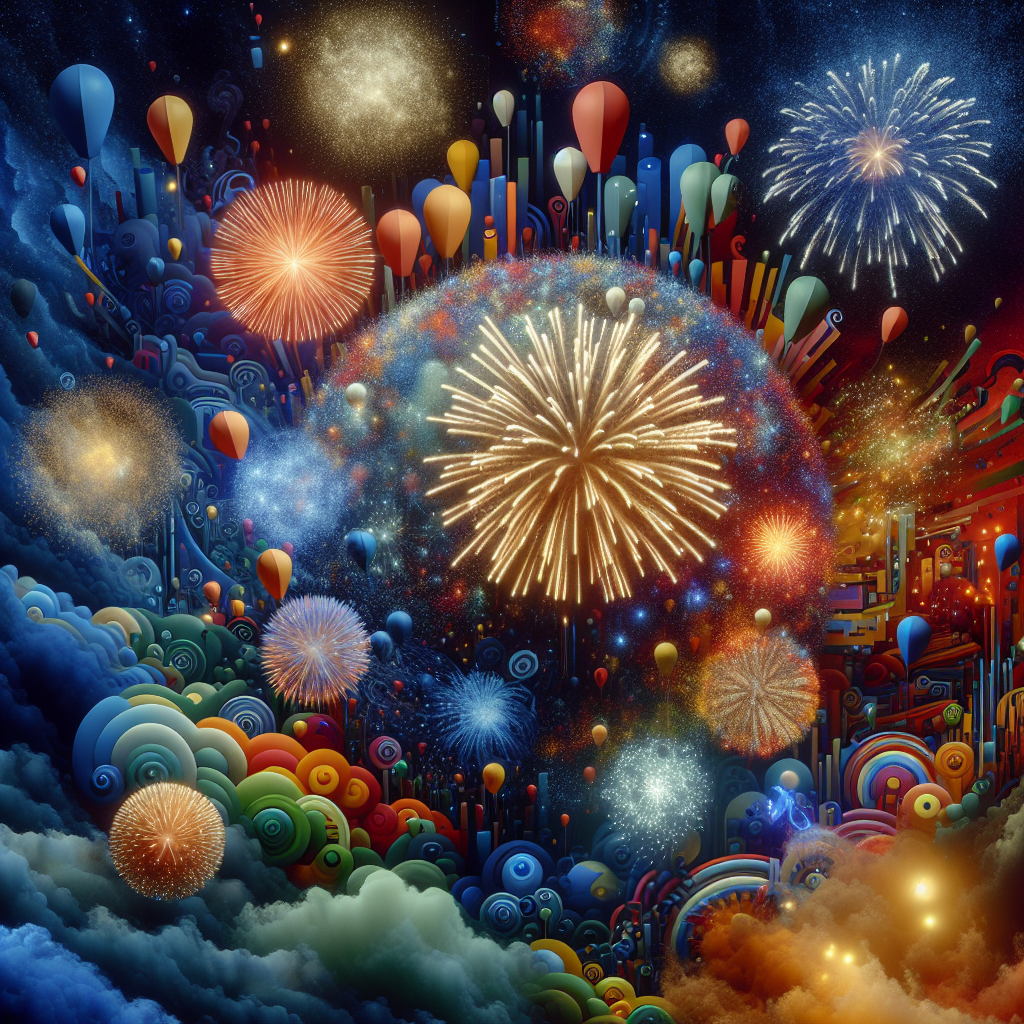
Imagine a night sky suddenly ablaze with vibrant colors, each explosion echoing like a heartbeat across the city. This is the magic of fireworks, a spectacle that has captivated audiences for centuries. Fireworks, originating in China over a thousand years ago, have become a global phenomenon, used to celebrate everything from New Year's Eve to national holidays like the Fourth of July in the United States. But as we light up the skies, it's crucial to consider the environmental and cultural implications of these dazzling displays.
Fireworks are a staple of celebrations worldwide, but they come with a hefty environmental price tag. The chemicals used to create those brilliant colors and loud booms can have detrimental effects on air quality. When fireworks explode, they release a cocktail of pollutants, including heavy metals and sulfur compounds, into the atmosphere. These pollutants can contribute to air pollution and have been linked to respiratory issues in humans and animals alike. Additionally, the debris left behind can litter landscapes and waterways, posing a threat to wildlife.
On the other hand, fireworks hold significant cultural value. They are a symbol of joy and celebration, bringing communities together in shared experiences. For many, the tradition of watching fireworks is deeply ingrained in cultural and familial rituals. The visual spectacle can evoke a sense of wonder and nostalgia, creating memories that last a lifetime. This cultural significance makes it challenging to advocate for a complete ban on fireworks, despite their environmental impact.
Some argue that the solution lies in finding a balance between tradition and sustainability. Innovations in technology have led to the development of more environmentally friendly fireworks, which use fewer harmful chemicals and produce less smoke. Additionally, some cities have started to explore alternatives, such as drone light shows, which can offer a similar visual experience without the environmental drawbacks. These alternatives, however, can be costly and may not yet capture the same emotional resonance as traditional fireworks.
The debate over fireworks also touches on issues of accessibility and inclusivity. For individuals with sensory sensitivities, such as those on the autism spectrum, the loud noises and bright lights can be overwhelming and distressing. Pets and wildlife can also be adversely affected, with many animals experiencing anxiety and fear during fireworks displays. This raises questions about how we can make celebrations more inclusive and considerate of all community members.
While some advocate for a complete ban on fireworks, others believe that education and regulation are key. By raising awareness about the environmental and health impacts of fireworks, communities can make more informed decisions about their use. Stricter regulations on the types of fireworks allowed and the times they can be used may help mitigate some of the negative effects. Encouraging the use of cleaner, quieter alternatives can also be part of the solution.
Ultimately, the conversation around fireworks is a microcosm of larger societal debates about tradition, progress, and sustainability. It challenges us to think critically about how we celebrate and what we value. As we look to the future, finding ways to honor cultural traditions while protecting our planet and its inhabitants will be essential. The night sky may continue to light up with bursts of color, but perhaps with a more mindful approach, we can ensure that these celebrations are as sustainable as they are spectacular.