
The Enigmatic City of Bakkah: A Journey Through Time
Bakkah, an ancient name for the city now known as Mecca, is a place steeped in history and mystery. Located in the Hejaz region of present-day Saudi Arabia, Bakkah has been a focal point for religious and cultural significance for centuries. It is believed to be the birthplace of the Prophet Muhammad and the site of the Kaaba, the most sacred structure in Islam. The city's origins date back to antiquity, with references found in various historical texts. Bakkah's transformation into Mecca marks a fascinating journey through time, reflecting the evolution of religious practices and the enduring power of faith.
The name Bakkah is mentioned in the Quran, adding to its spiritual significance. Scholars and historians have debated the etymology and meaning of the name, with some suggesting it refers to the valley where the city is located, while others believe it signifies a place of gathering. This ambiguity only adds to the allure of Bakkah, inviting curiosity and exploration. The city's ancient roots are intertwined with the story of Abraham and his son Ishmael, who are said to have built the Kaaba as a house of worship dedicated to the one true God.
For Muslims around the world, Mecca is the ultimate pilgrimage destination. The annual Hajj pilgrimage draws millions of believers to the city, fulfilling one of the Five Pillars of Islam. This journey is not just a physical one but a spiritual quest for self-purification and connection with the divine. The transformation from Bakkah to Mecca symbolizes the city's enduring role as a center of faith and devotion. The pilgrimage is a testament to the city's historical and religious significance, as well as its ability to unite people from diverse backgrounds in a shared spiritual experience.
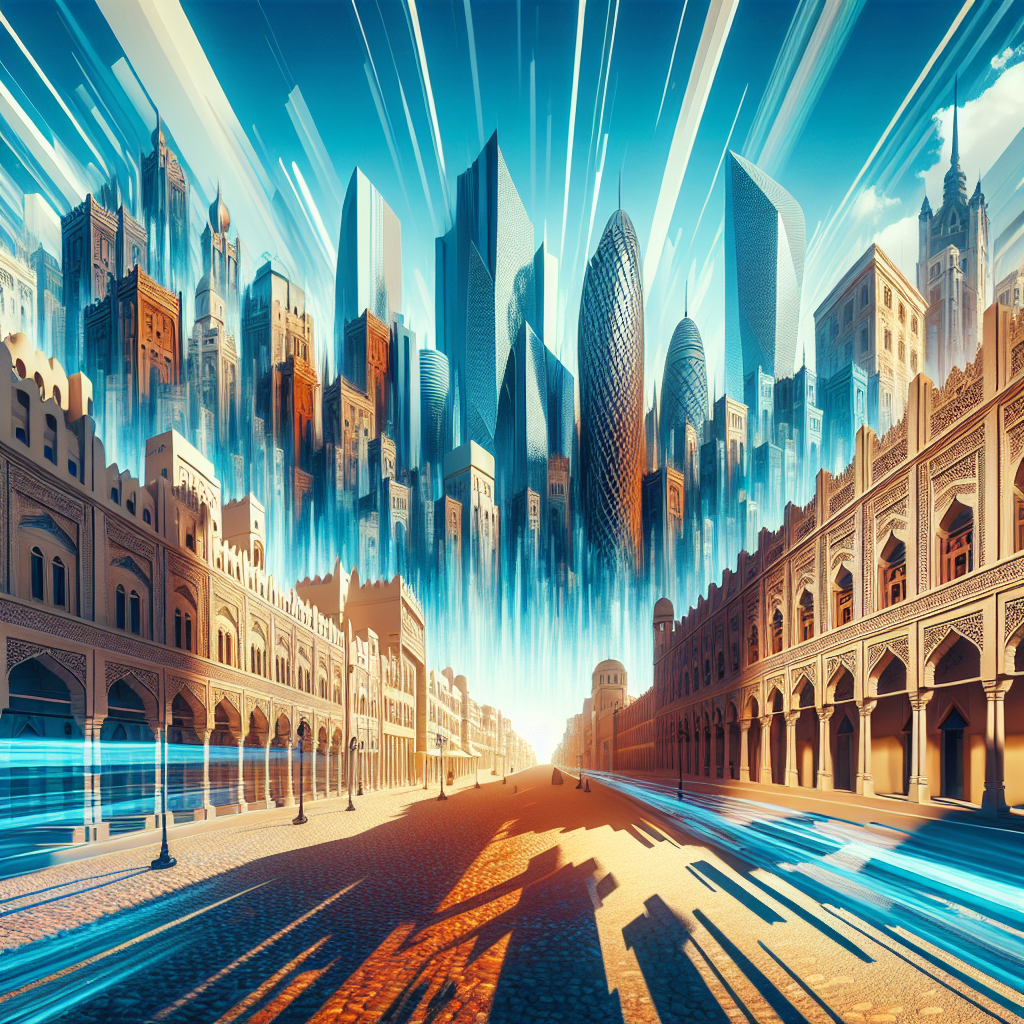
While the religious importance of Bakkah is undeniable, it is also essential to consider the city's cultural and historical context. The region has been a crossroads for trade and cultural exchange for centuries, contributing to its rich tapestry of influences. The city's strategic location along ancient trade routes facilitated the exchange of goods, ideas, and beliefs, shaping its development and legacy. This cultural melting pot has left an indelible mark on the city's identity, making it a unique blend of tradition and modernity.
Critics of the religious focus on Mecca argue that it overshadows the city's broader historical and cultural significance. They contend that the emphasis on pilgrimage and religious practices can sometimes obscure the rich tapestry of history that has shaped the city. However, it is crucial to recognize that the spiritual and cultural aspects of Bakkah are not mutually exclusive. Instead, they complement each other, offering a more comprehensive understanding of the city's legacy.
The story of Bakkah is a reminder of the power of faith and the enduring impact of history. It is a testament to the resilience of human spirit and the ability of a place to inspire devotion and unity. As we reflect on the journey from Bakkah to Mecca, we are reminded of the importance of preserving and honoring the past while embracing the present. The city's legacy is a testament to the enduring power of belief and the unifying force of shared history.